Innovative Contemporary Art
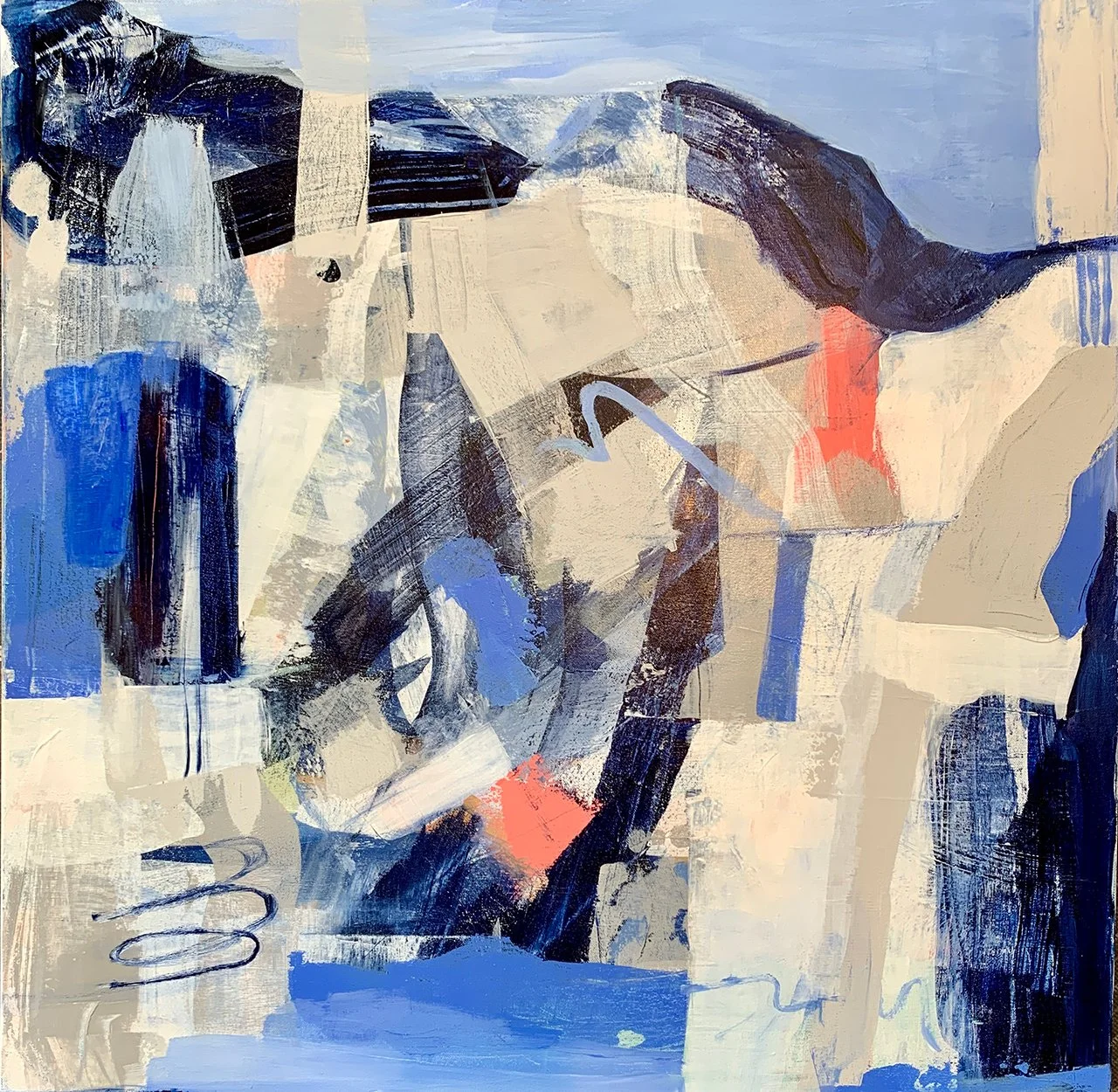
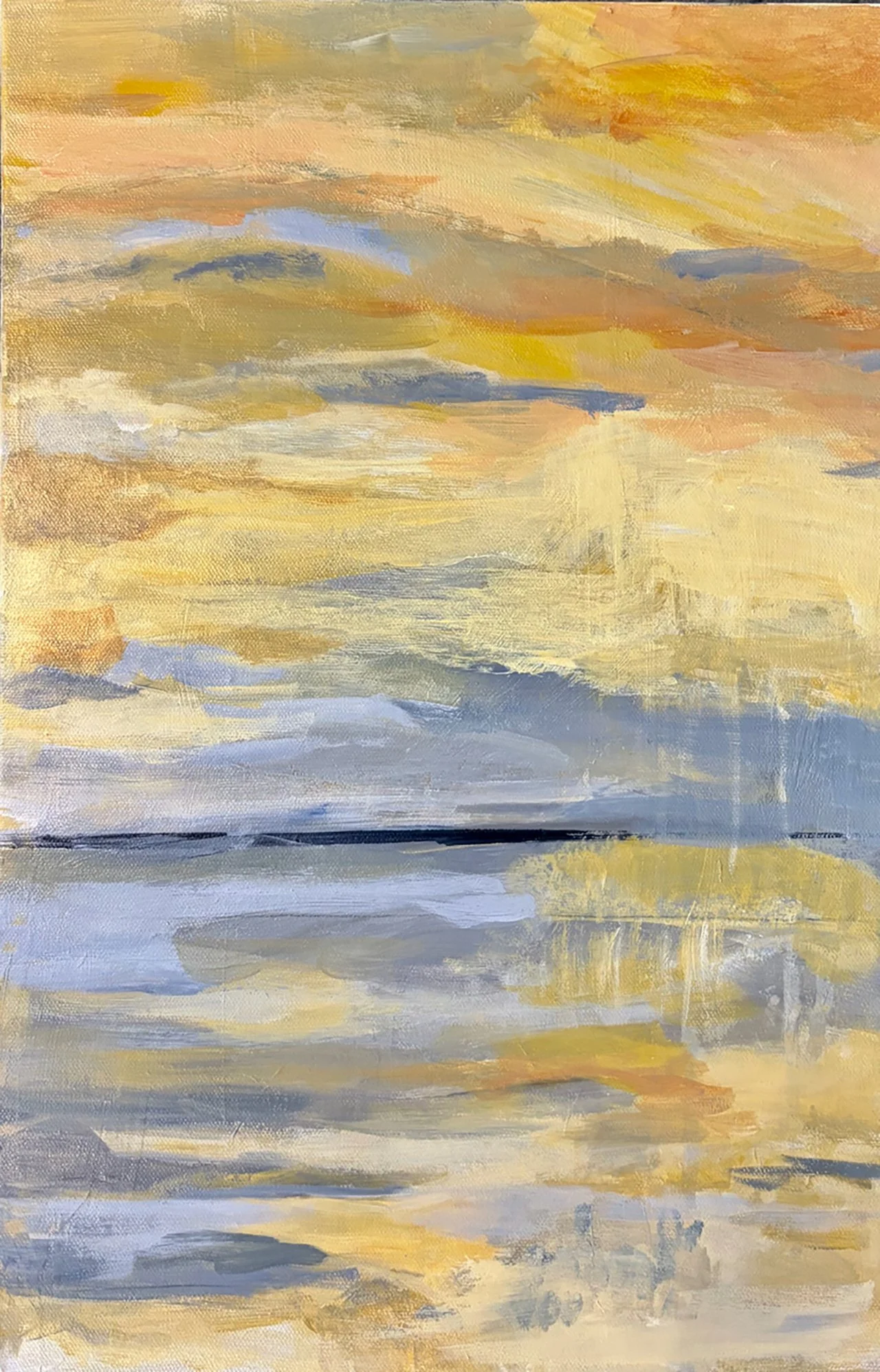
Nature is an endless source of fascination and inspiration. A hike in the woods, abstract shapes of vines and shadows, bubbles frozen in a creek, colors of autumn leaves, a feather on the ground, storm clouds gathering, reflections in a rain puddle, wide grassy fields, a bird nest balanced on a branch…a walk along the shore, bright sun on wet sand, drift wood and fossils, strong winds, crashing waves, big blue sky, an endless horizon. I think you will see elements of these in all of my work.
WEBSITE: amyarledge.com
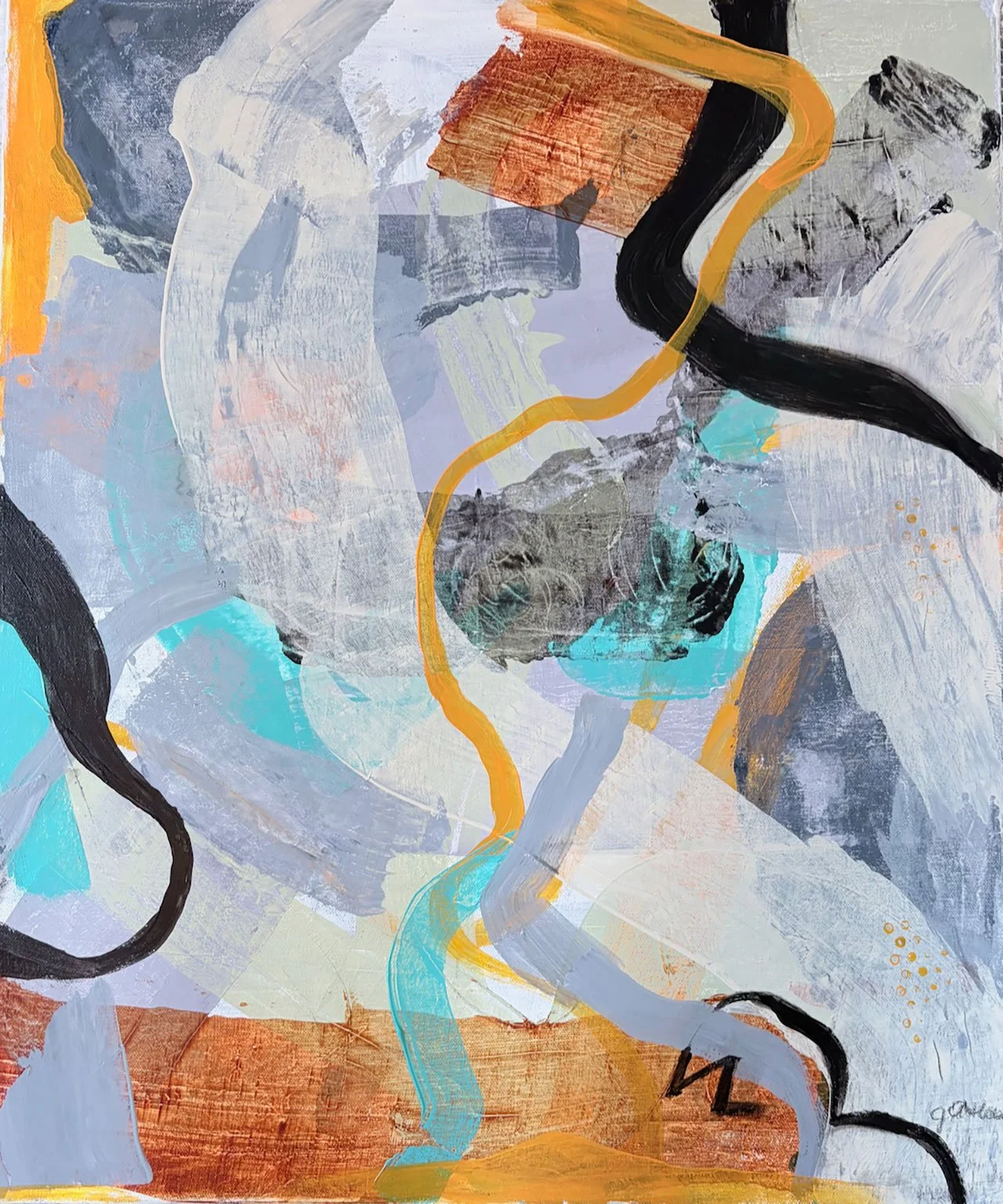
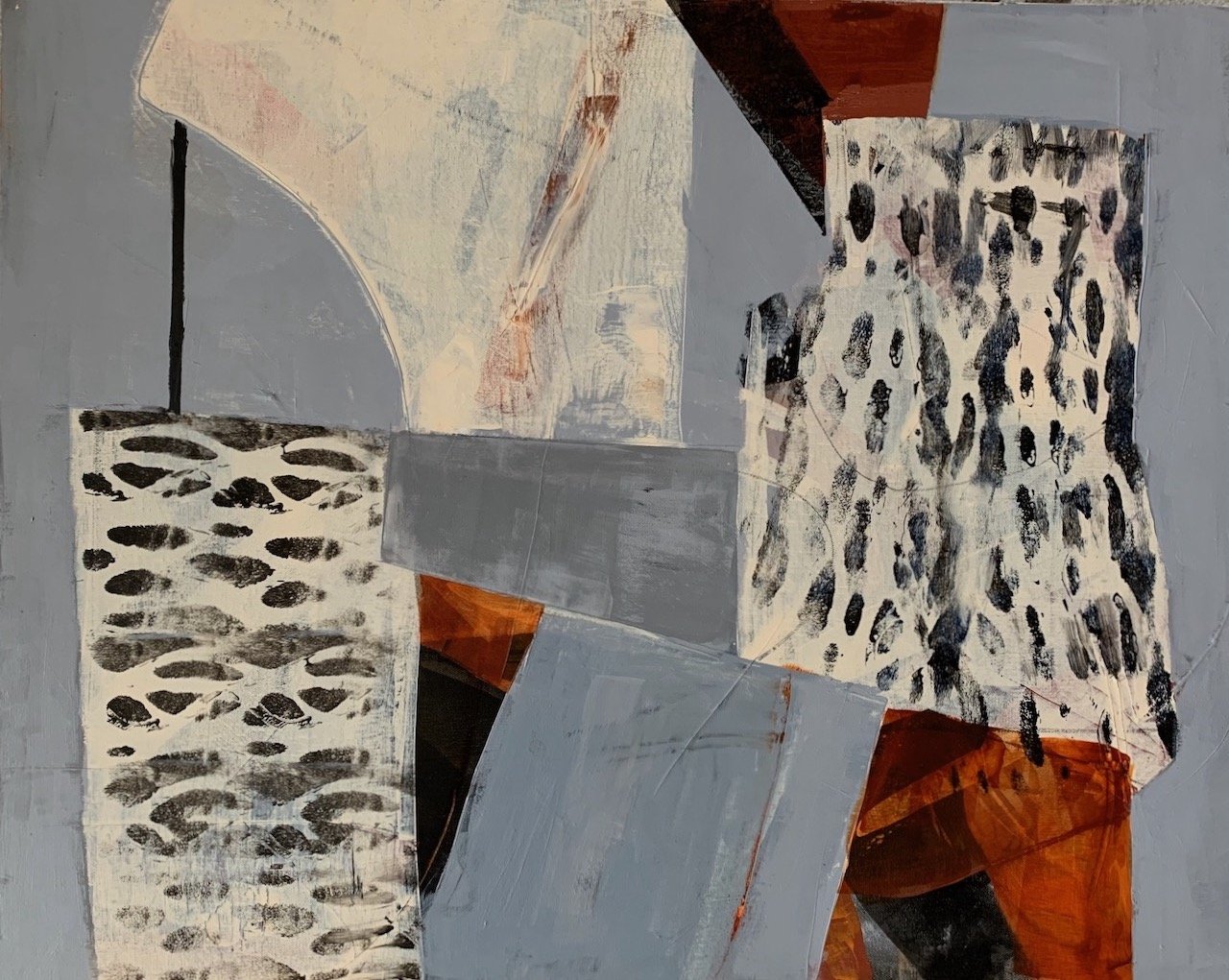
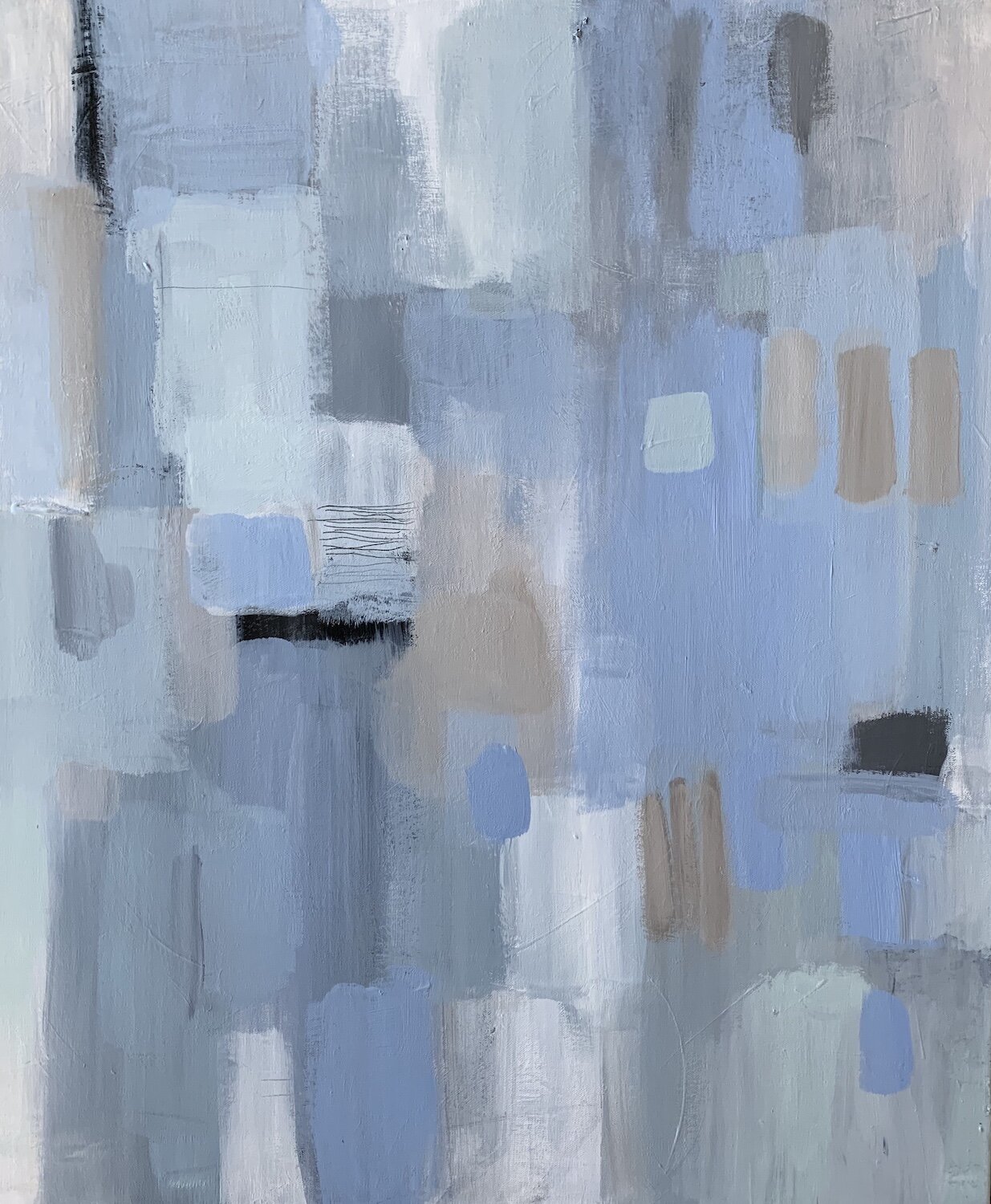
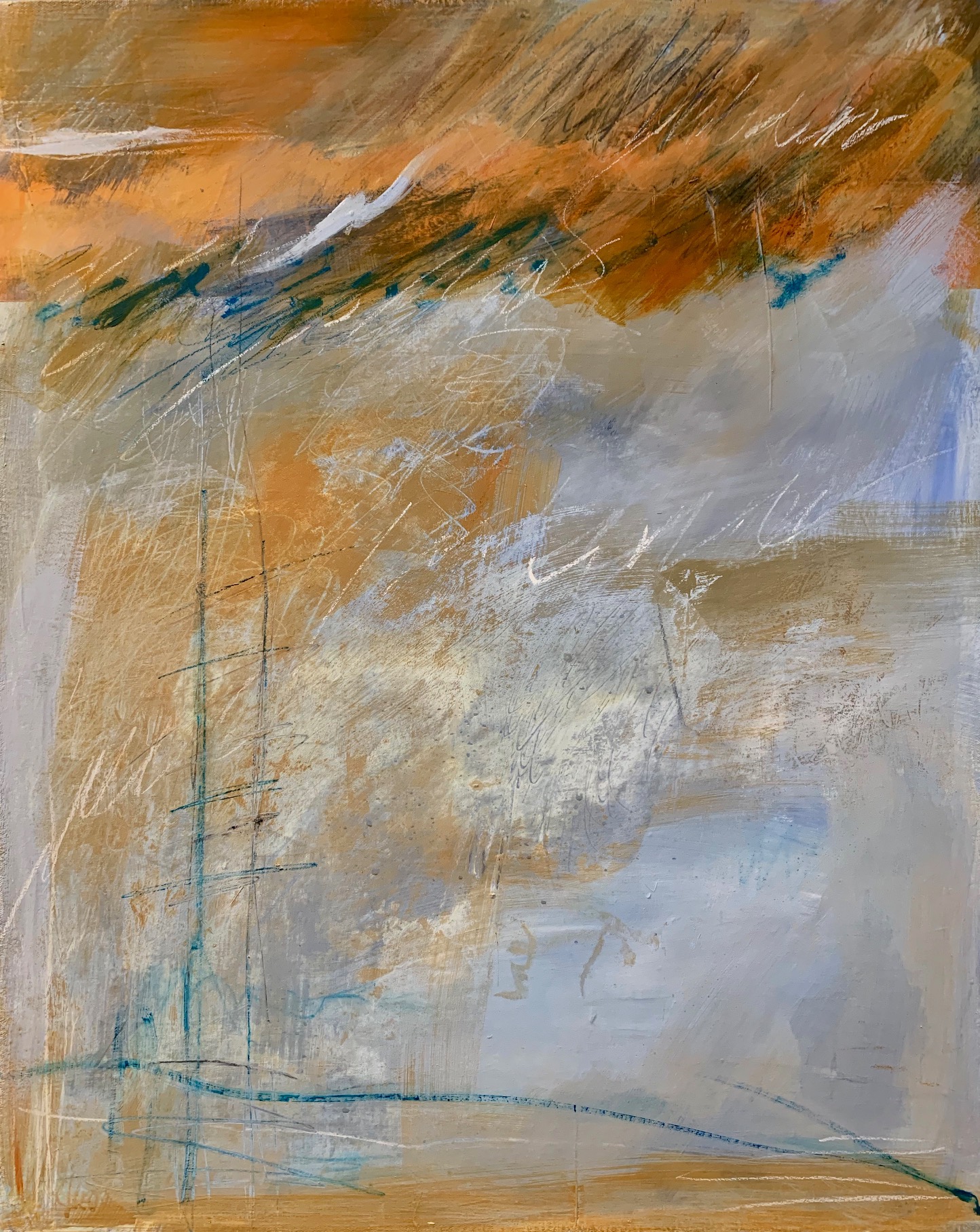
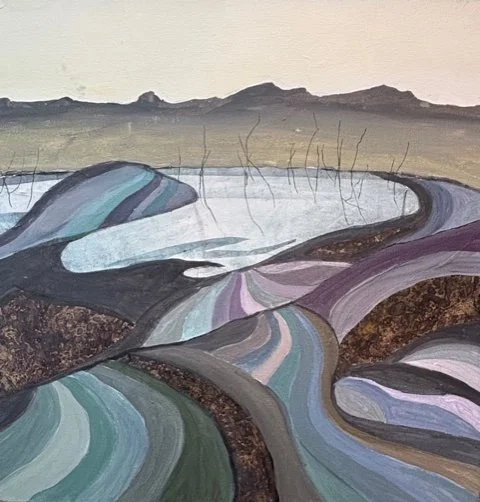
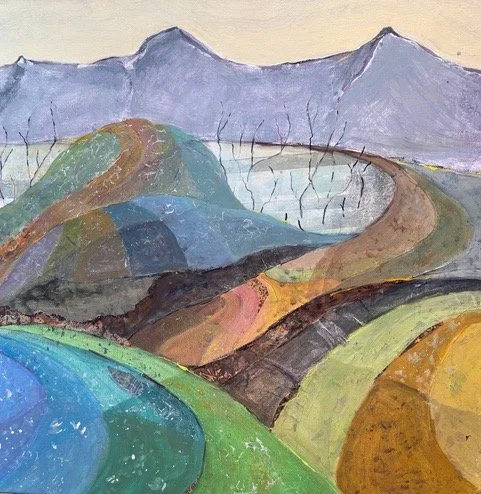
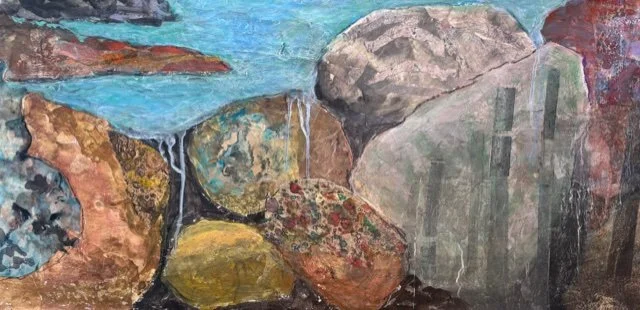
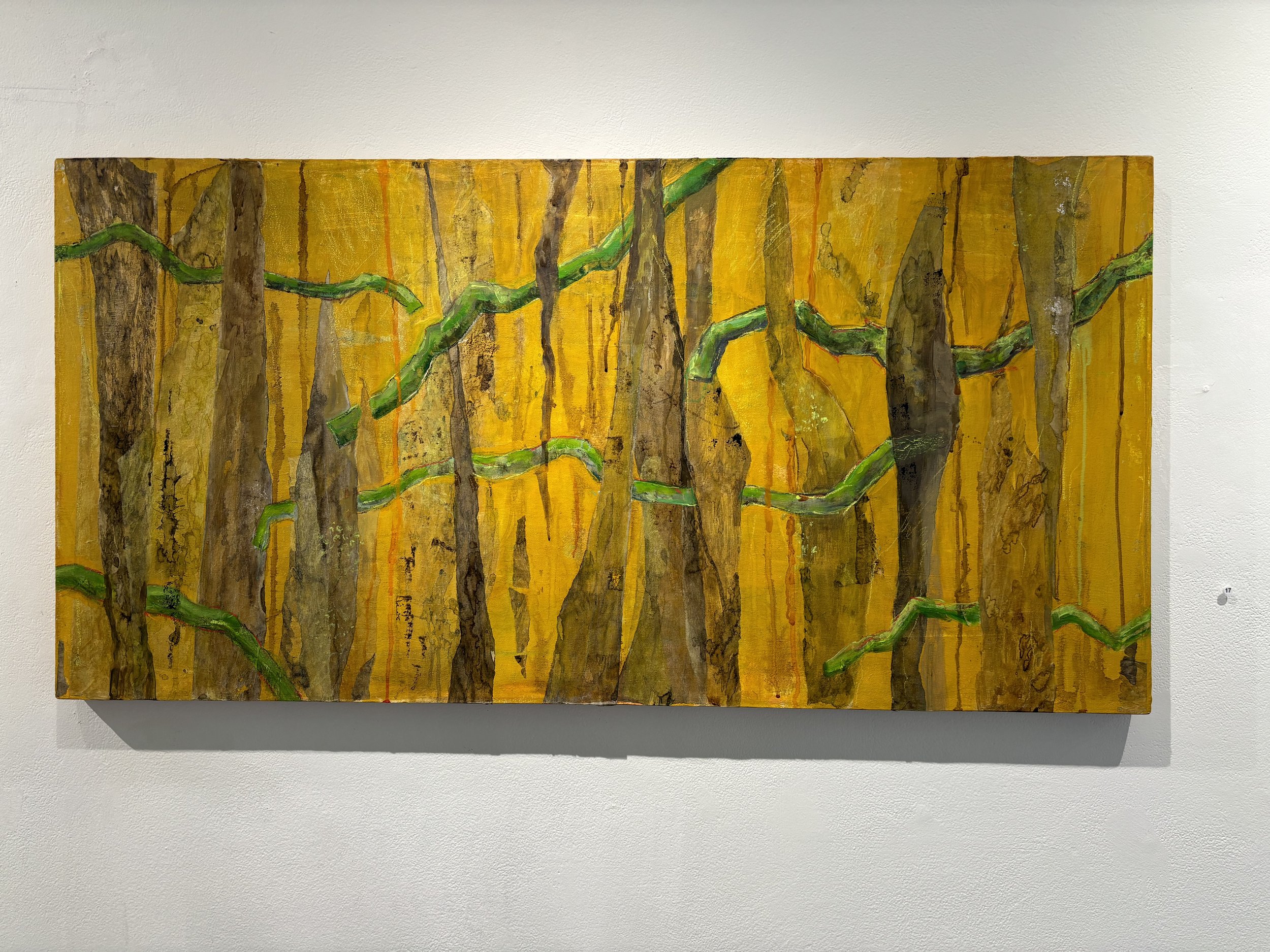
Judy Atlas is an abstract artist. Her paintings, monotypes and collages are expressions of the patterns, shapes and movements found in nature and everyday life. Her work relates to places and landscapes, real and imagined, external and internal.
Atlas taught watercolor painting, collage, and abstract painting courses at the Creative Arts Workshop in New Haven for 22 years, retiring in 2020. She has been a member of City Gallery since 2008. Her work has been featured in numerous solo, group, and juried shows throughout New England.
#judyatlasart on Instagram
Acrylic on Canvas
24 x 20
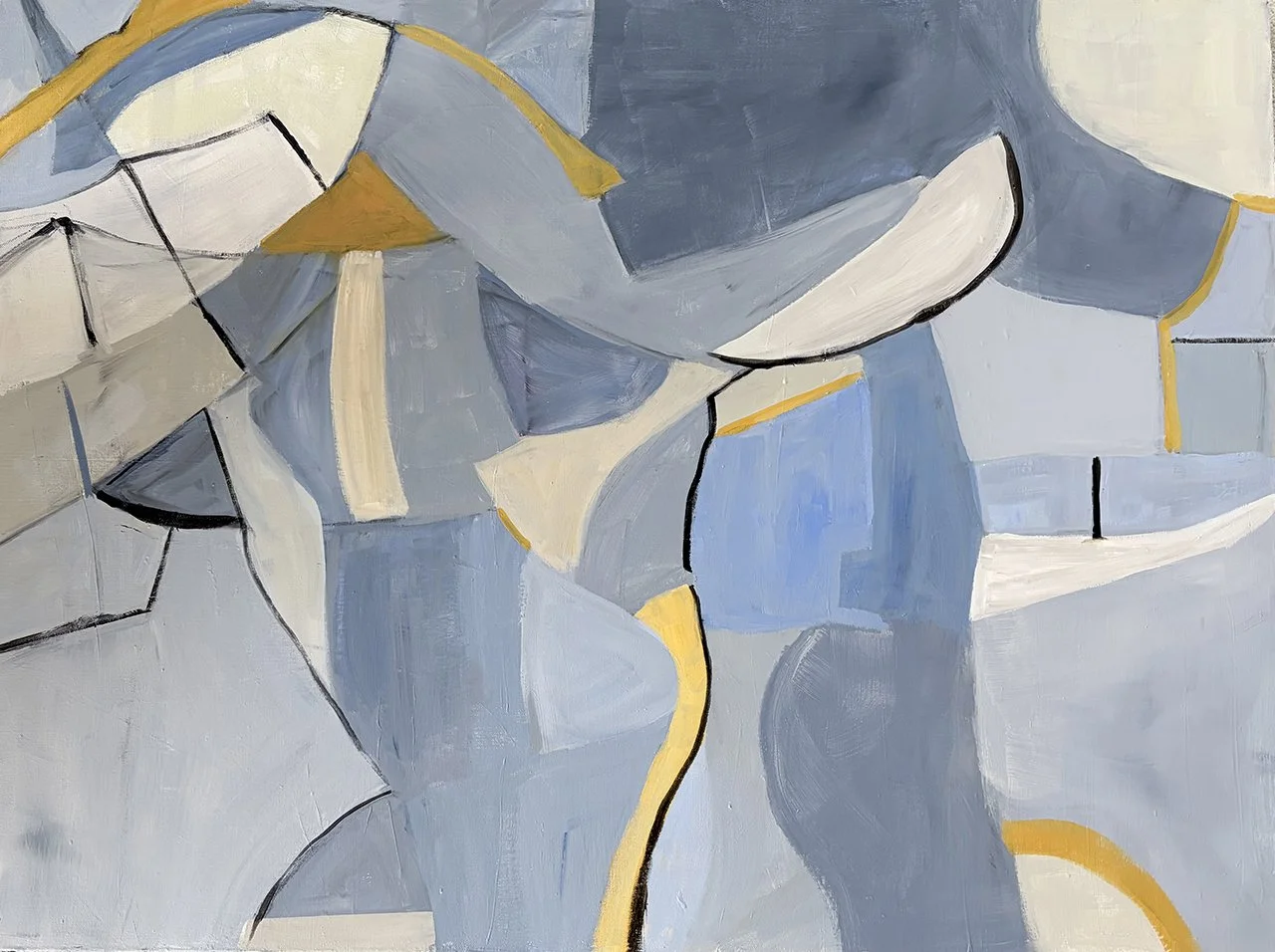
acrylic on canvas
40” x 30”
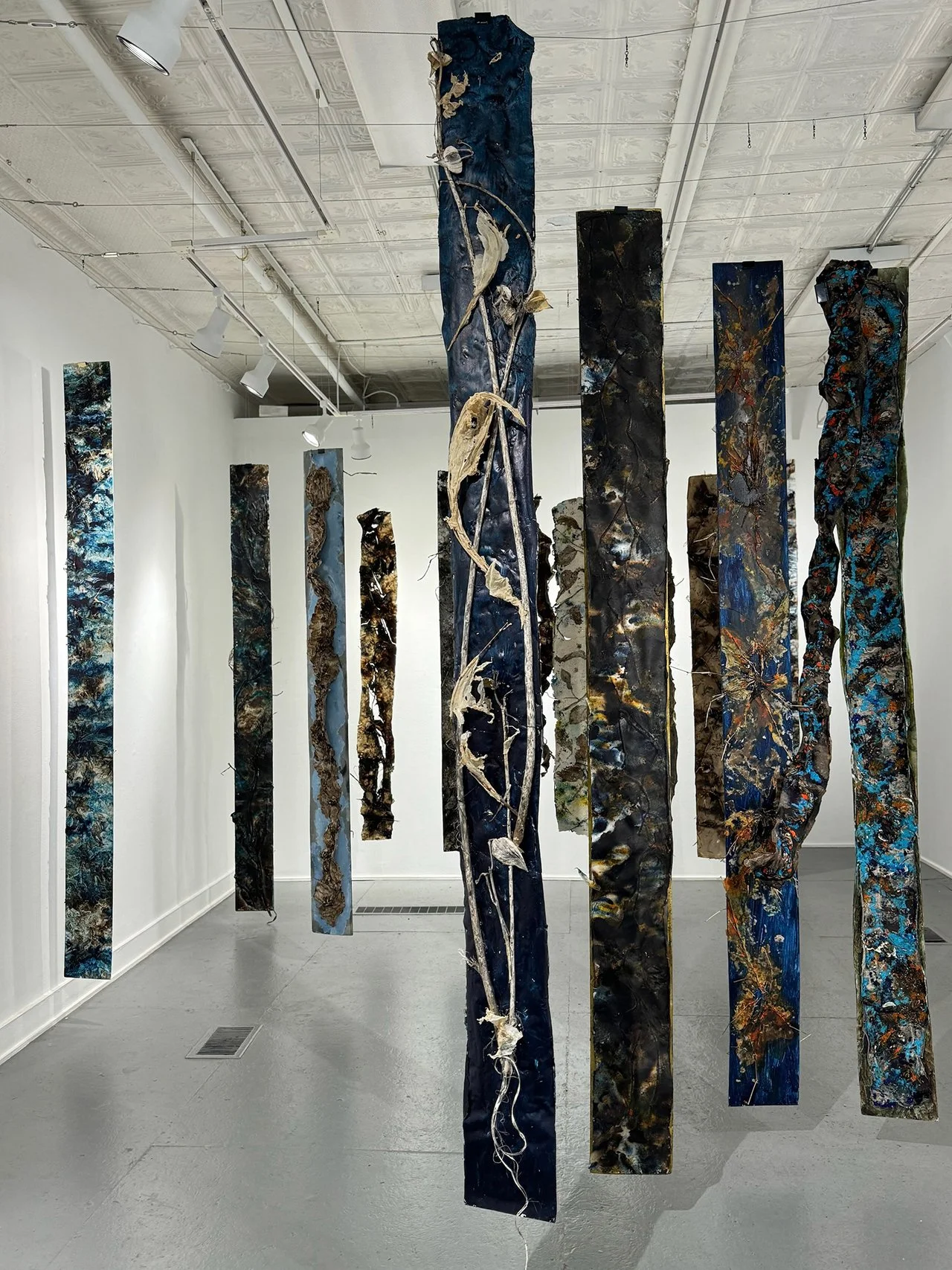
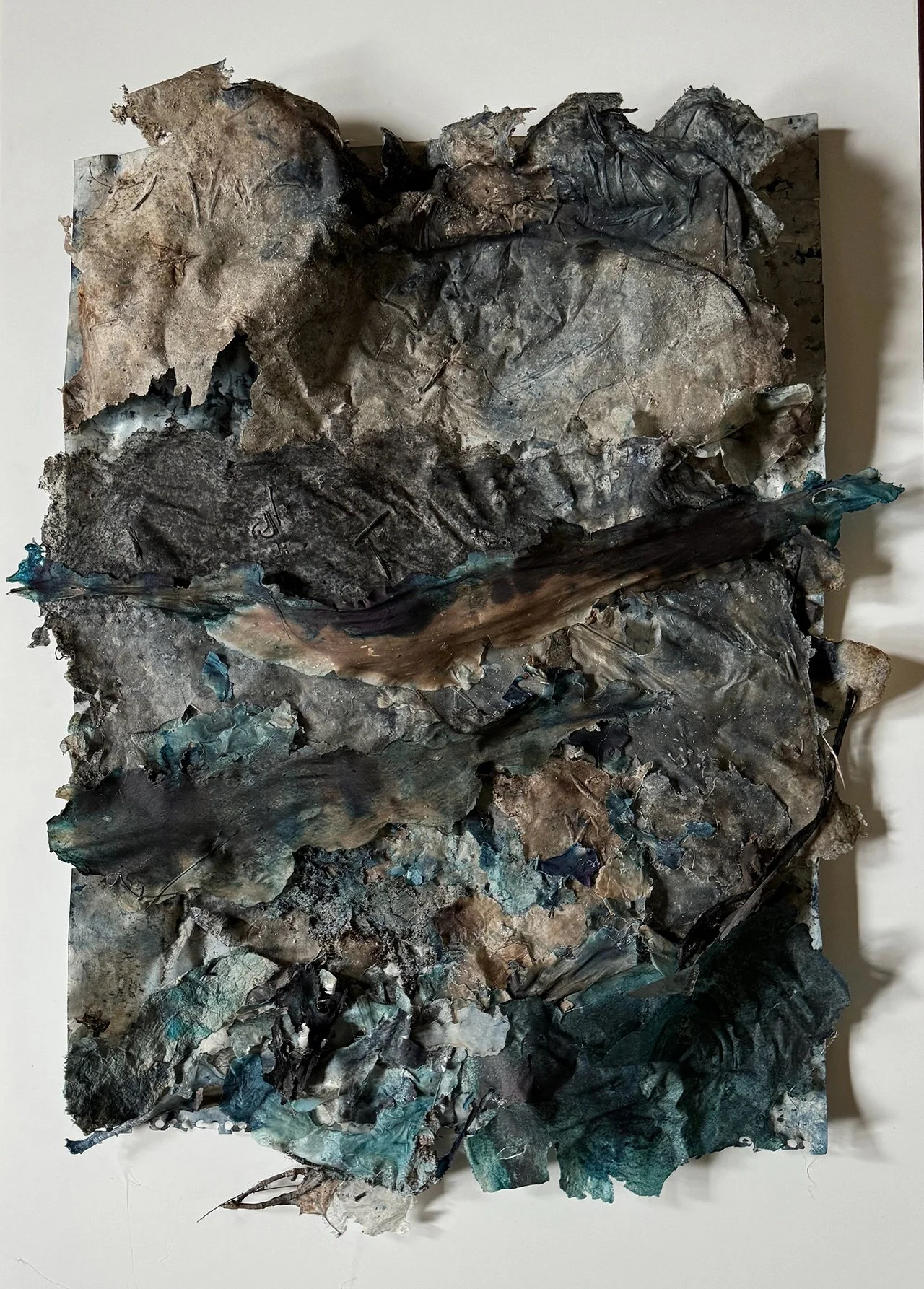
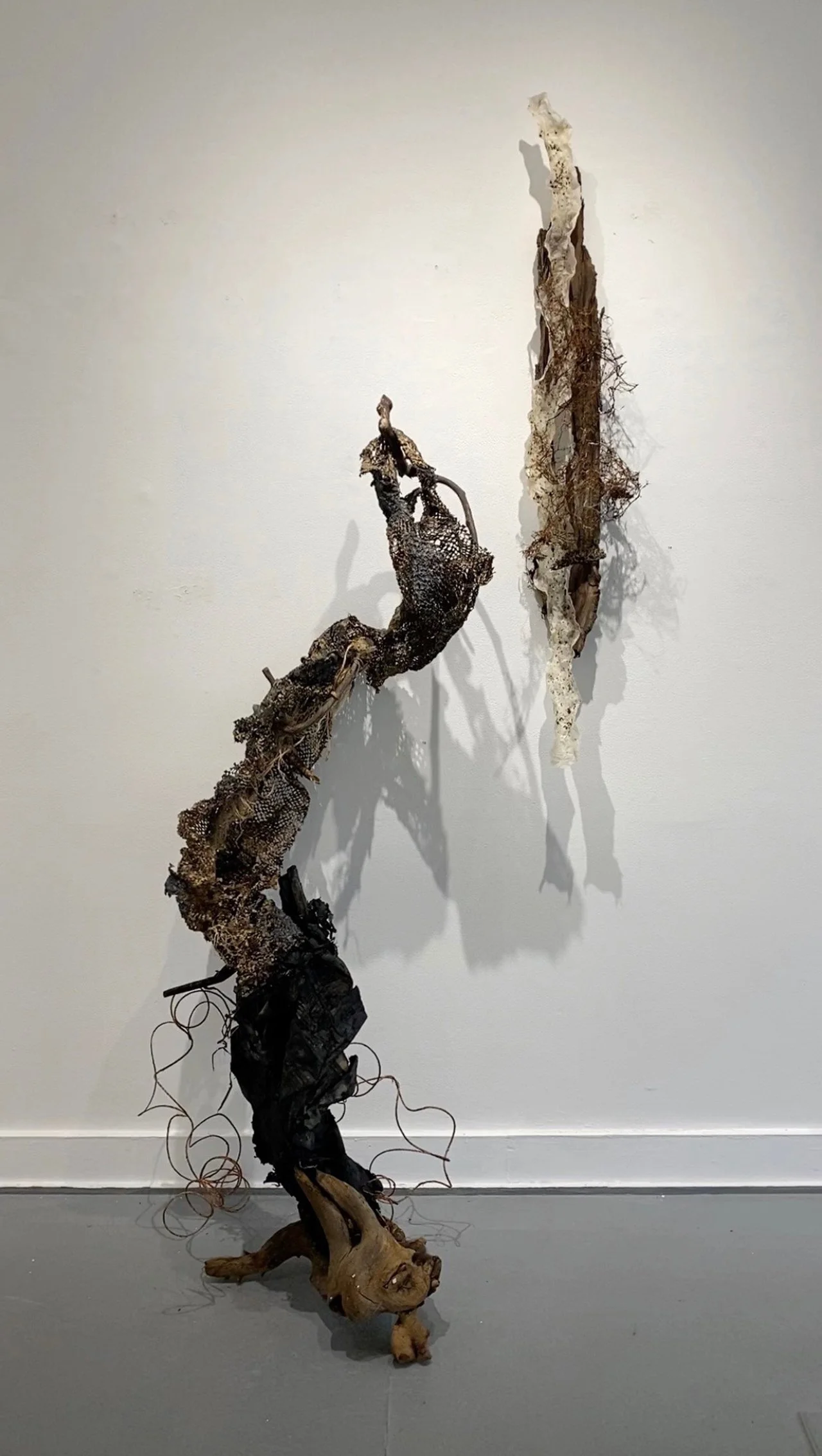
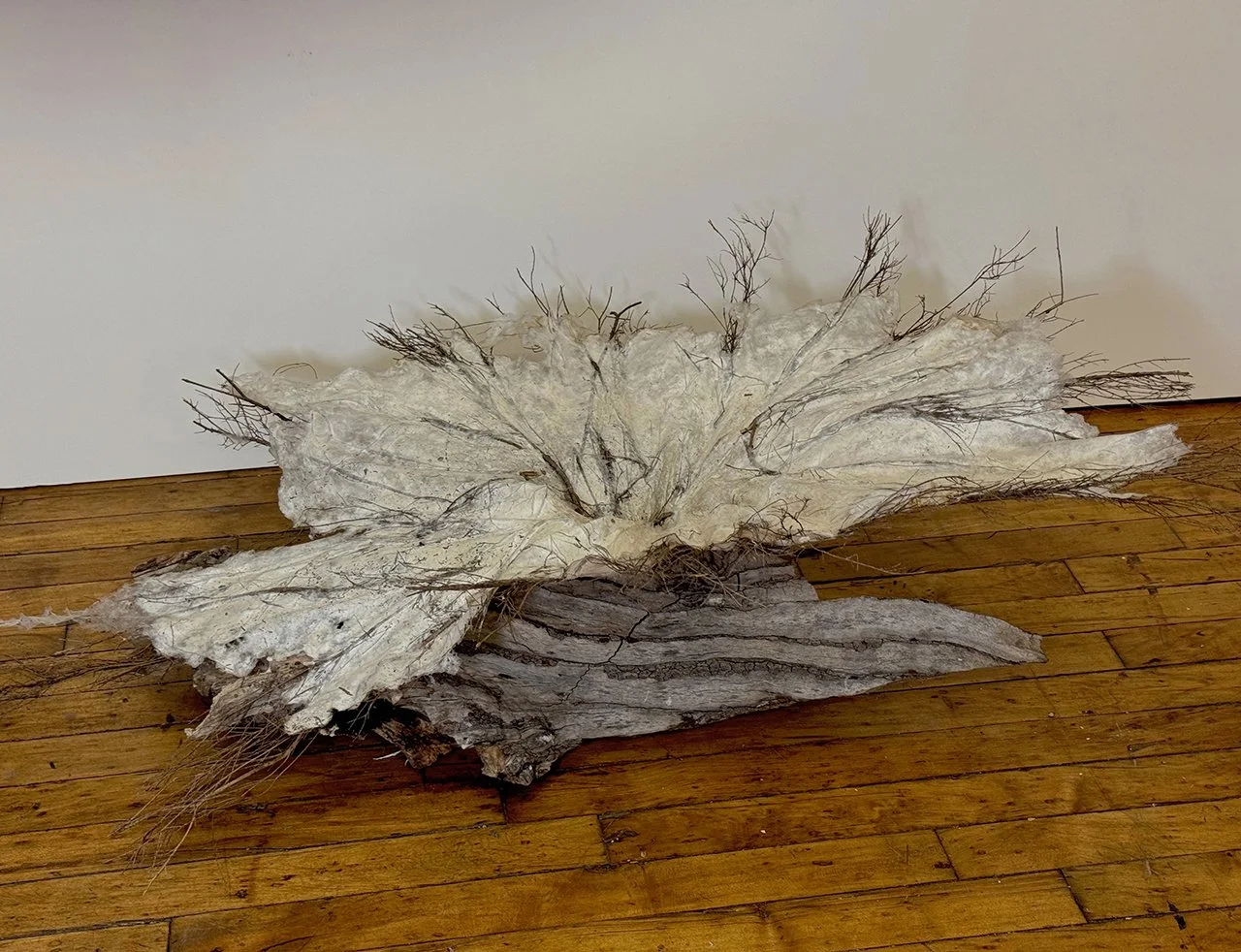
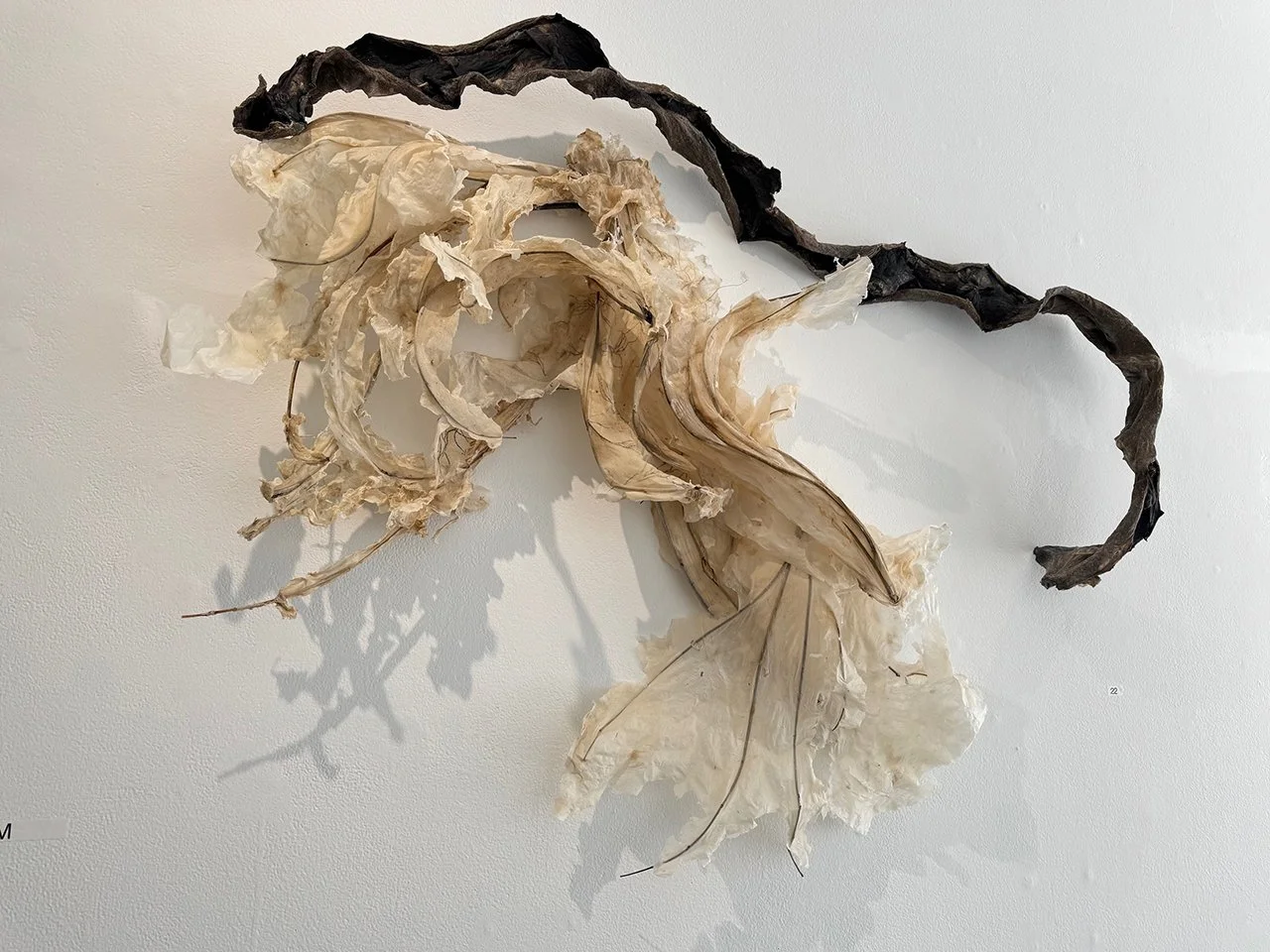
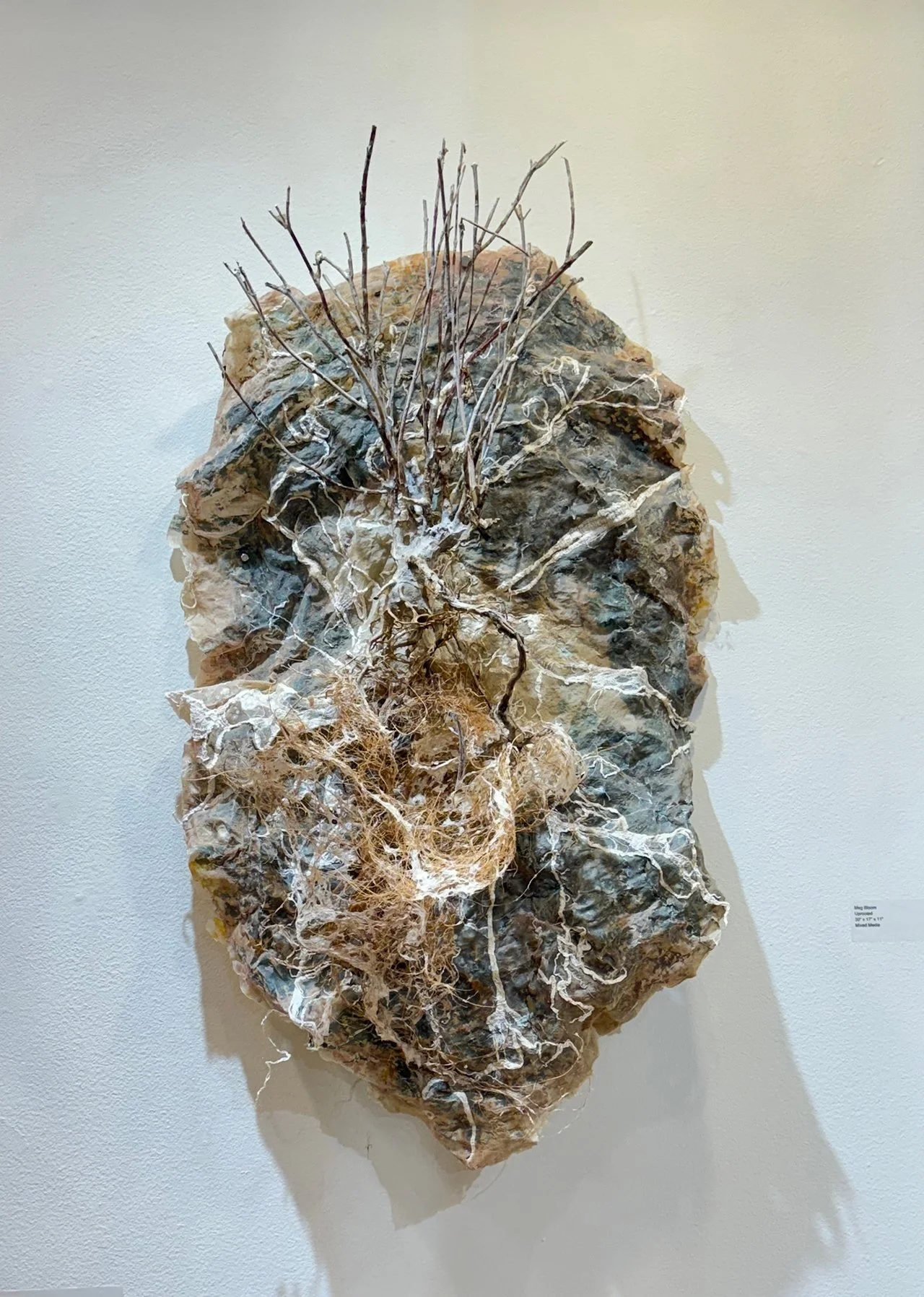
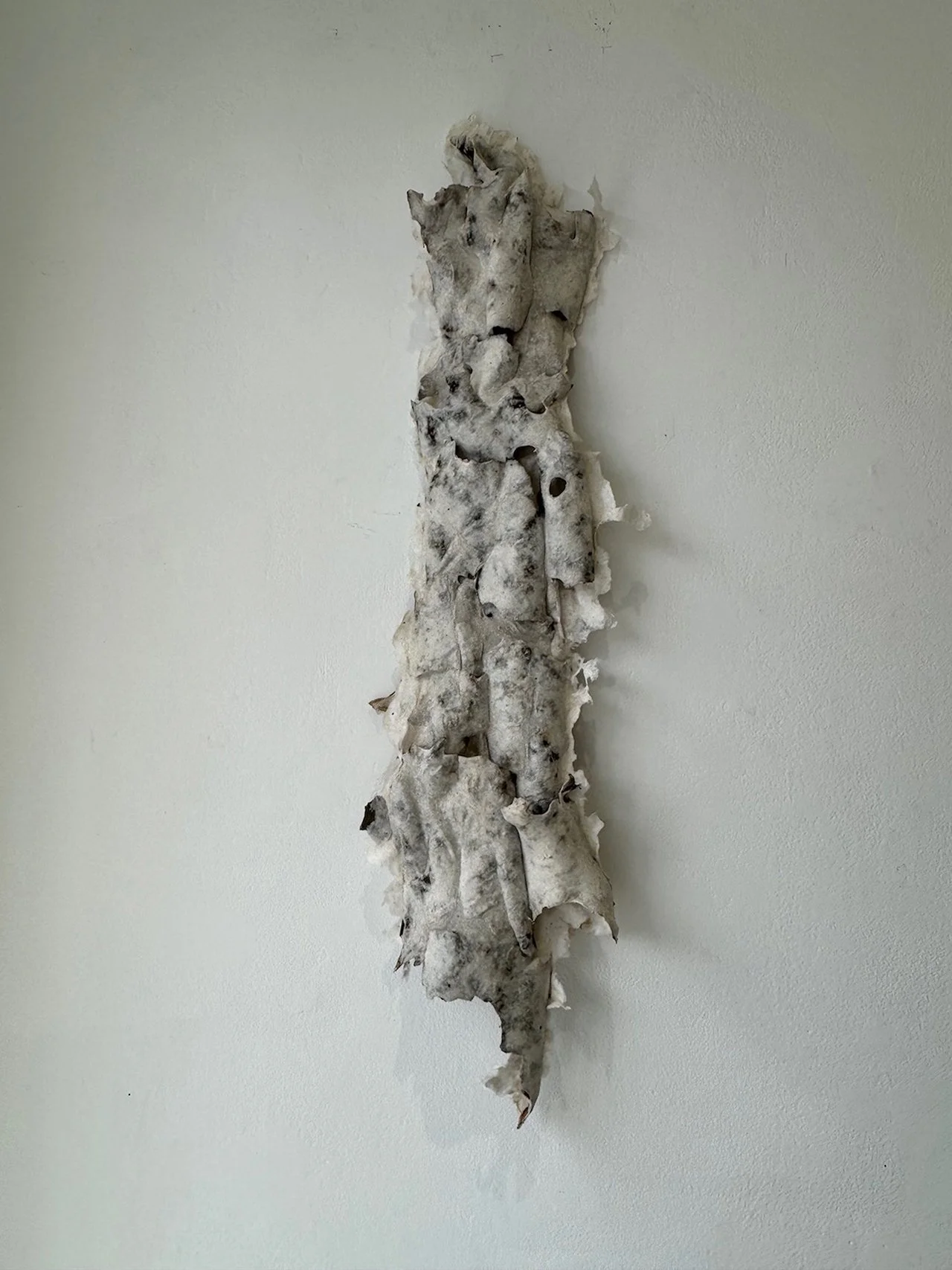
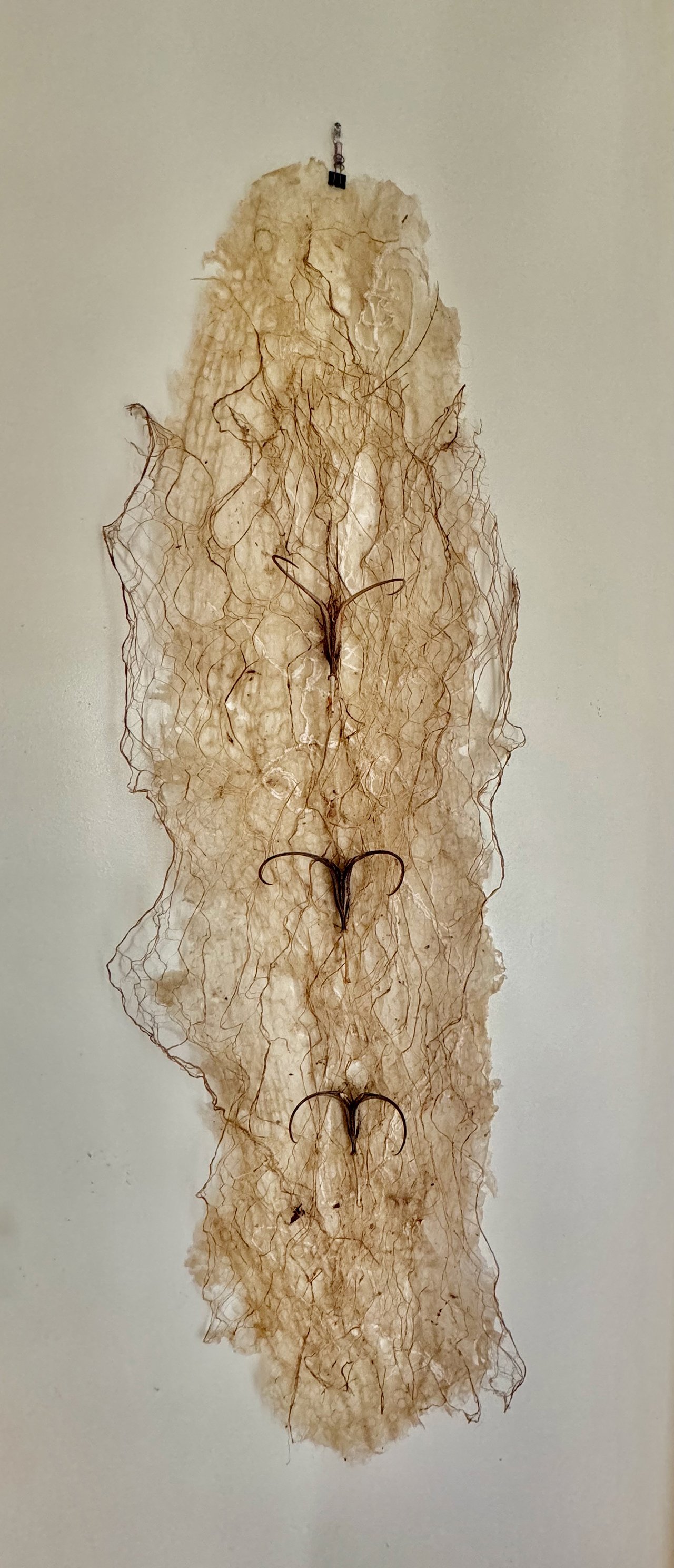
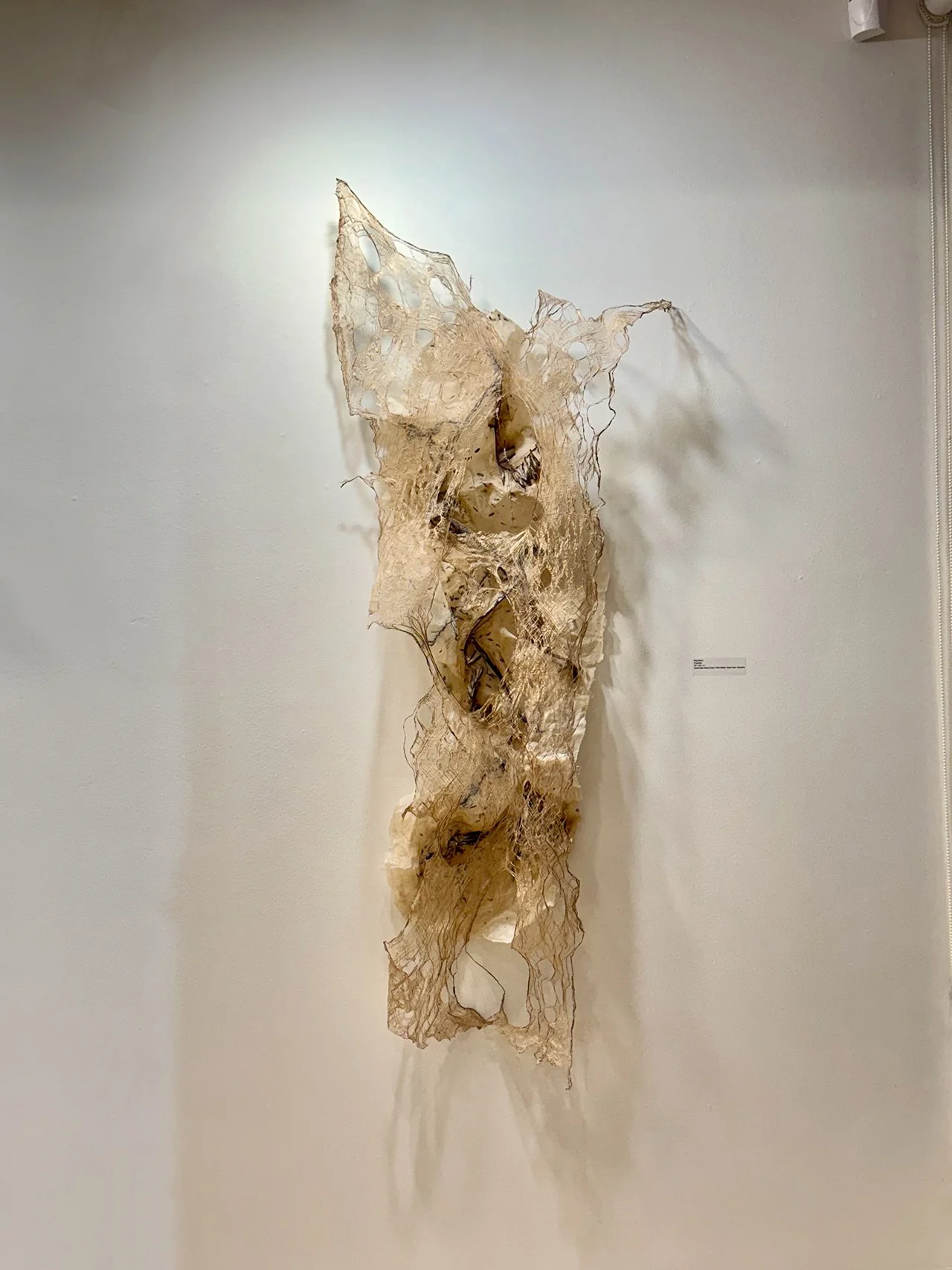
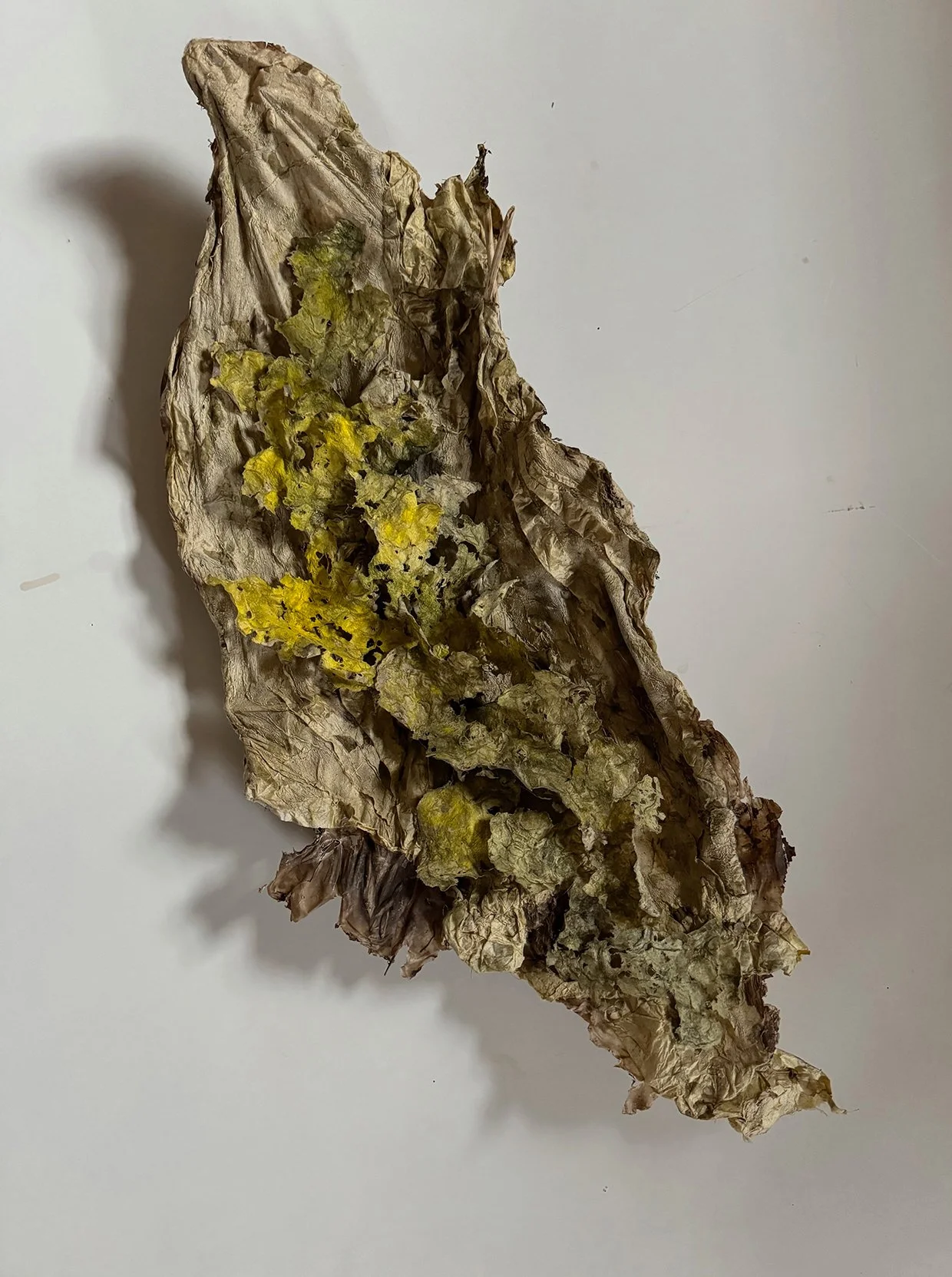
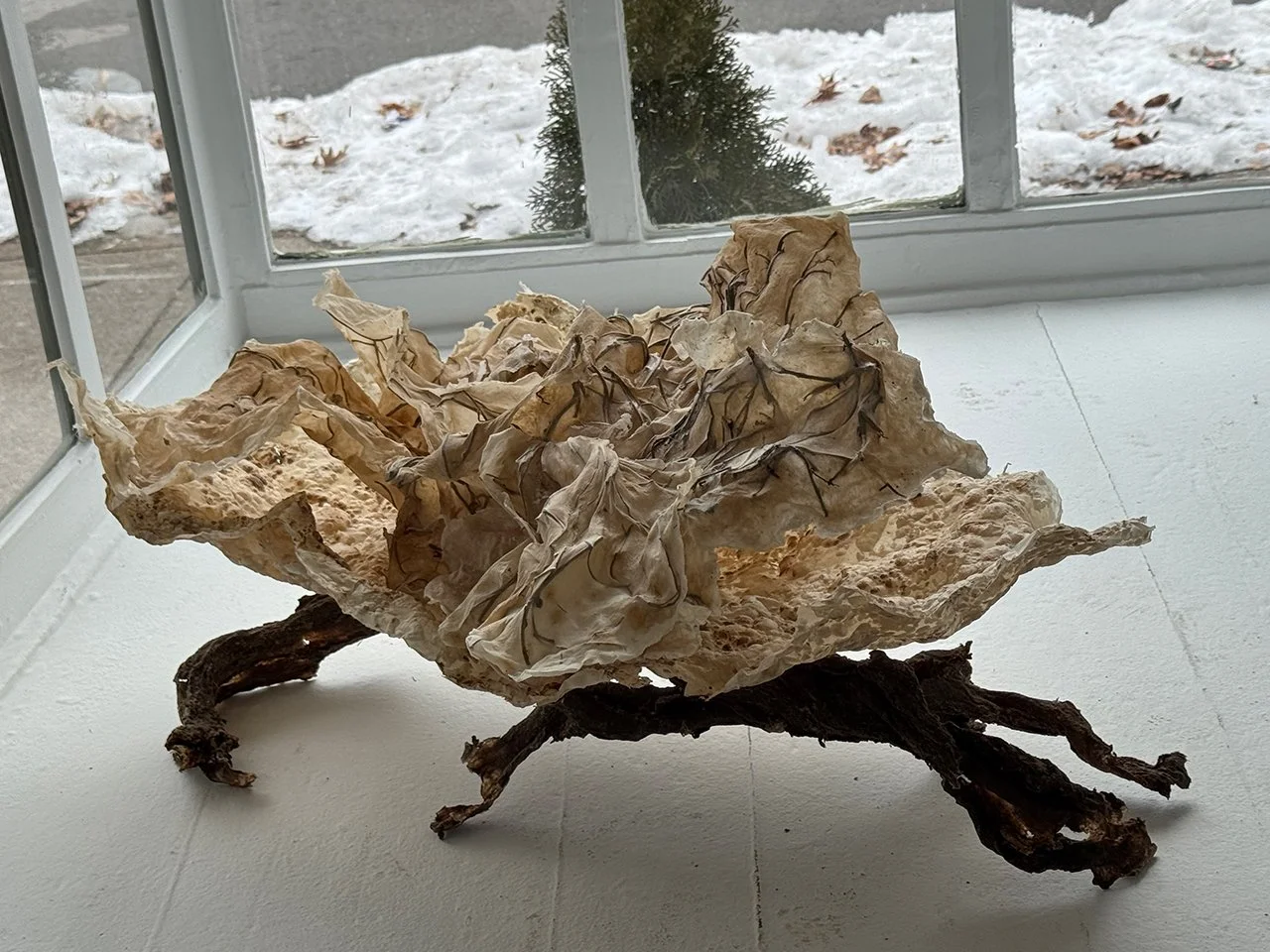
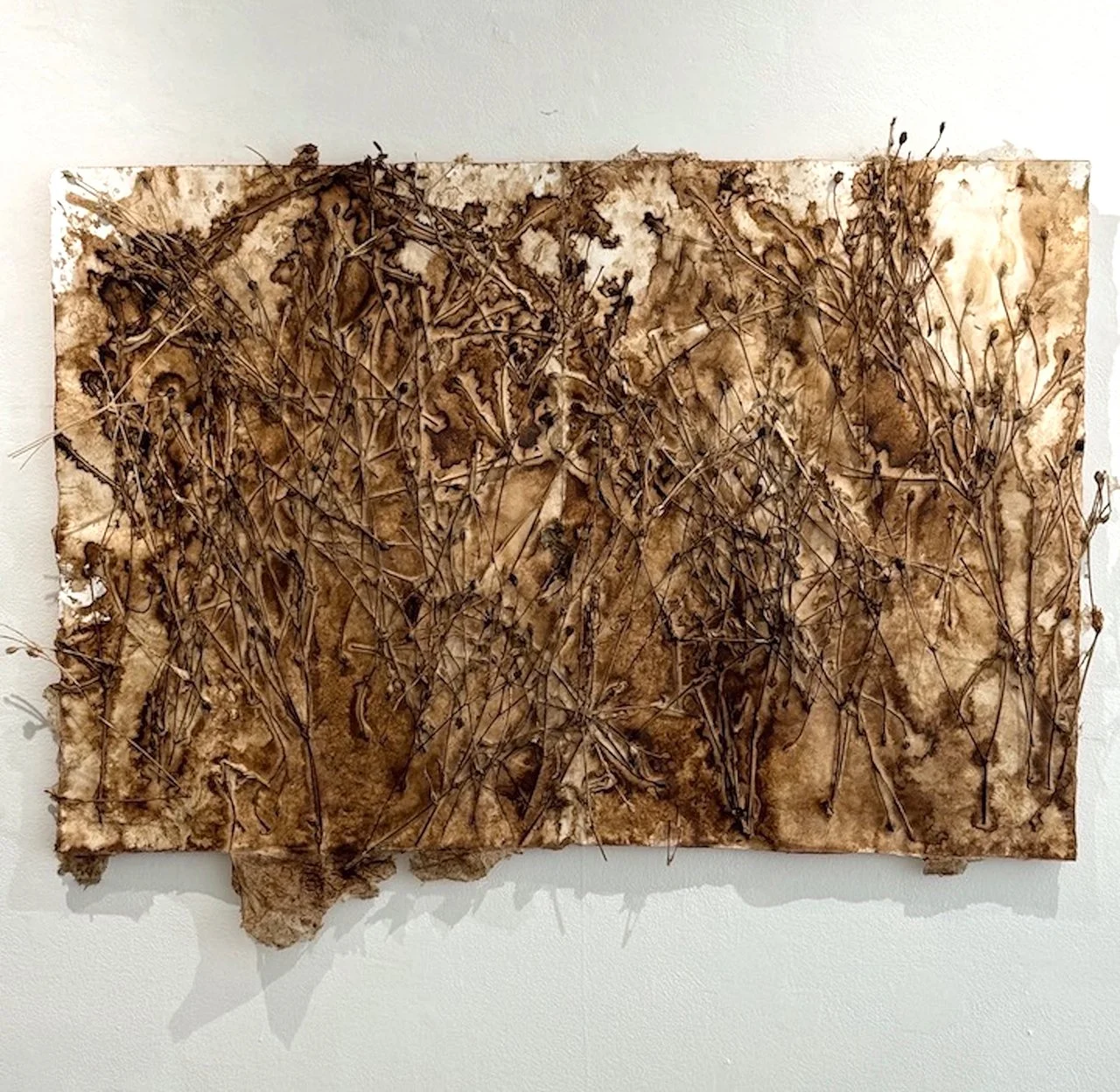
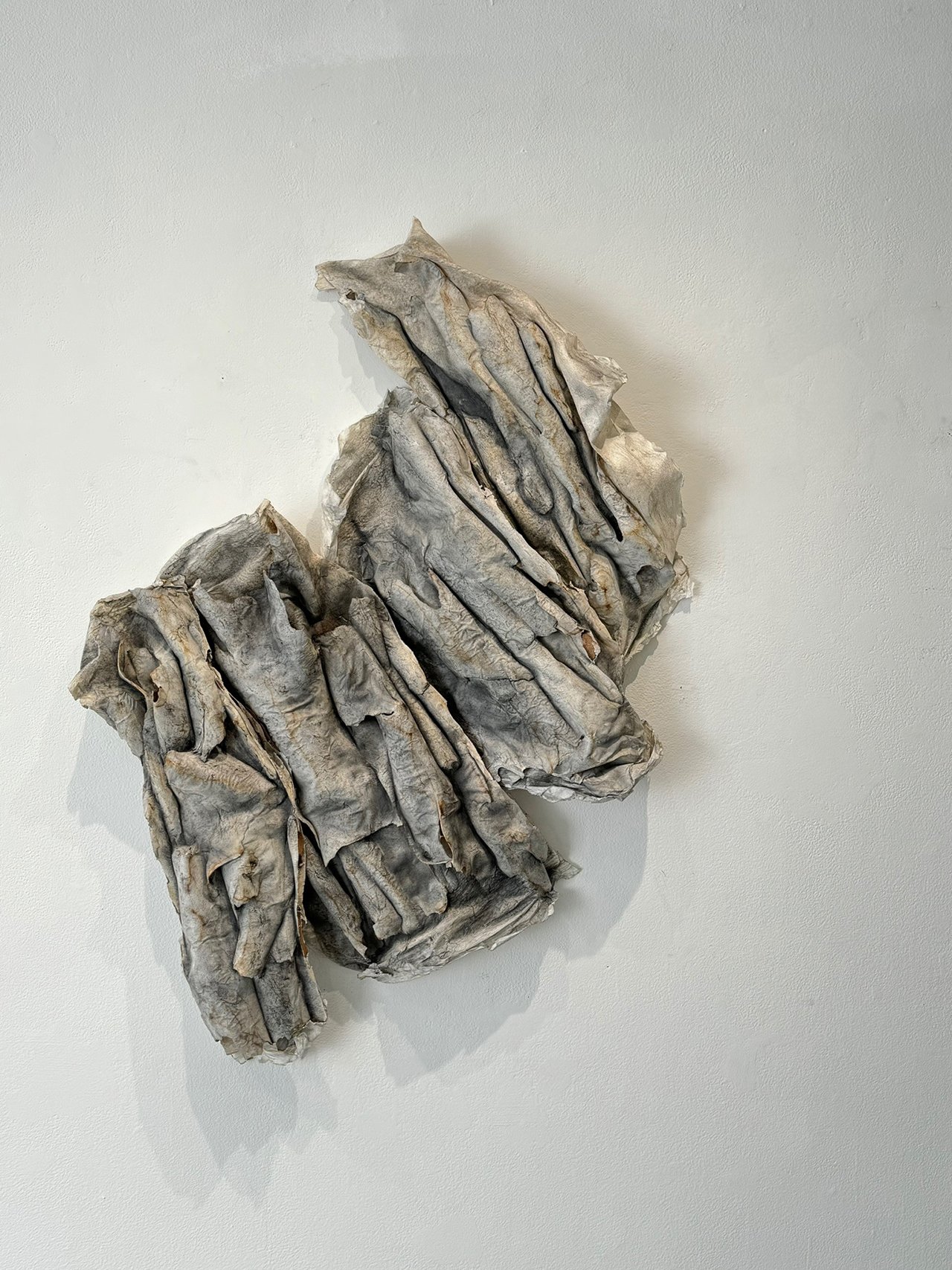
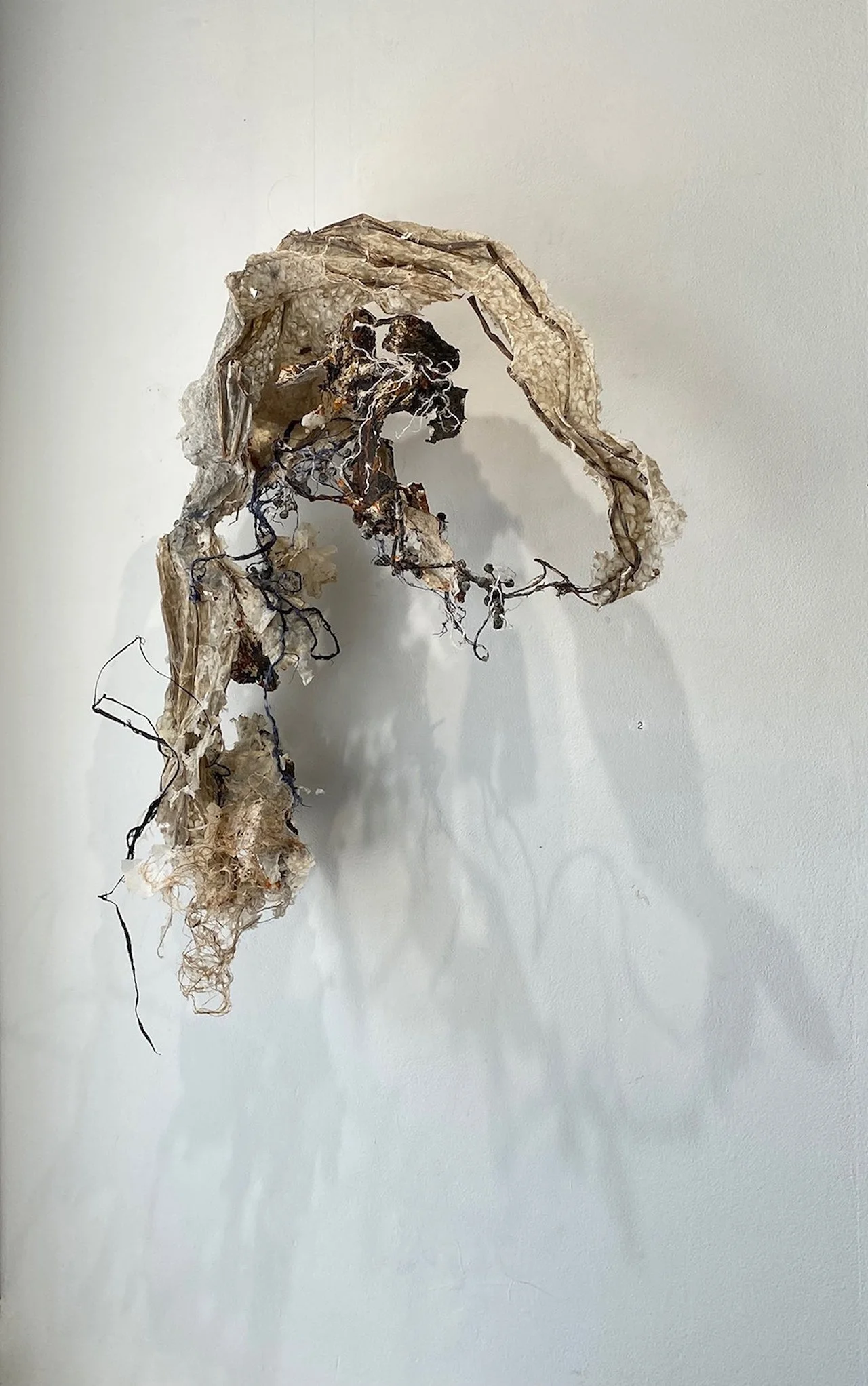
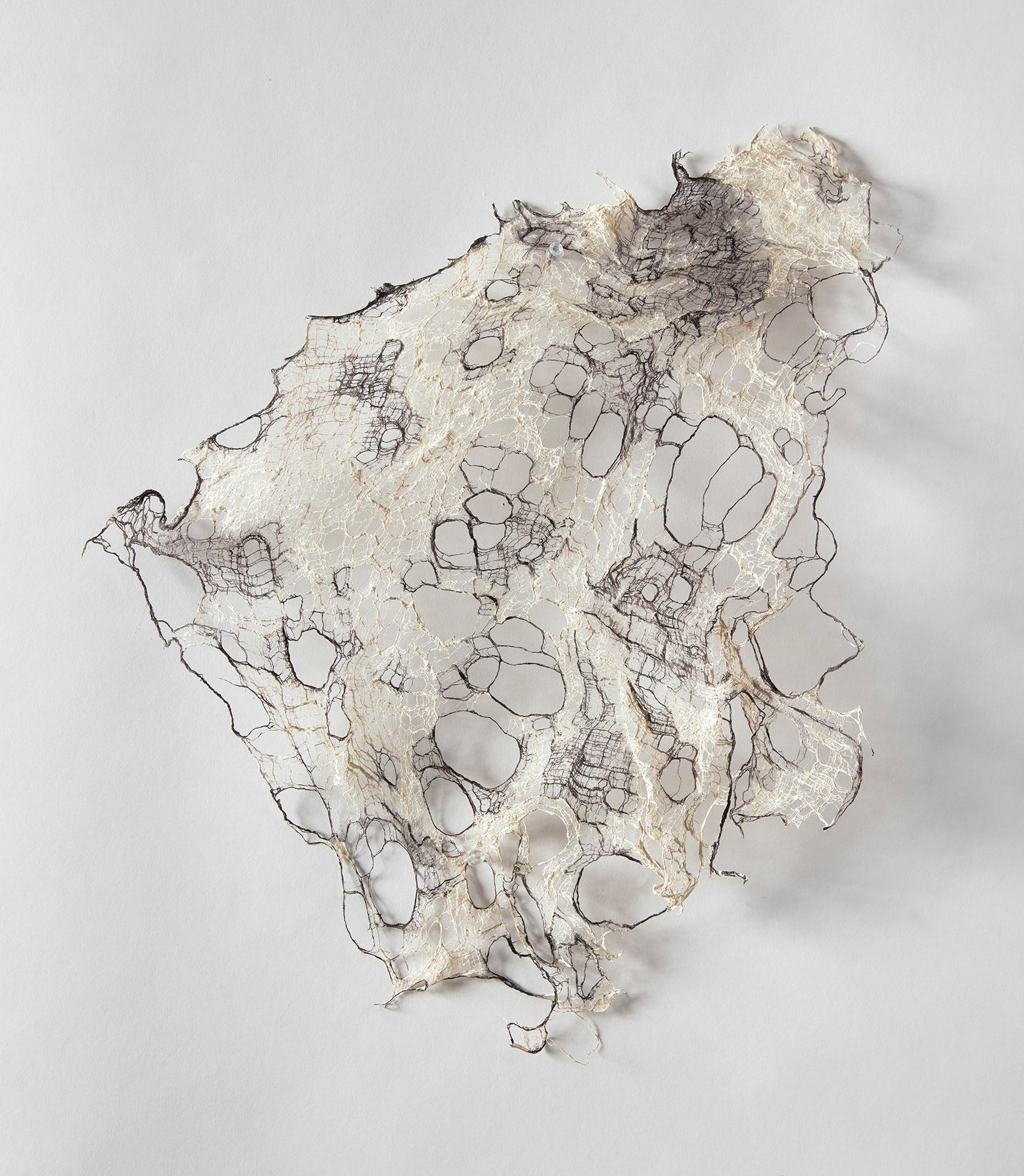
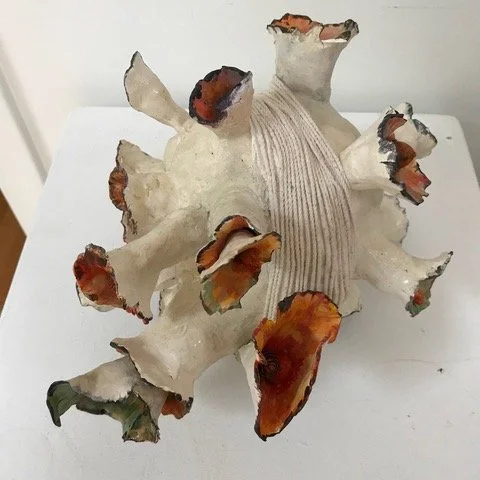
Much of my artwork past and present consists of handmade paper sculptures from kozo and abaca fibers. Some have added pigment, many have embedded plant matter, or anything else I get my hands on. Additionally I also create mixed media collages, sculptures and installations. Finding beauty in the imperfect, acknowledging moments of change, and engaging with the process of transformation form the basis of my work. My art references nature, whether human or otherwise, and attempts. metaphorically through layering process and form, to address the broader social and environmental issues.
I experience contemporary life (natural world )as having continuity and fragmentation- things relating, being experienced but not always finding a common thread. The demands of this time feel very fragmented-horrifying, beautiful, terrifying, alarming, affirming, unreal. I am deliberate in wanting my art, like nature, to do its own revealing: thus the insistence on leaving the ”imperfections”: the warped, bent tangled, entangled, imperfectly beautiful, frayed uneven edges, parts torn , smashed, shattered, unable to support themselves, persistent on survival, regrowth, regeneration. But I am in no way, nor do I want to be, a passive traveler, either in life or as a creator.
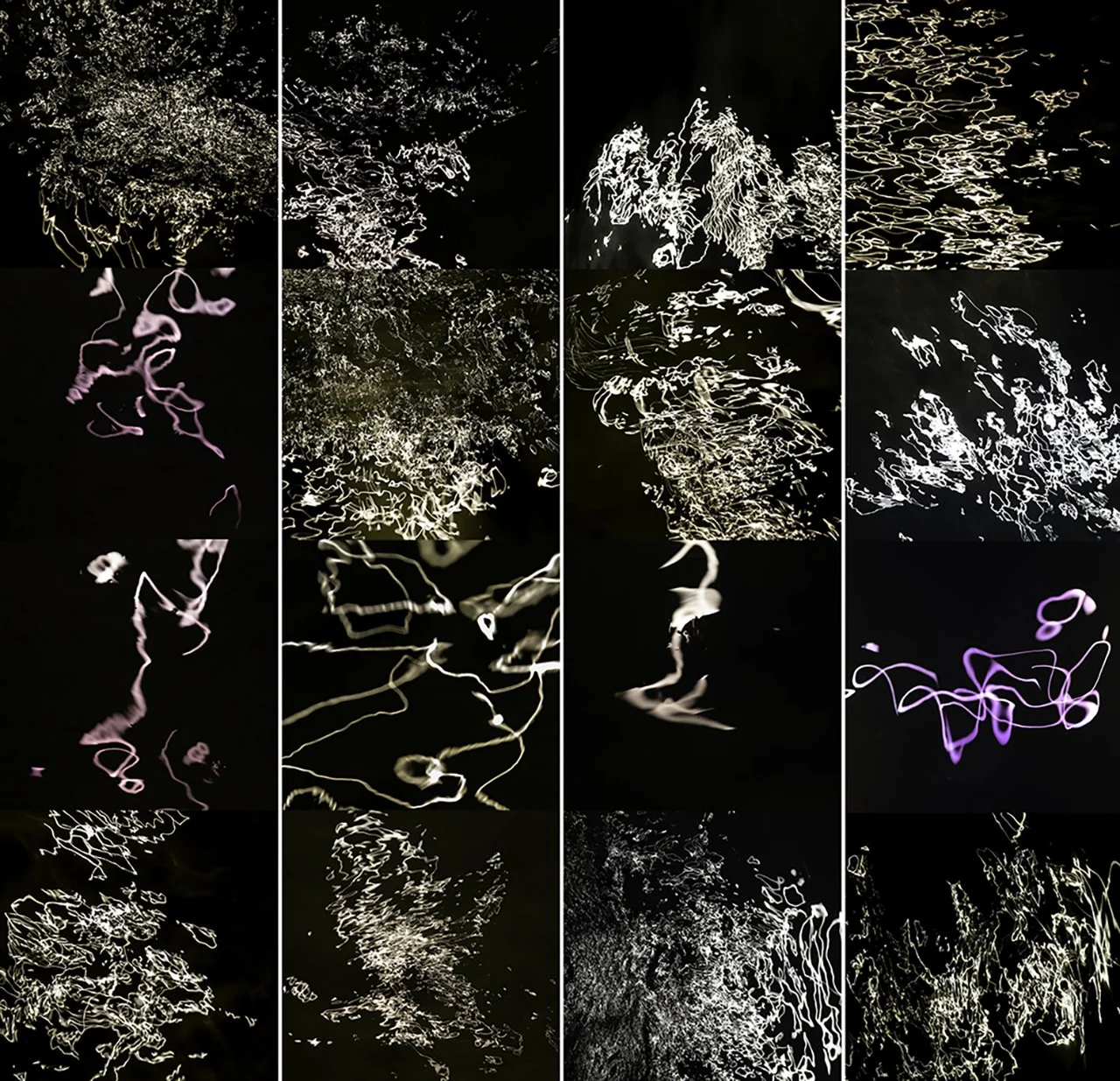
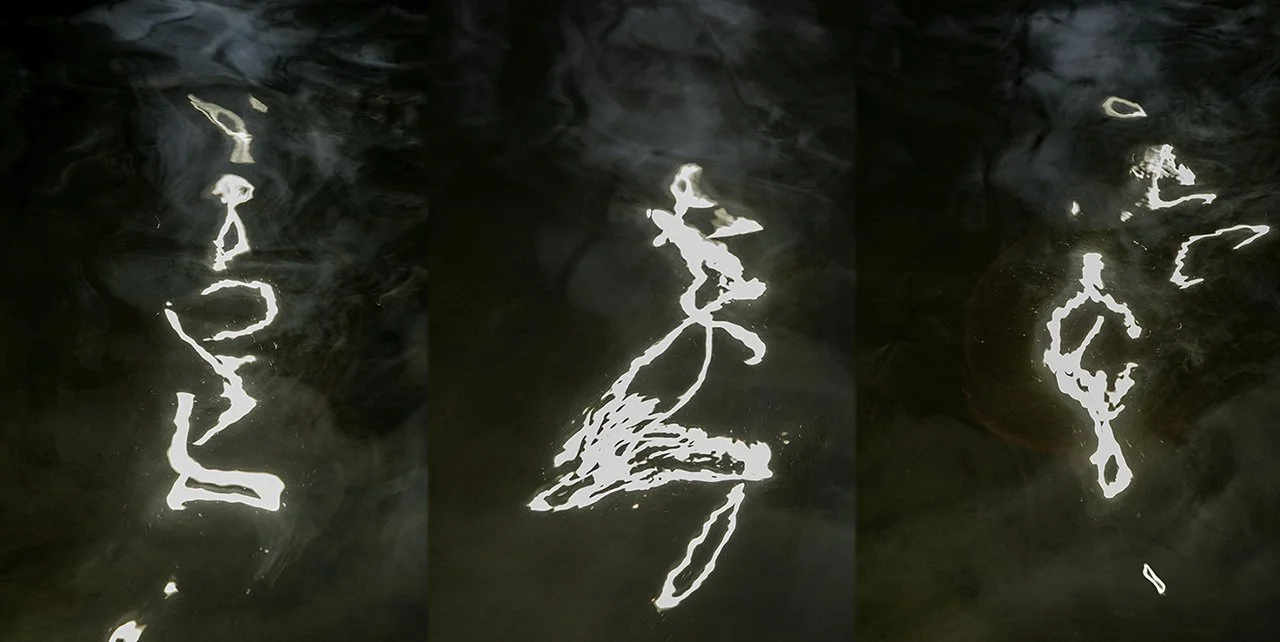
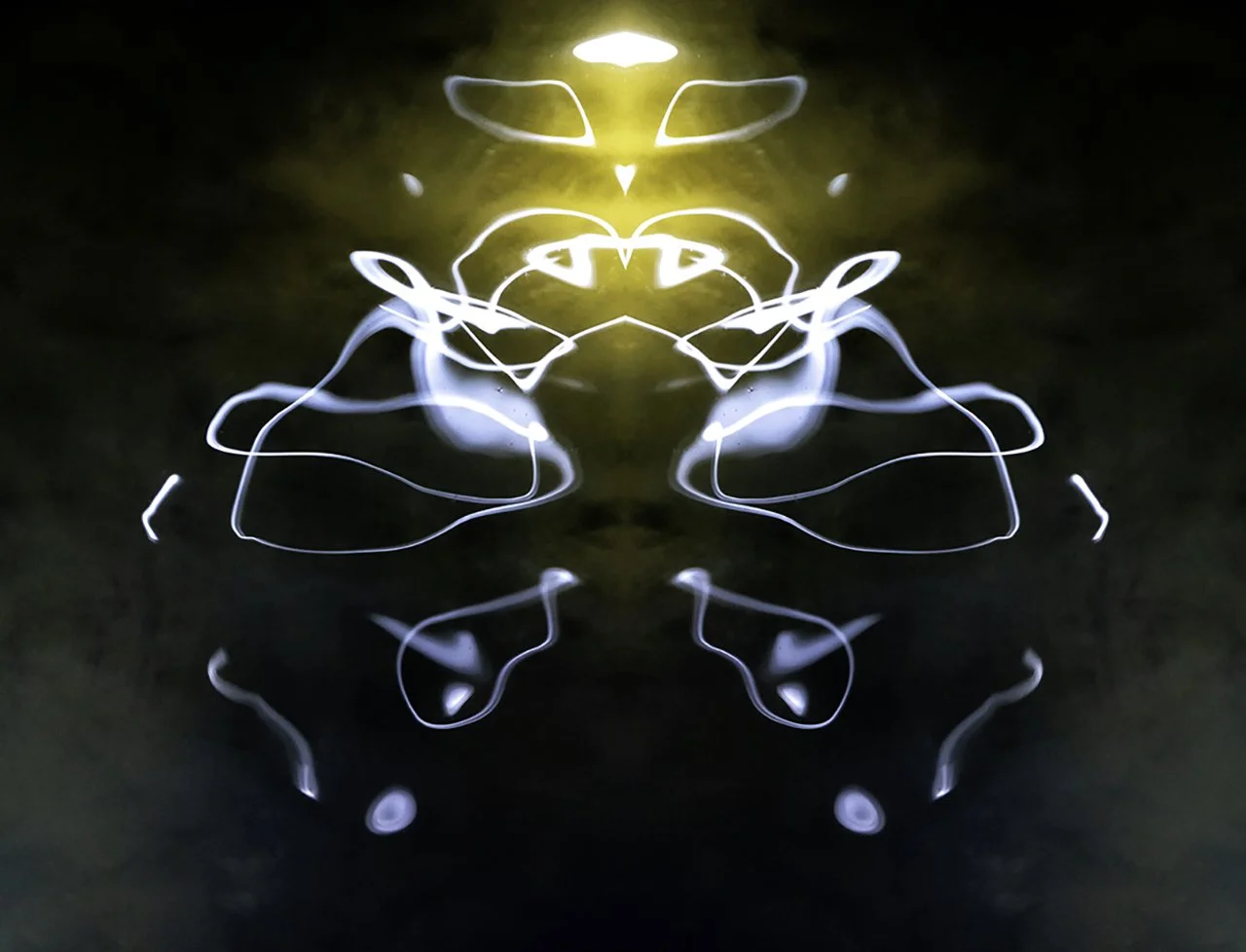
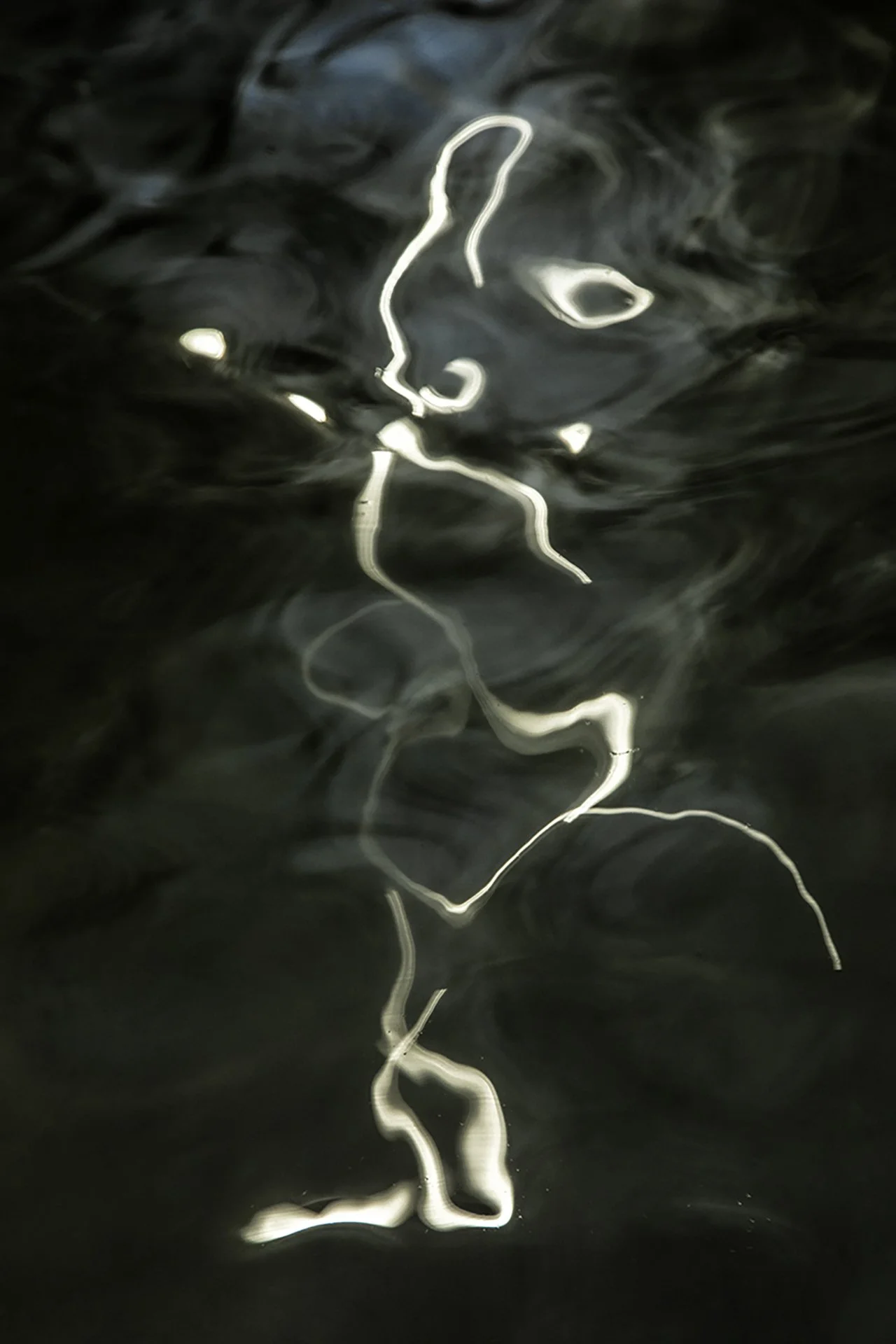
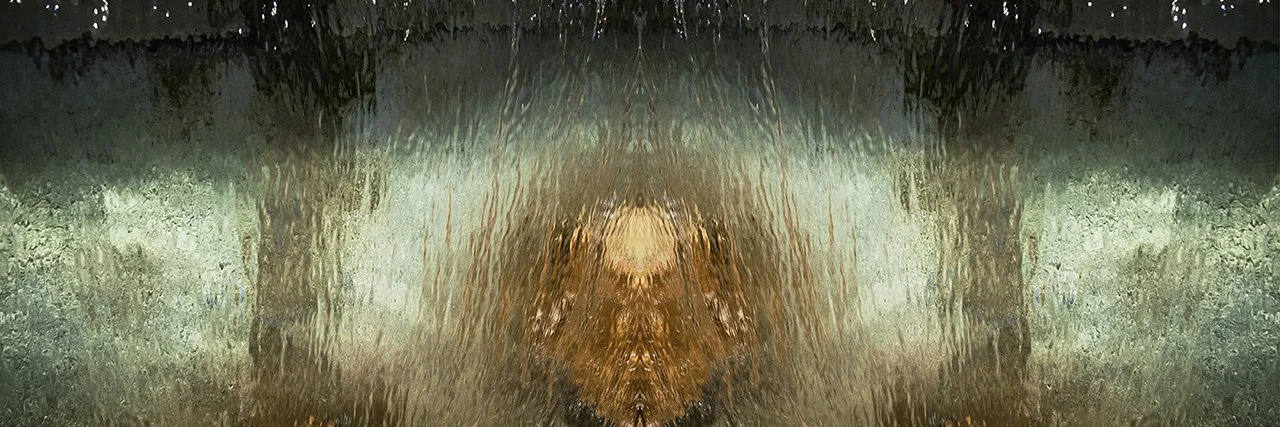
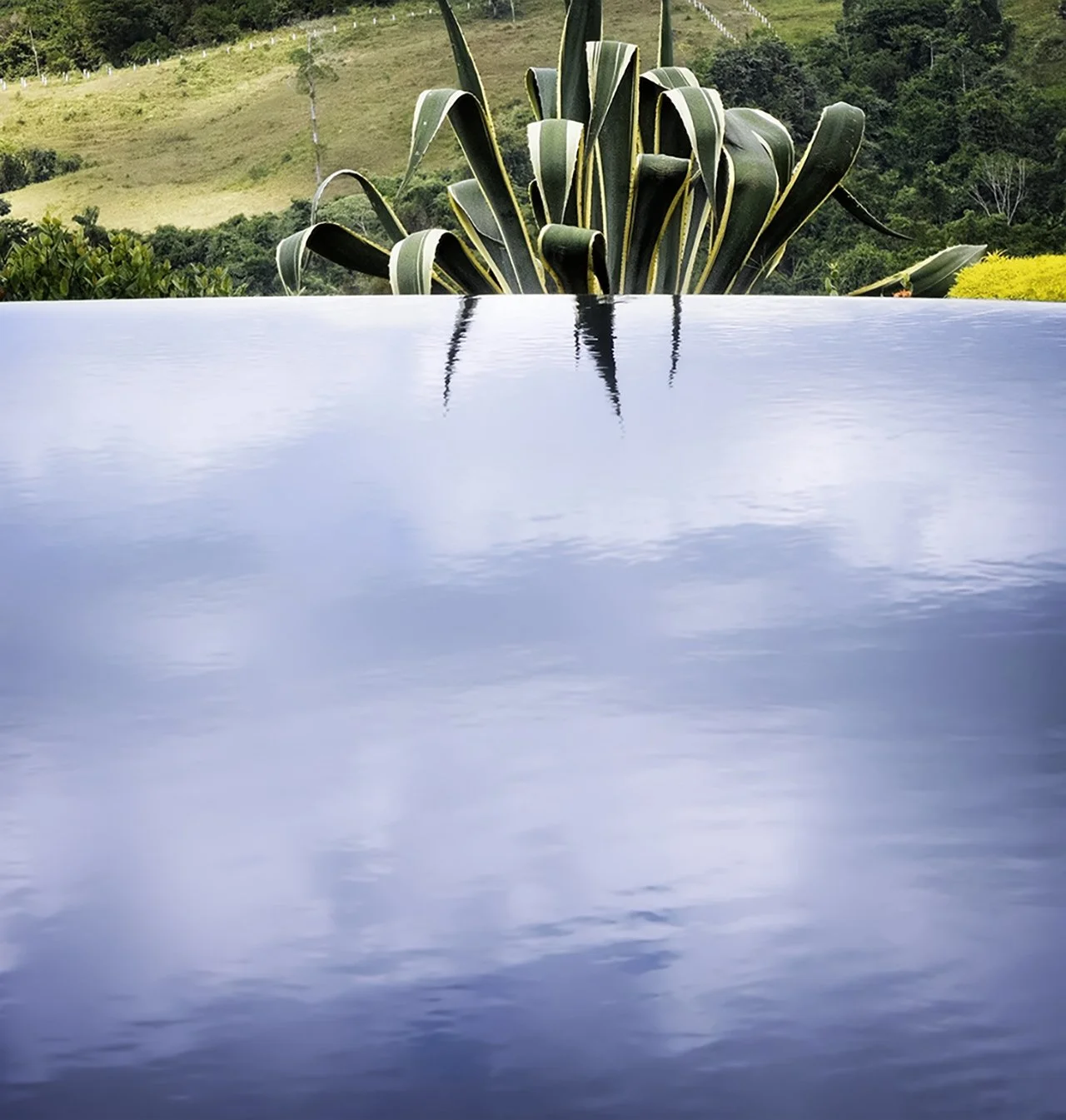
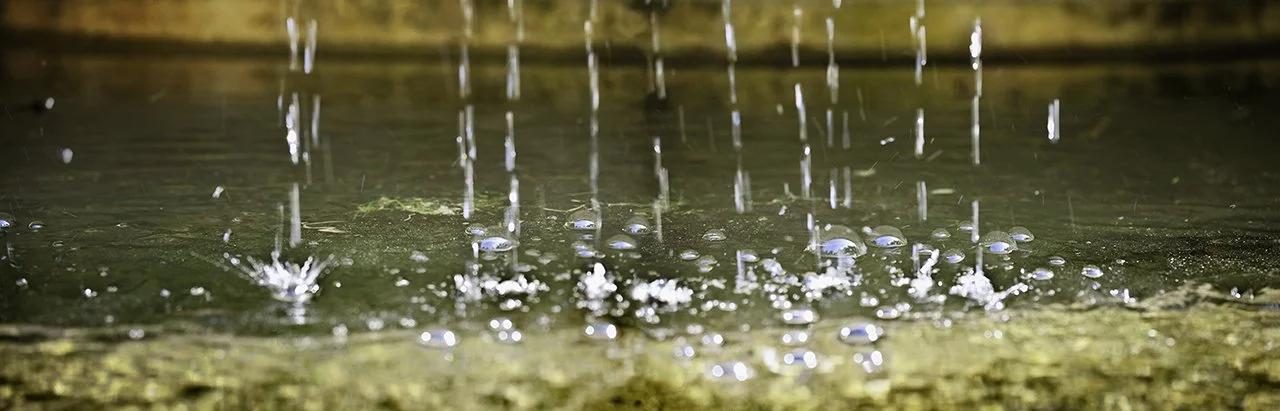
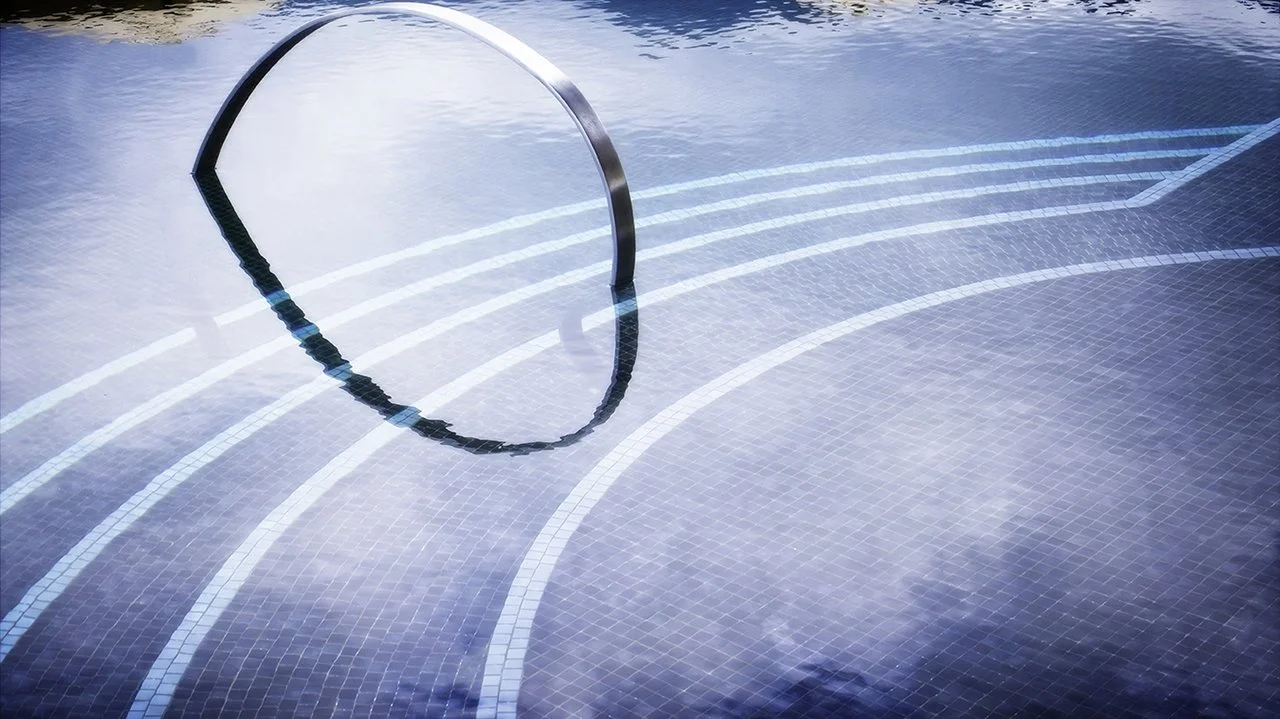
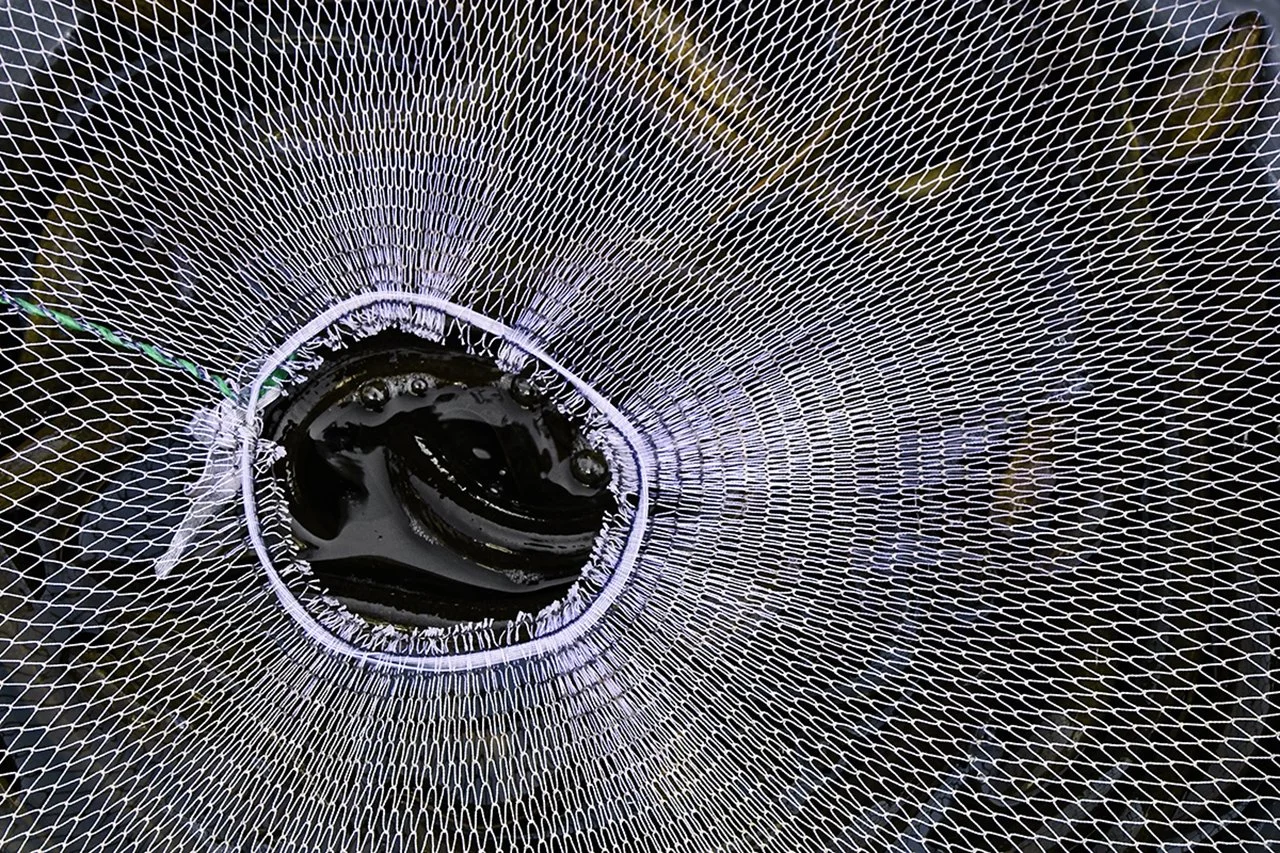
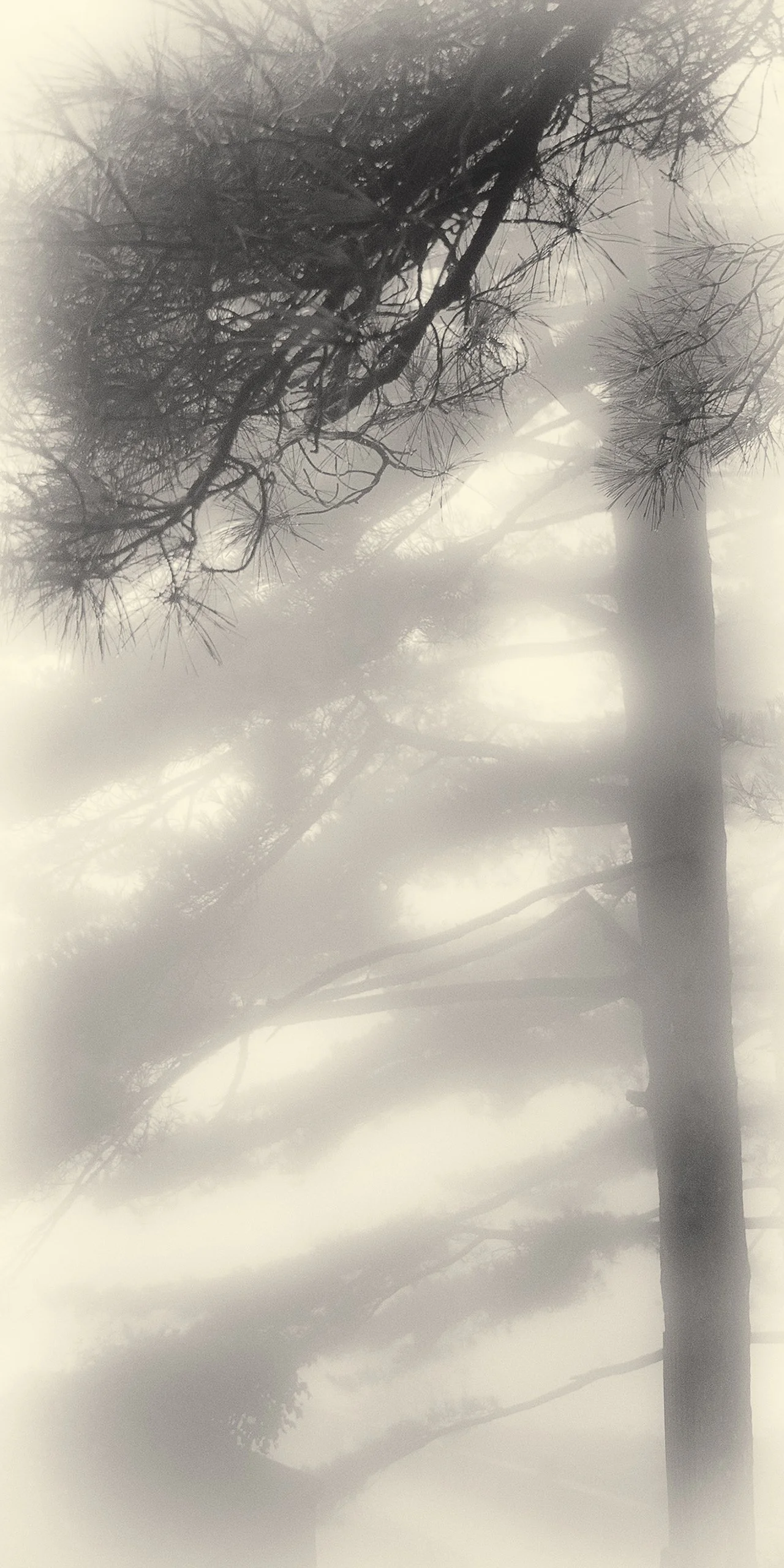
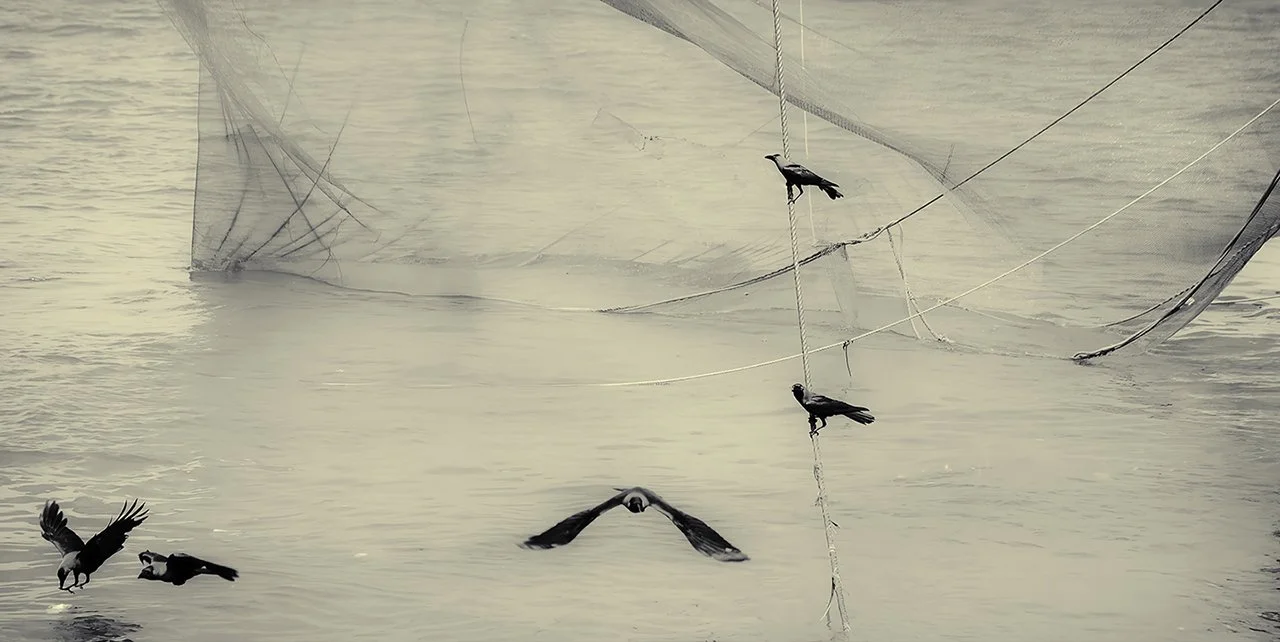
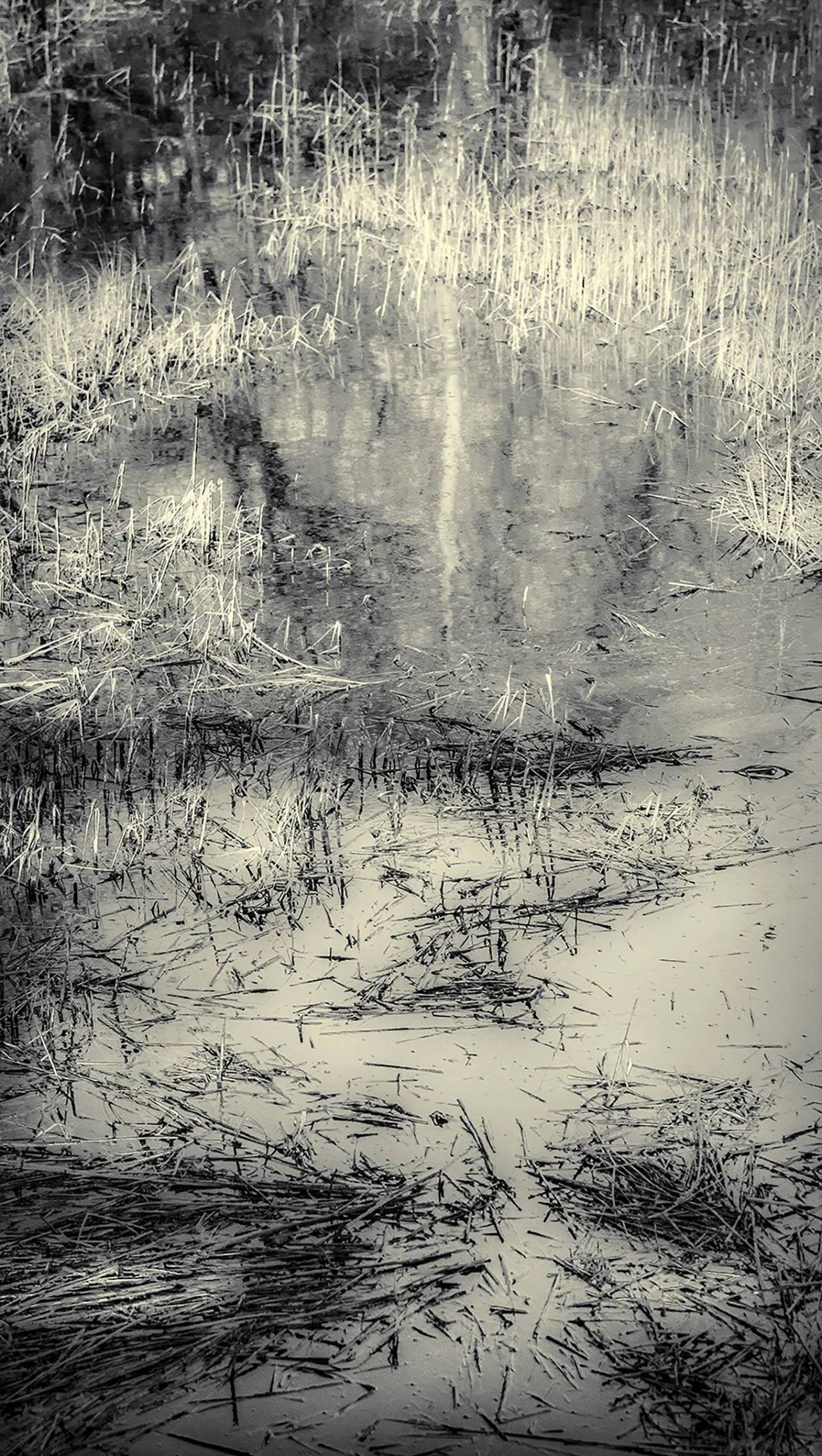
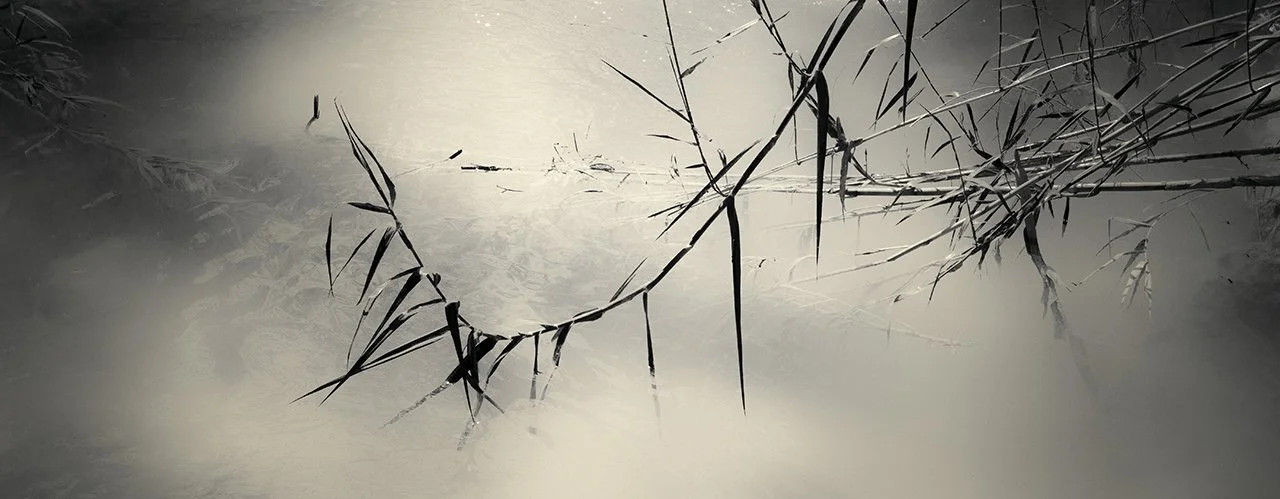
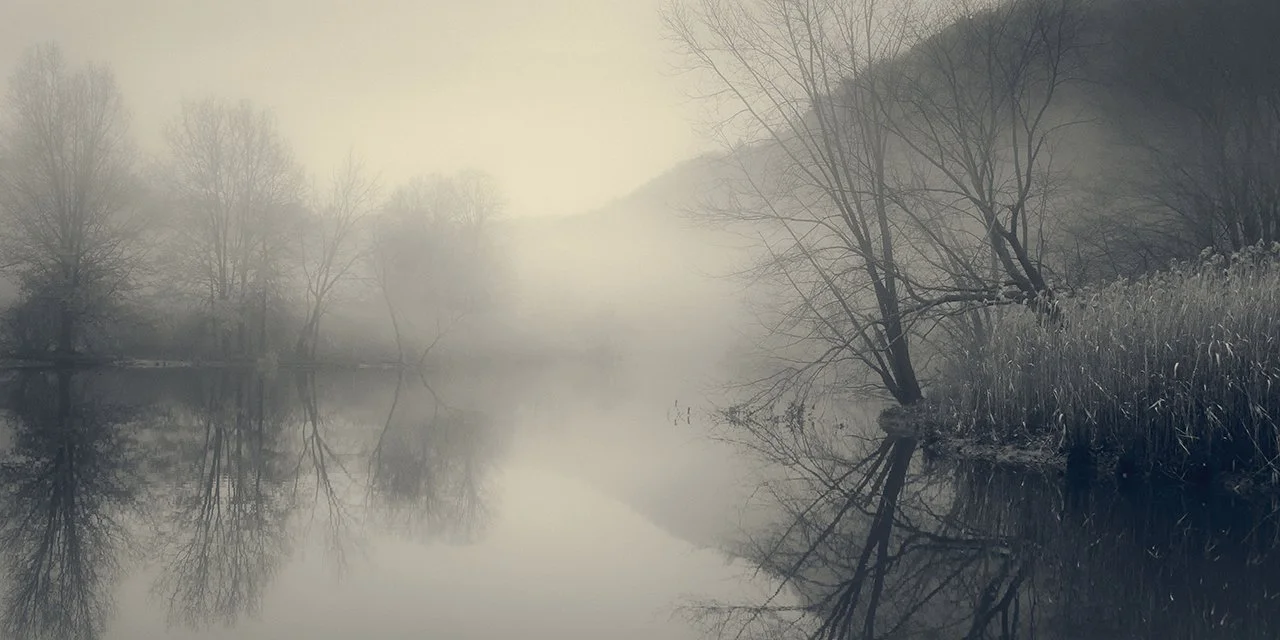
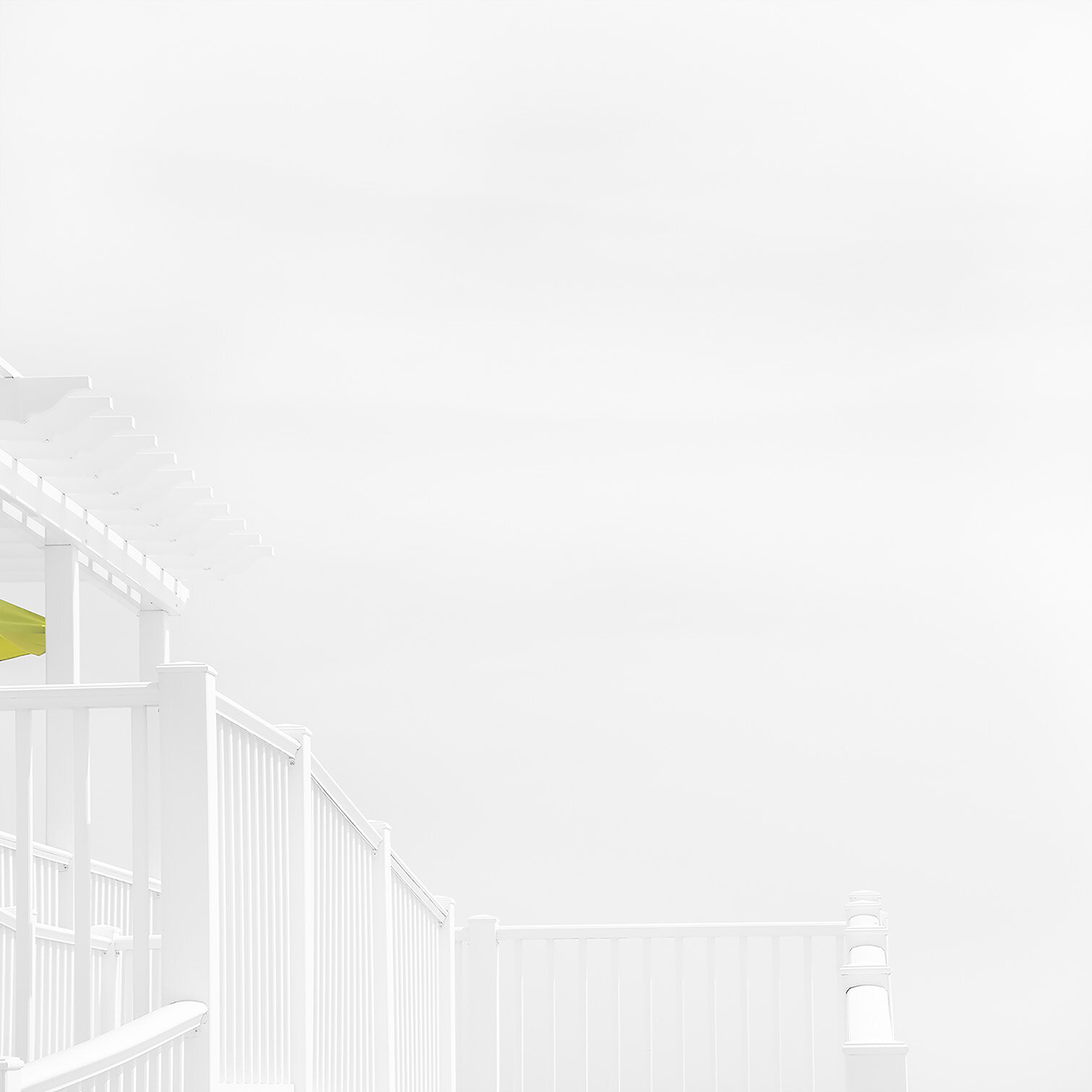
My work has evolved over time to include representational and non-objective images. This comes in part from experience, looking for new ways of expression, and often from combining images, a central interest. Combining images creates many more associations and generates new meanings. Something that is visually secondary in one image, may become primary when combined with others. Water has played a large role in my practice. Whether shooting through rain, snow, or pools, I am focused on the distorted subject. This becomes a metaphor for how knowledge is always limited. In a later series the sun makes drawings on the water, that resemble glyphs and pictographs, which evoke ancient languages. I often work with fog and mist to give a more poetic feeling.
I am not attempting to simply represent what I see; I prefer to encourage participation from the viewer. This deepens the original emotional experience.
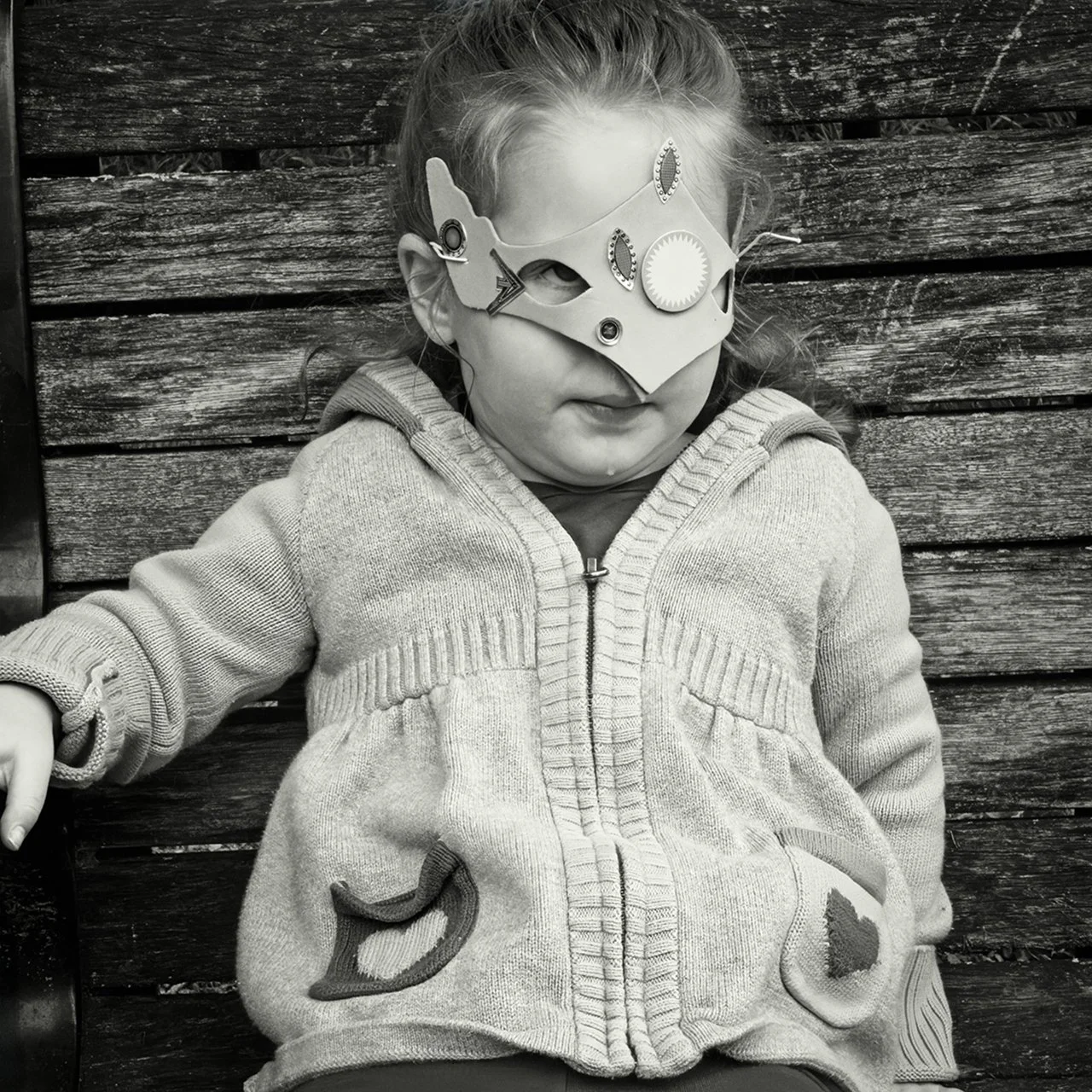
Crowley began photographing at age eleven. She has worked as a commercial Photographer, doing portrait, industrial and aerial work. She was also photographer for the American Shakespeare Theater and the Connecticut Ballet. Her work has appeared in national newspapers and magazines. After many years teaching photography at Norwalk Community College, she now teaches at Creative Arts Workshop, New Haven. Crowley has twice received a fellowship grant from CT Commission on the Arts. She exhibits nationally and is a member of City Gallery in New Haven and Silvermine Guild in New Canaan. Her photographs are in corporate collections, hospitals and homes of appreciative people. Two books of her work have been published.
Website: www.phylliscrowley.com
Instagram: phyllisfcrowleyphotography
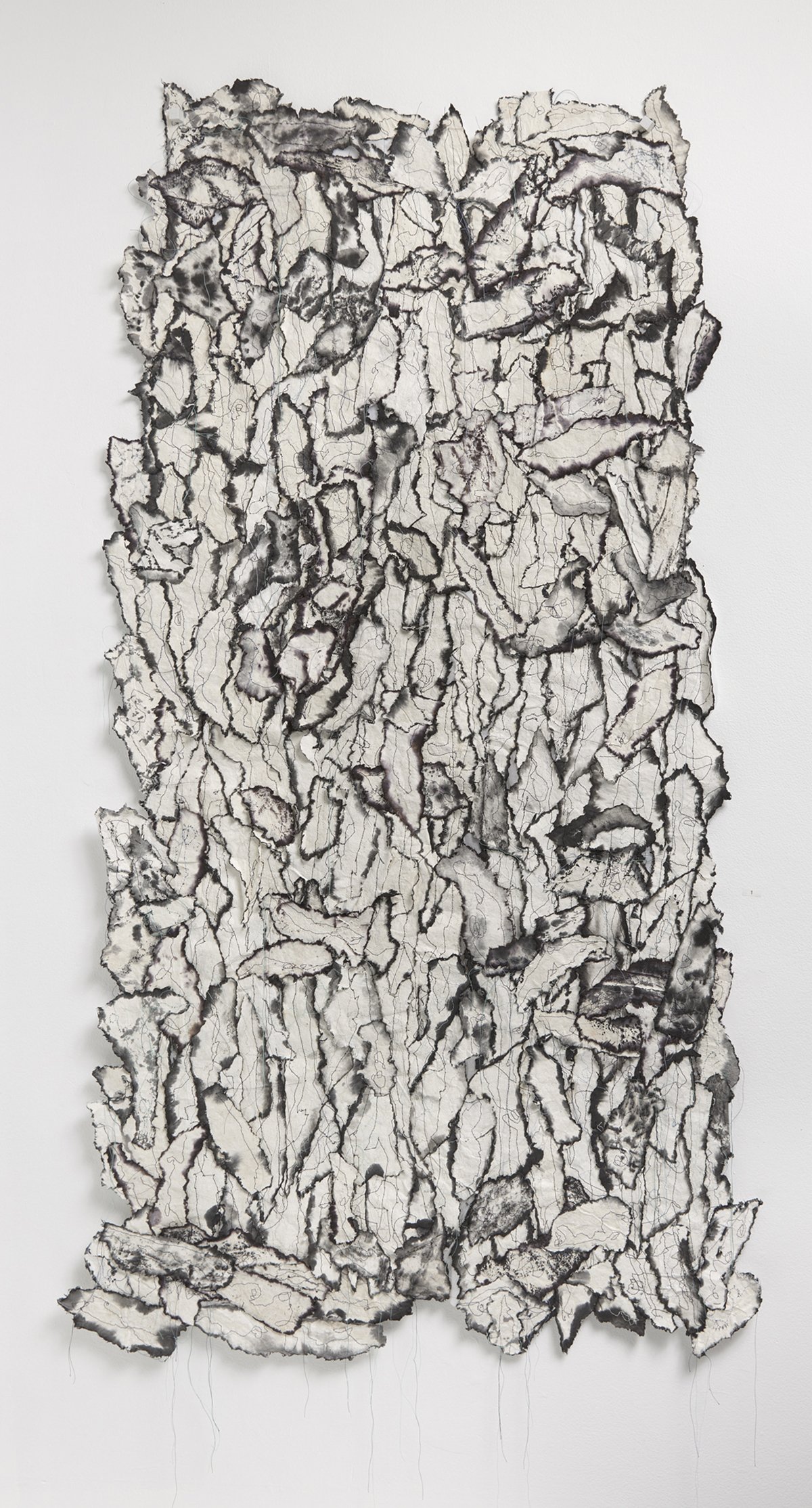
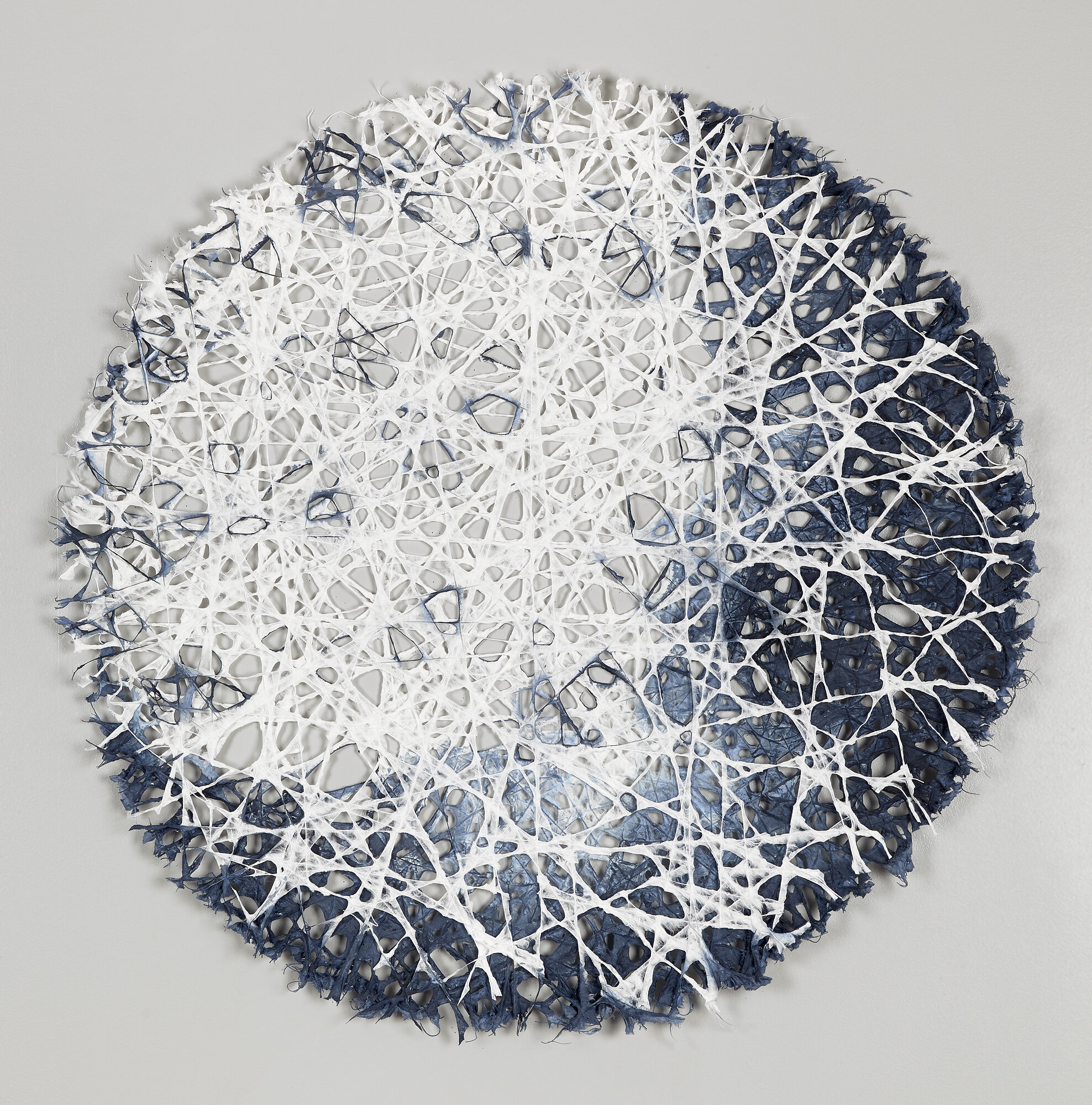
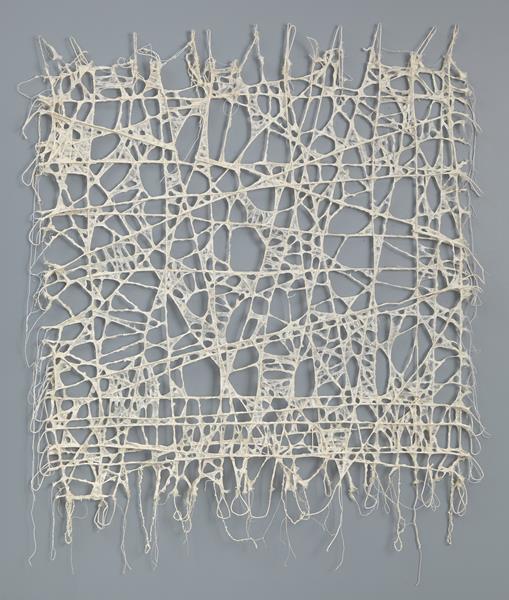
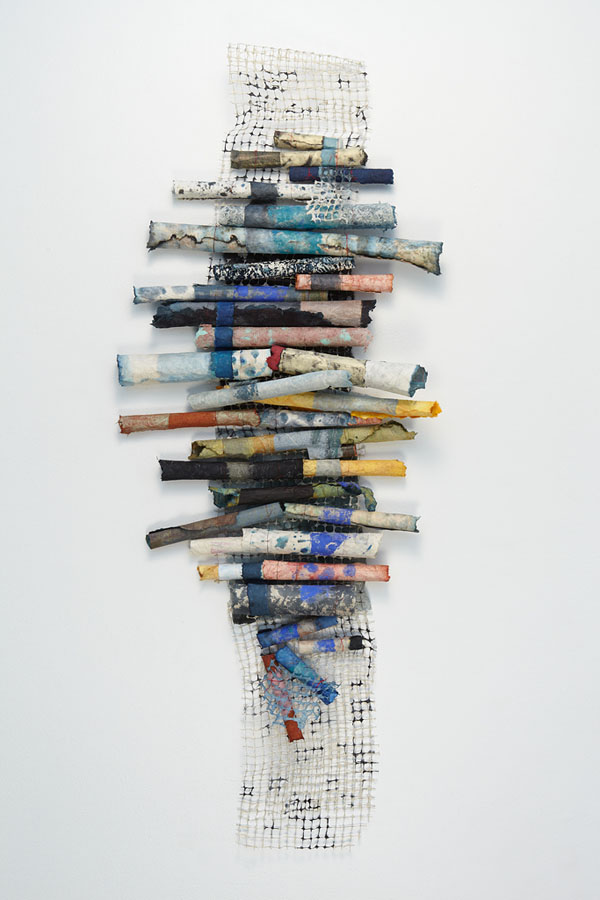
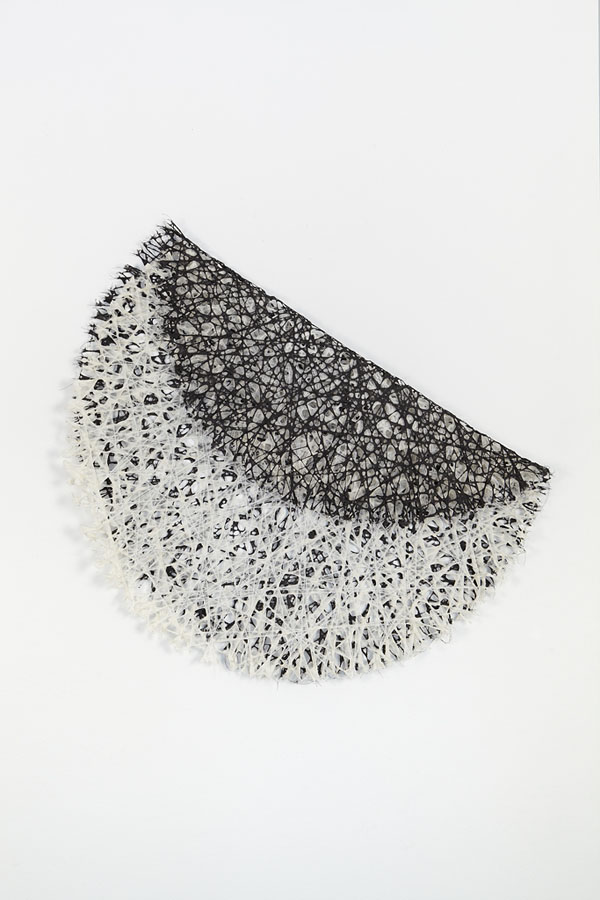
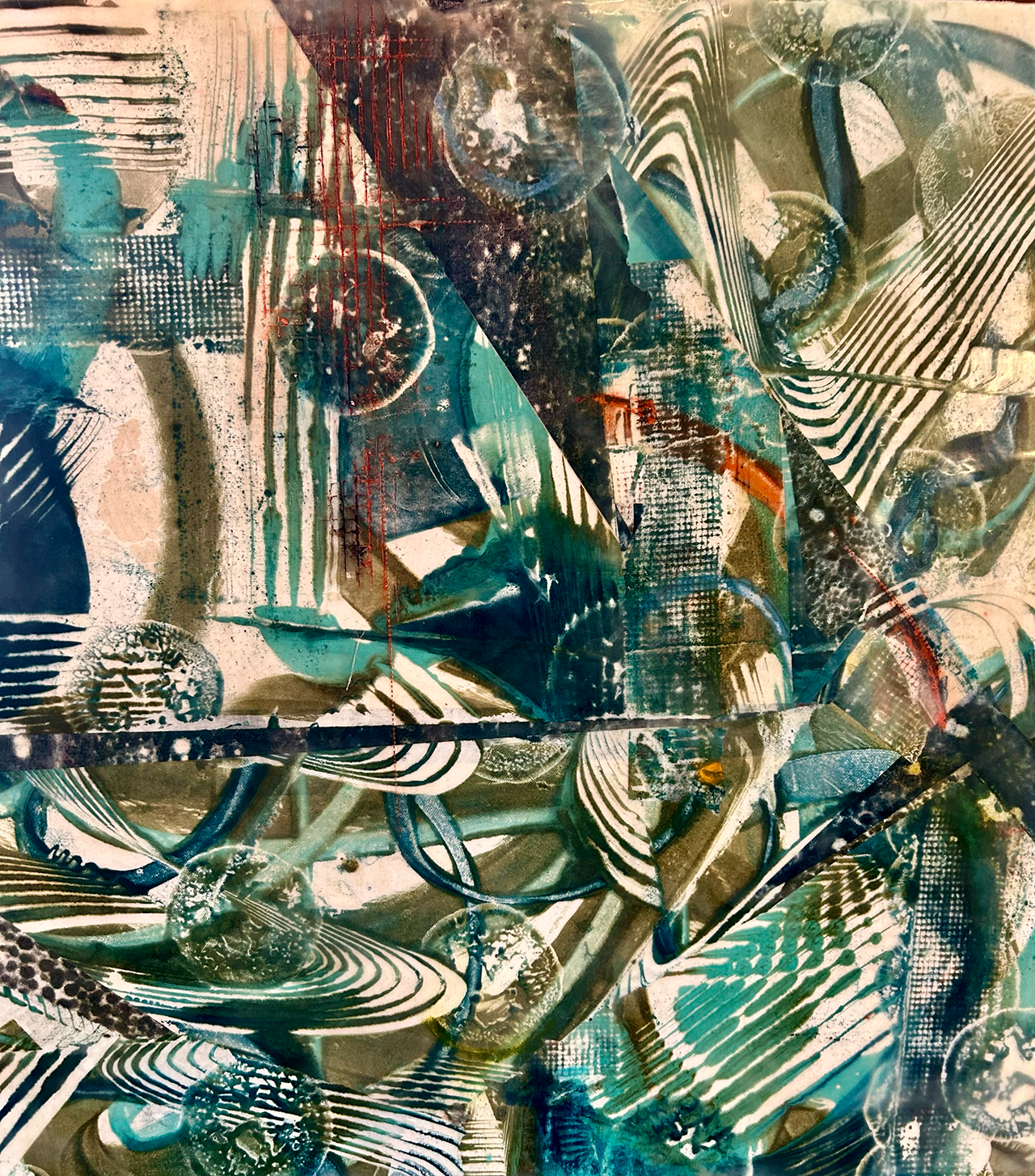
Jennifer Davies graduated from Rhode Island School of Design and spent a year in Rome as part of the European Honors Program. Trained as a painter and illustrator, she worked for many years in watercolors, drawing, and monotype. Now her work is largely fiber oriented, incorporating paper she makes by hand using both Eastern and Western papermaking traditions. Fiber techniques she uses are dipping weavings into paper pulp, indigo dyeing, and sewing handmade papers together to make large wall hangings.
Group shows include the Fuller Craft Museum, Flinn Gallery, Fiberart International, and the 2023 Shanghai International Paper Art Biennale. Solo shows were at City Gallery, and Museum of Papermaking. She is a member of North American Hand Papermakers and Surface Design Association. In 2012 she was awarded a Connecticut Artist Fellowship Grant. Her work appears in several Fiber Arts books, such as l’art du fil, by Marie Madeleine Masse, and Wall Art, a Schiffer publication. Magazines such as Surface Design and Fiber Art Now have also reproduced her work. In recent years, she has completed commissions for hotels, cruise ships, and private residences.
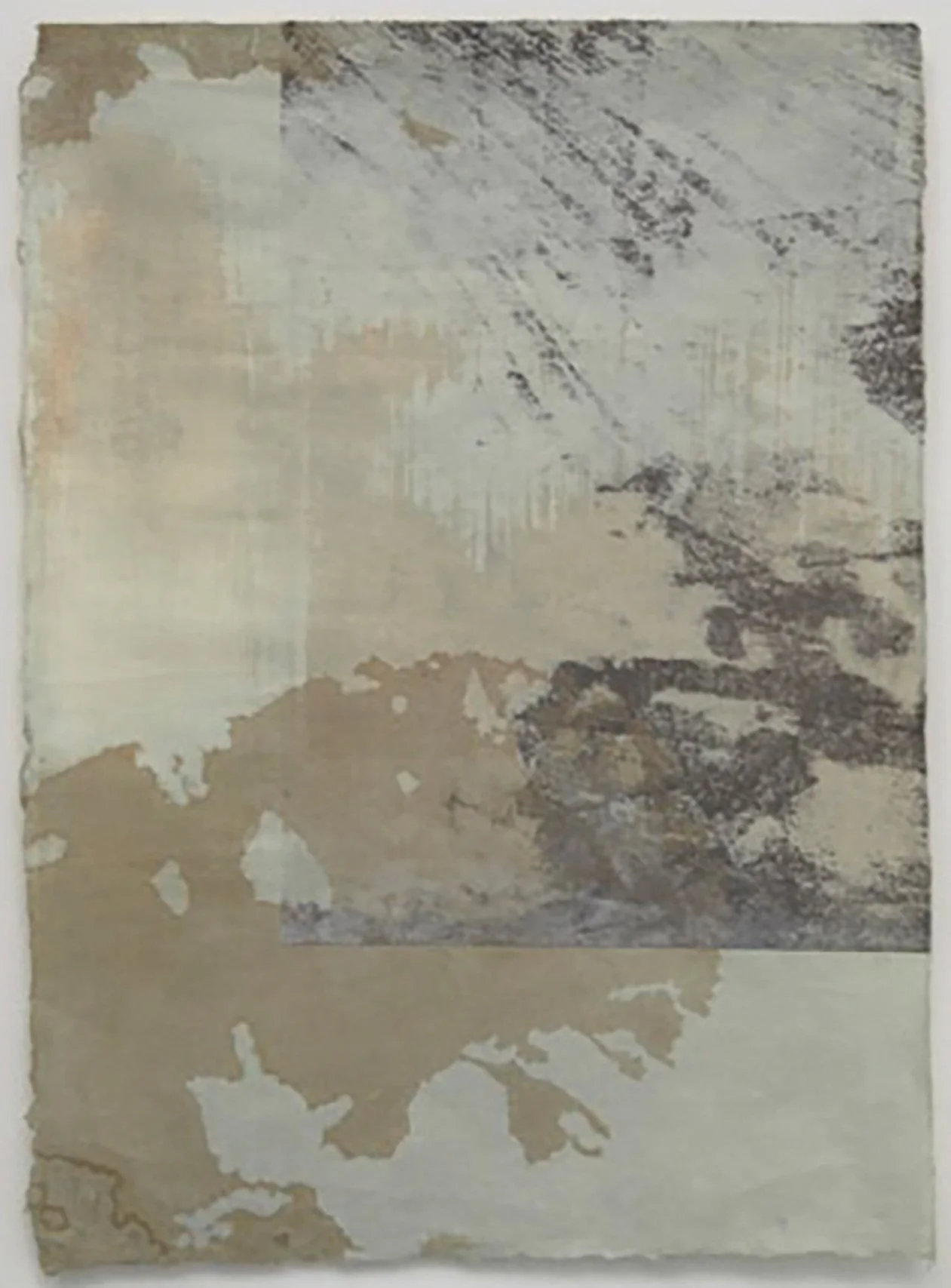
56in.h x 36in.w, gampi handmade paper, kozo fiber ink, thread, 2024
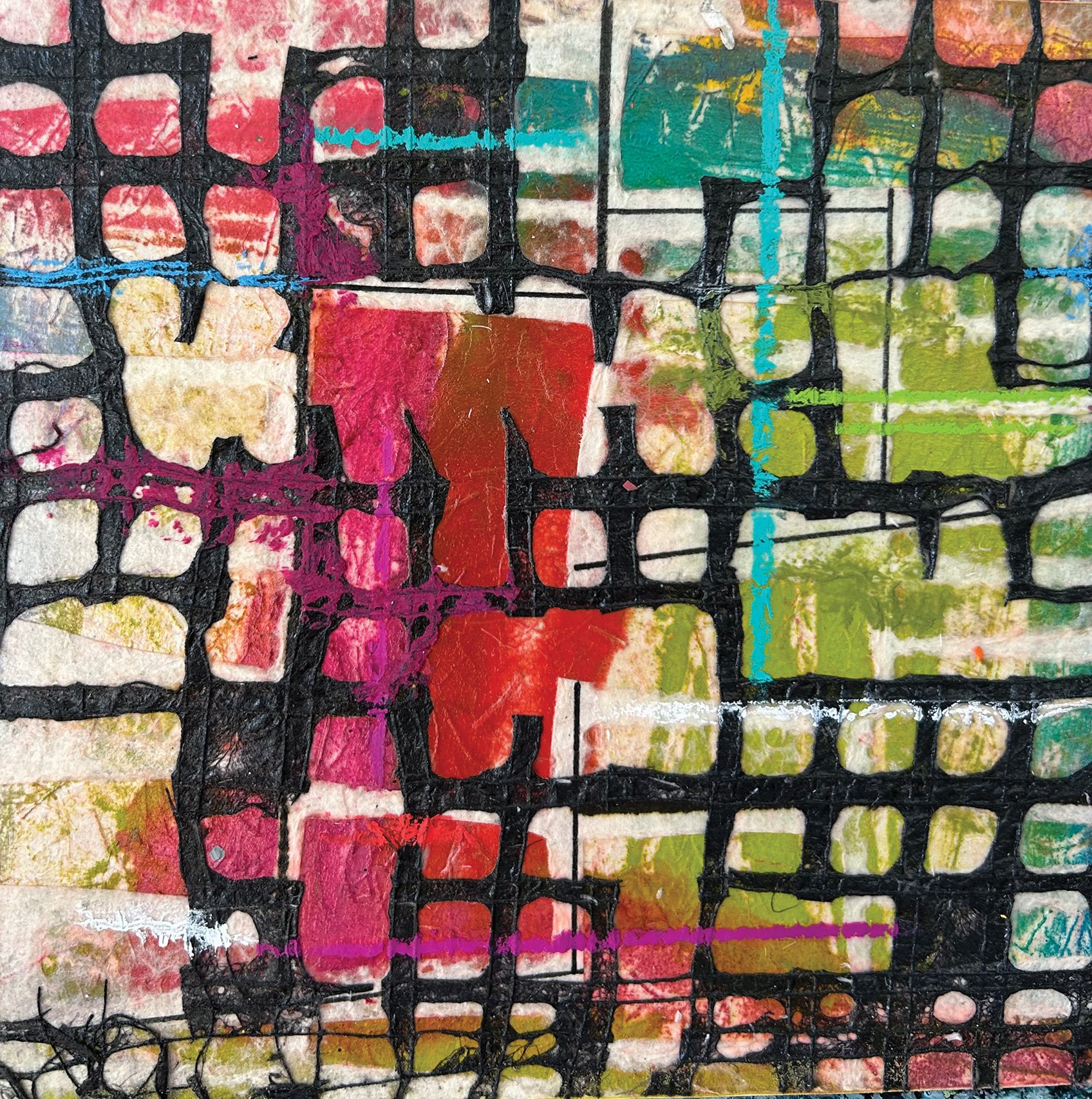
19in.h x 15in.w.(image), 26in.h x 23in.w. (frame), monotype on handmade paper, kozo fiber, ink, 2024
56in.h x 32in.w., plastic vegetable bags, thread, 2024
52in.h x 27in.w, monotype, handmade paper, thread, 2024
68in.h x 31in.w., linen wetlap, ink, thread, 2022
72in.h x 48in.w., Indigo dyed kozo lace, thread, 2020
string, pigment, paper pulp
40 inch diameter
string, pigment, paper pulp
40 inch diameter
gampi with shredded airmail letters, thread
48” x 27”
63" x 82"
printing ink on handmade paper
Float
44" x 37"
string and kozo pulp
Up and Up
handmade paper, pigment, and birdnetting
60" x 24"
Let Evening Come
woven string and handmade paper
23" x 37"
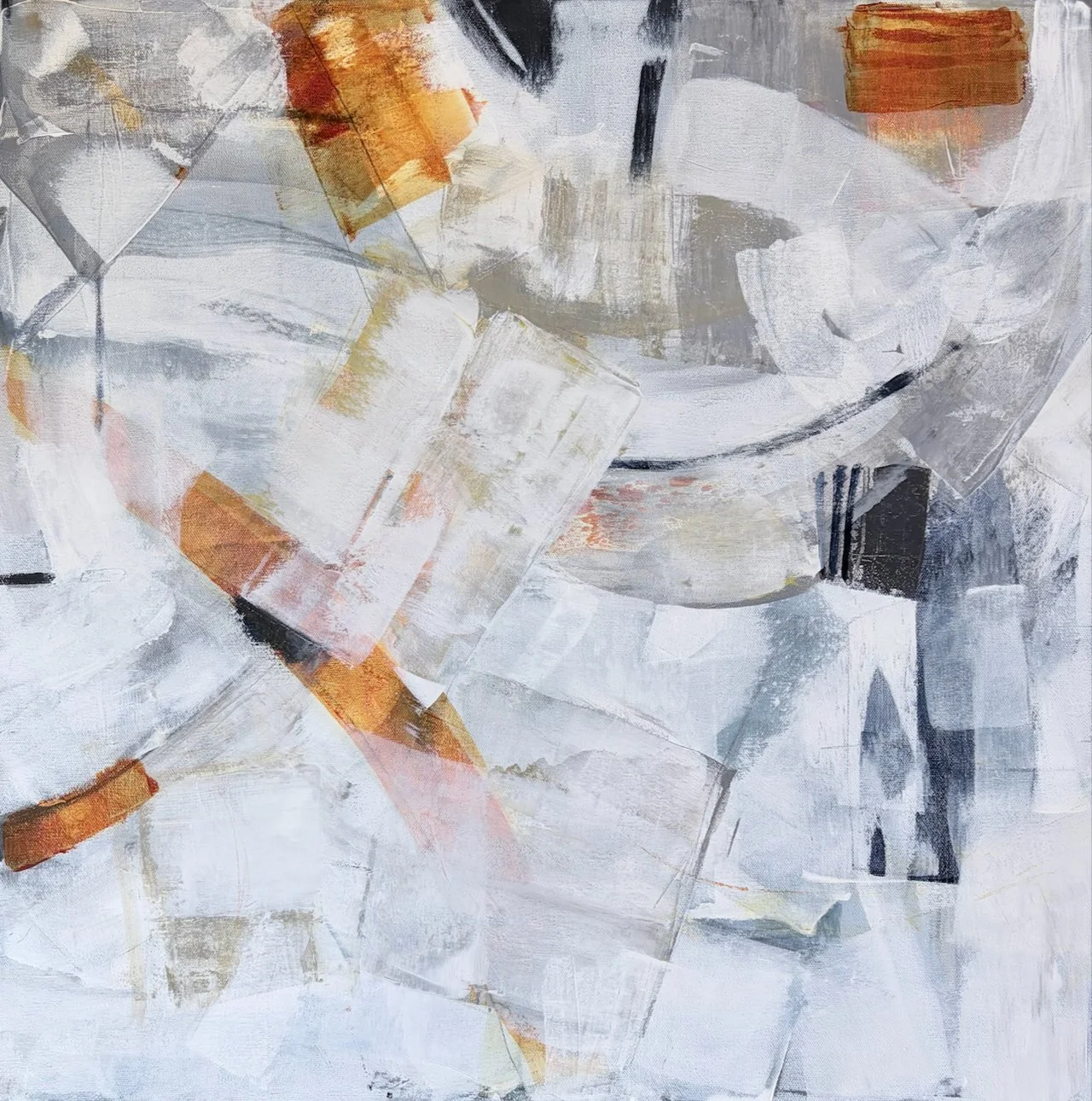
A time of change/ transition/ looking back/ looking forward. A time to define the need to create work that is new and to experience whatever unfolds with new understanding and visions. I have sought to shelve my familiars, and to experiment with unexplored materials, tools, shapes, concepts of color and design. I am often surprised, frustrated and invigorated. What I have learned is that the same underlying quest continues to inform my work, regardless of the techniques, surfaces and tools. The ability to capture light and air, the intrigue of layers and the mysteries hidden within, and the absorption and refraction of vibrant color remain my focus. I wish for the viewer to share my journey and to join me as we discover together.
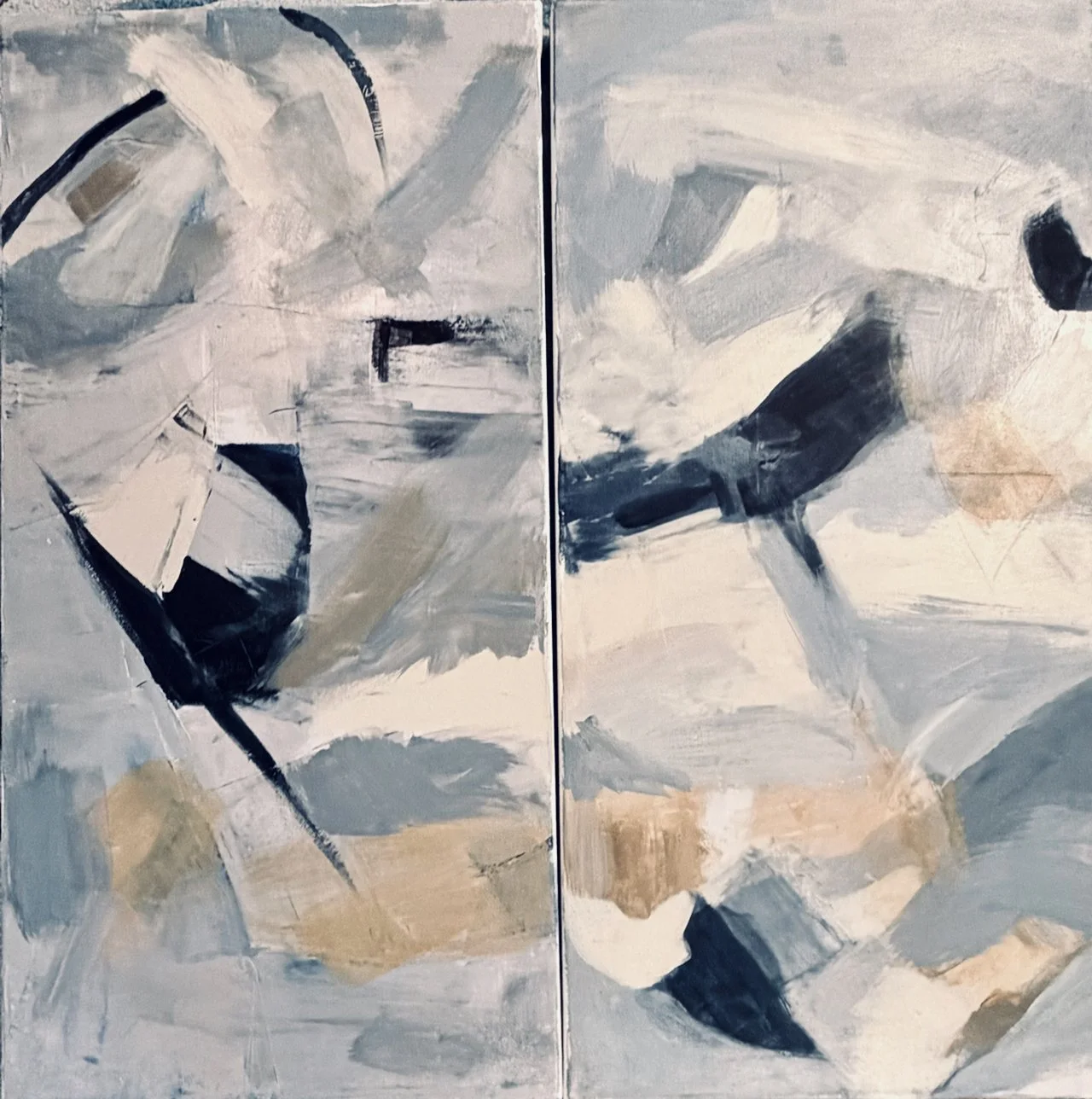
acrylic diptych
36" x 72"
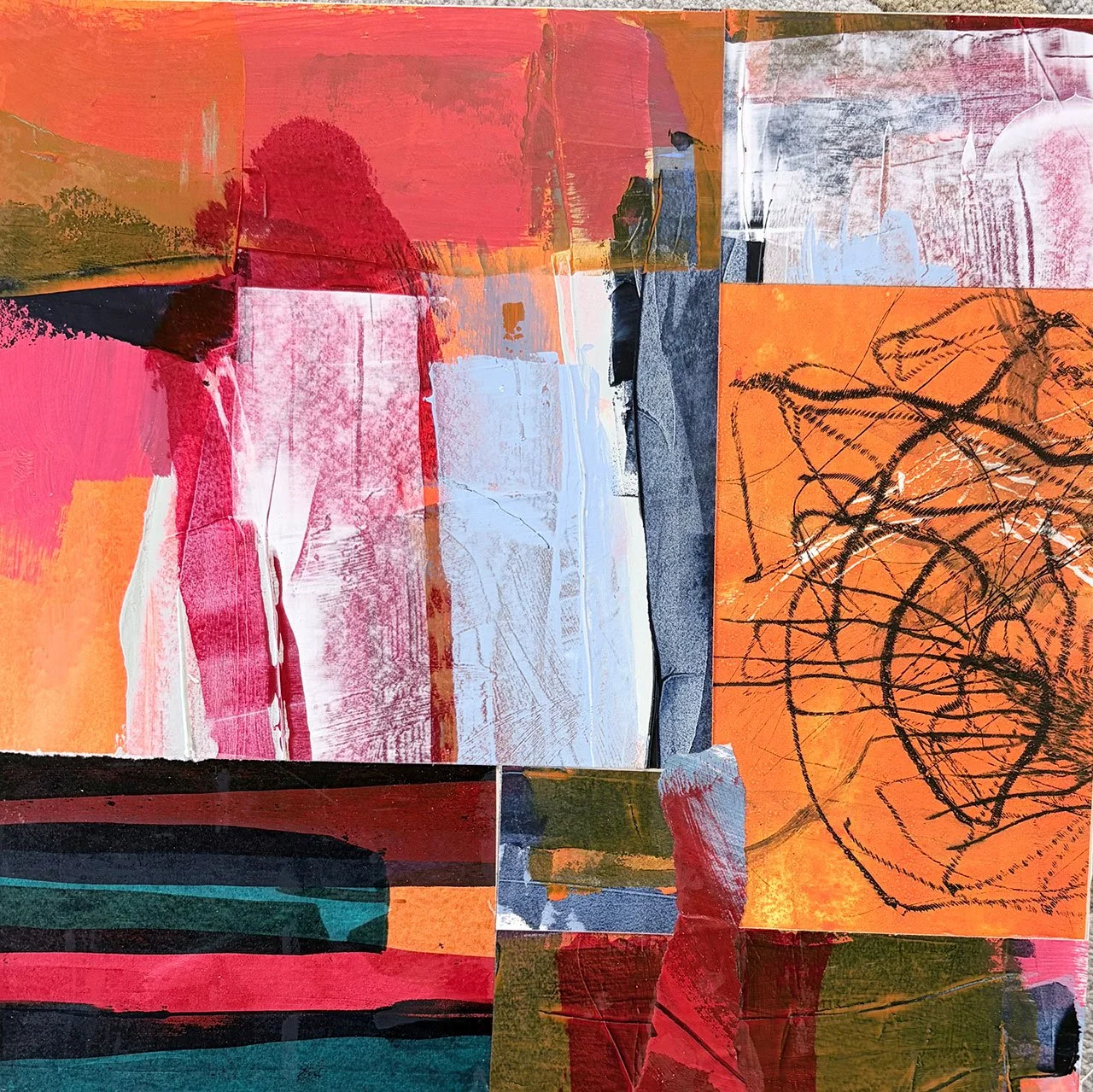
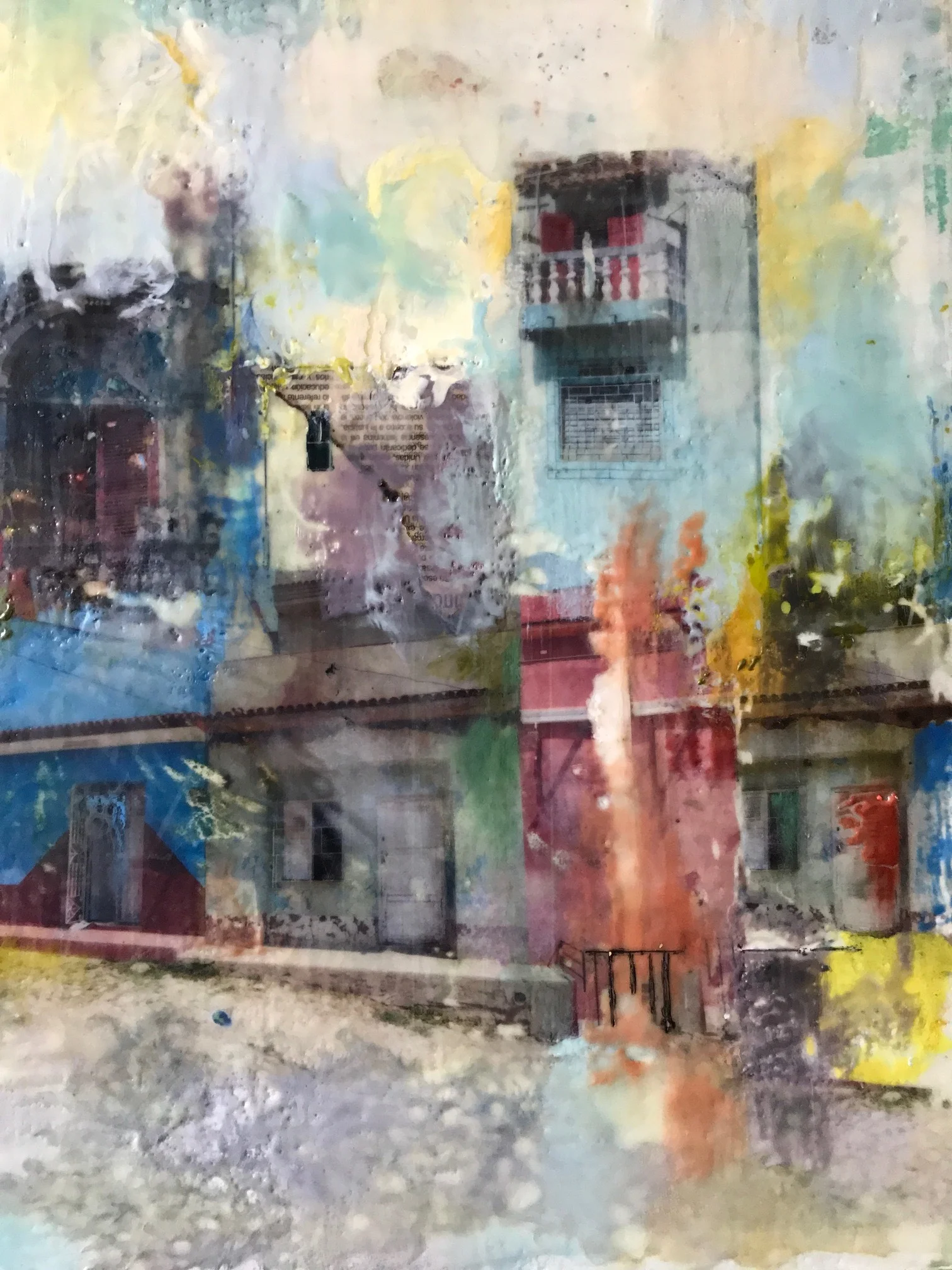
encaustic collage, oil stick
16" x 16"
encaustic collage, oil
12" x 12"
acrylic, charcoal on canvas
24" x 24"
acrylic
16" x 40"
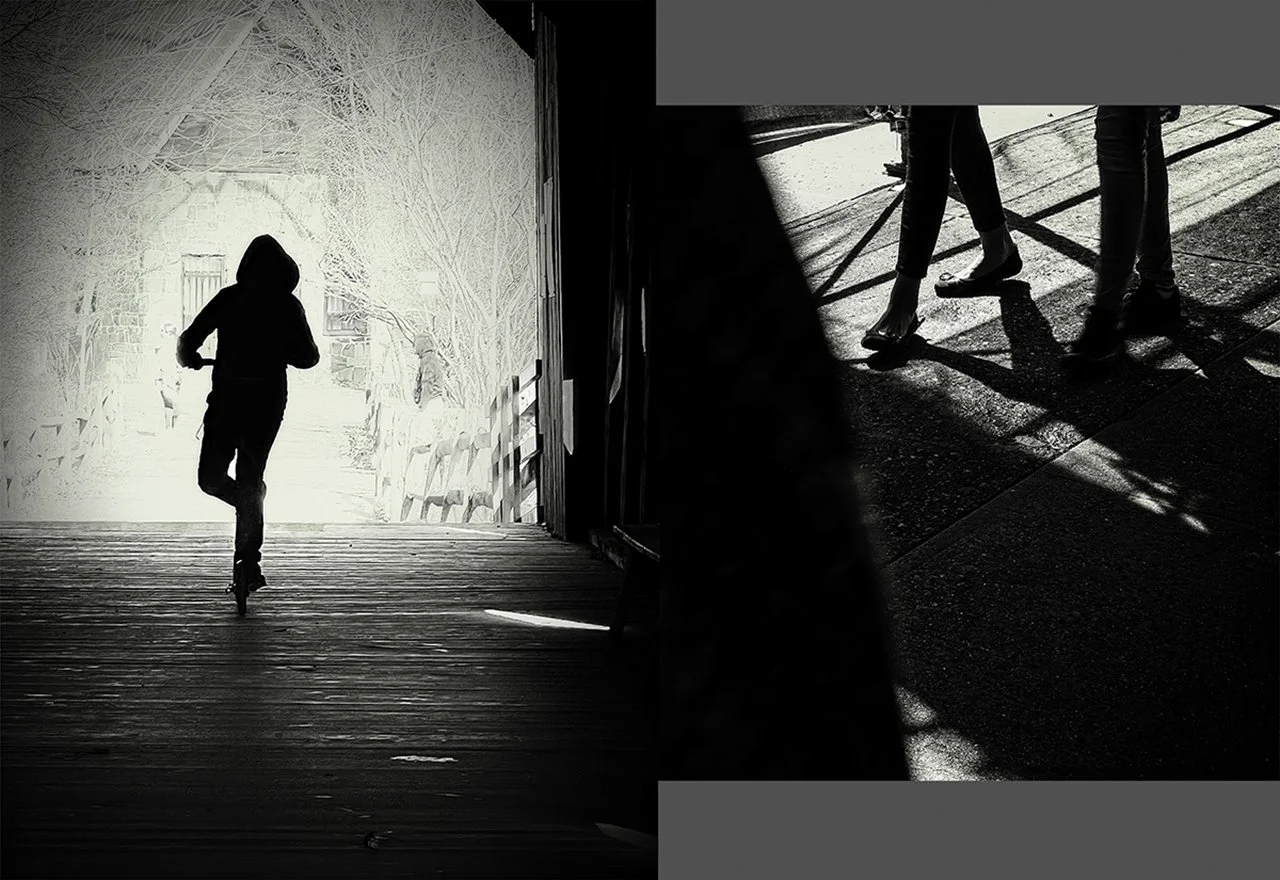
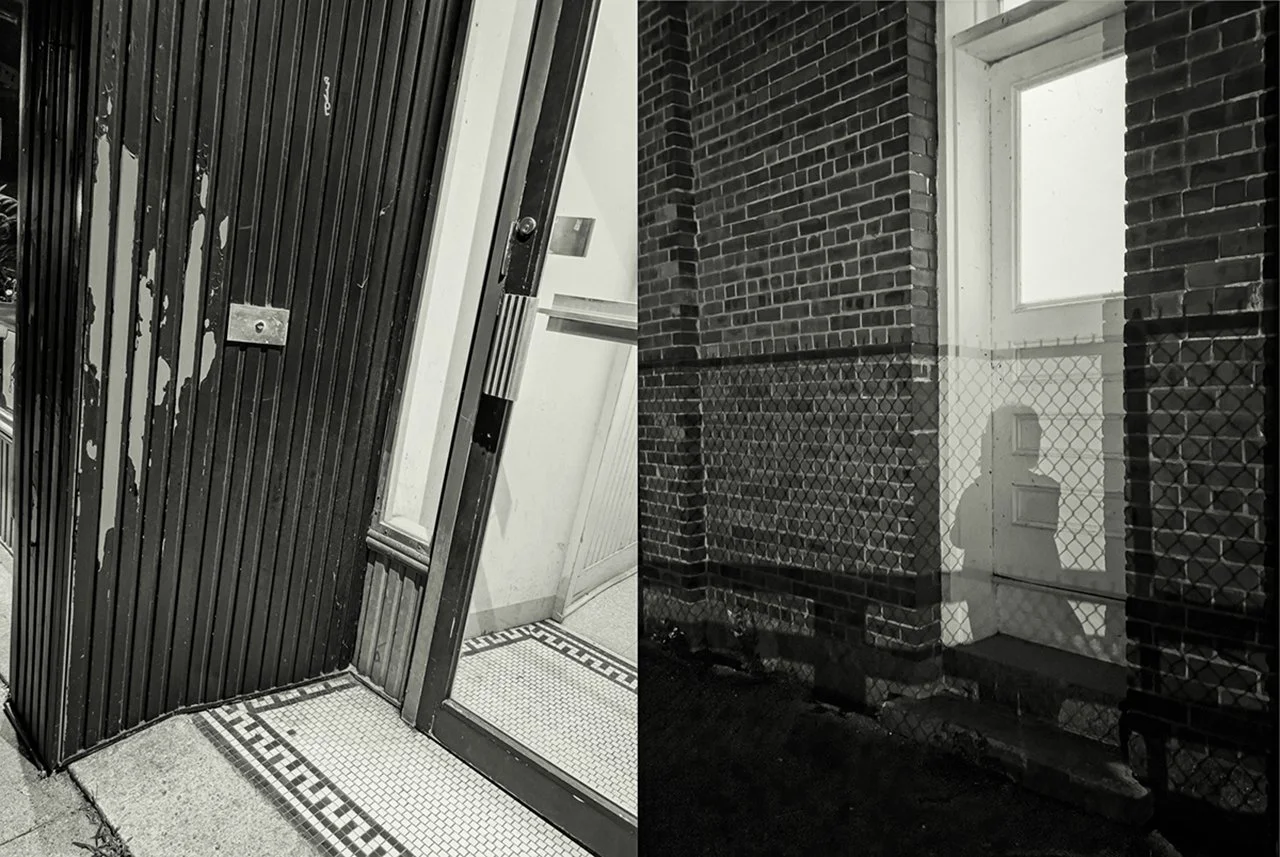
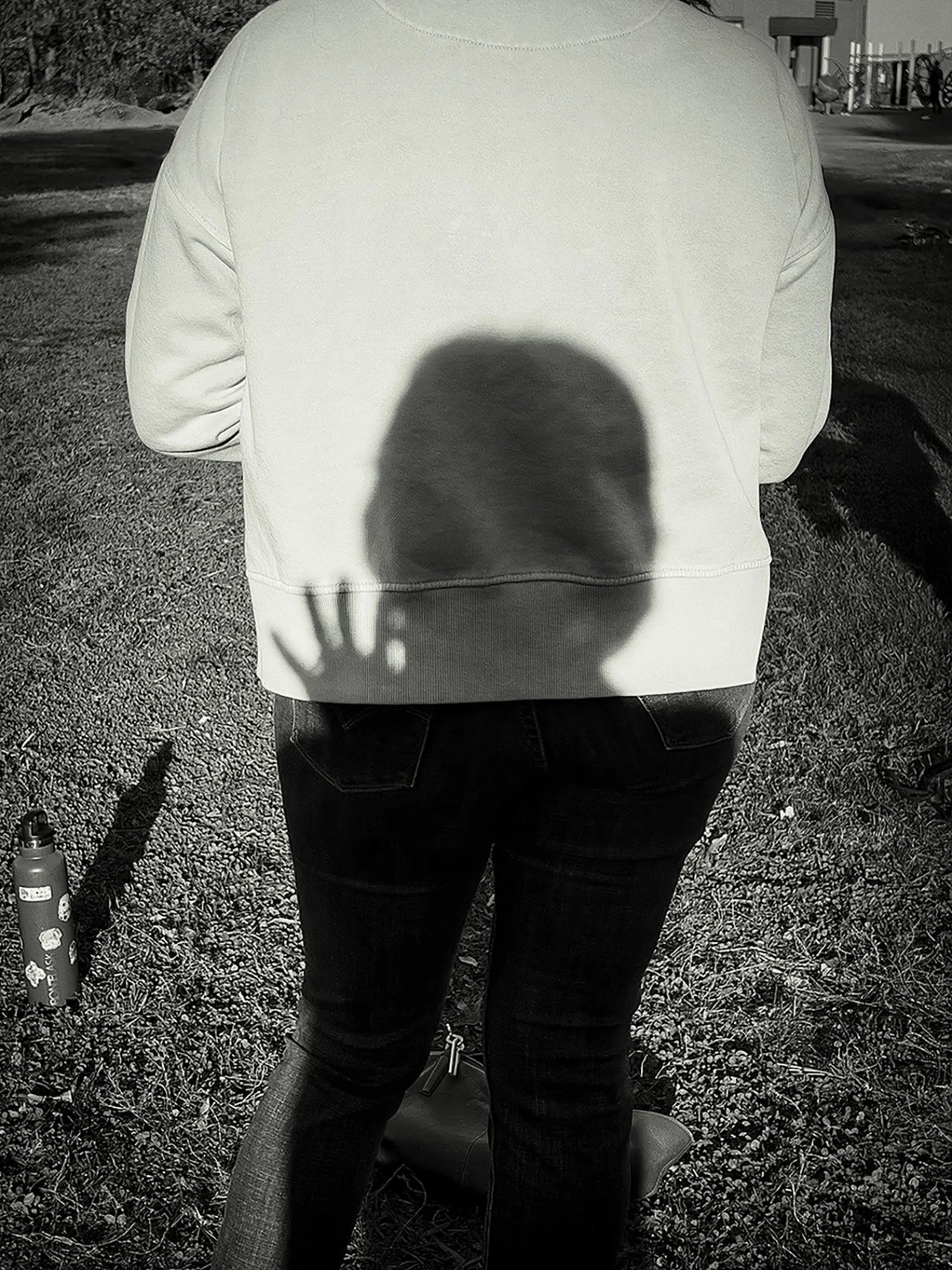
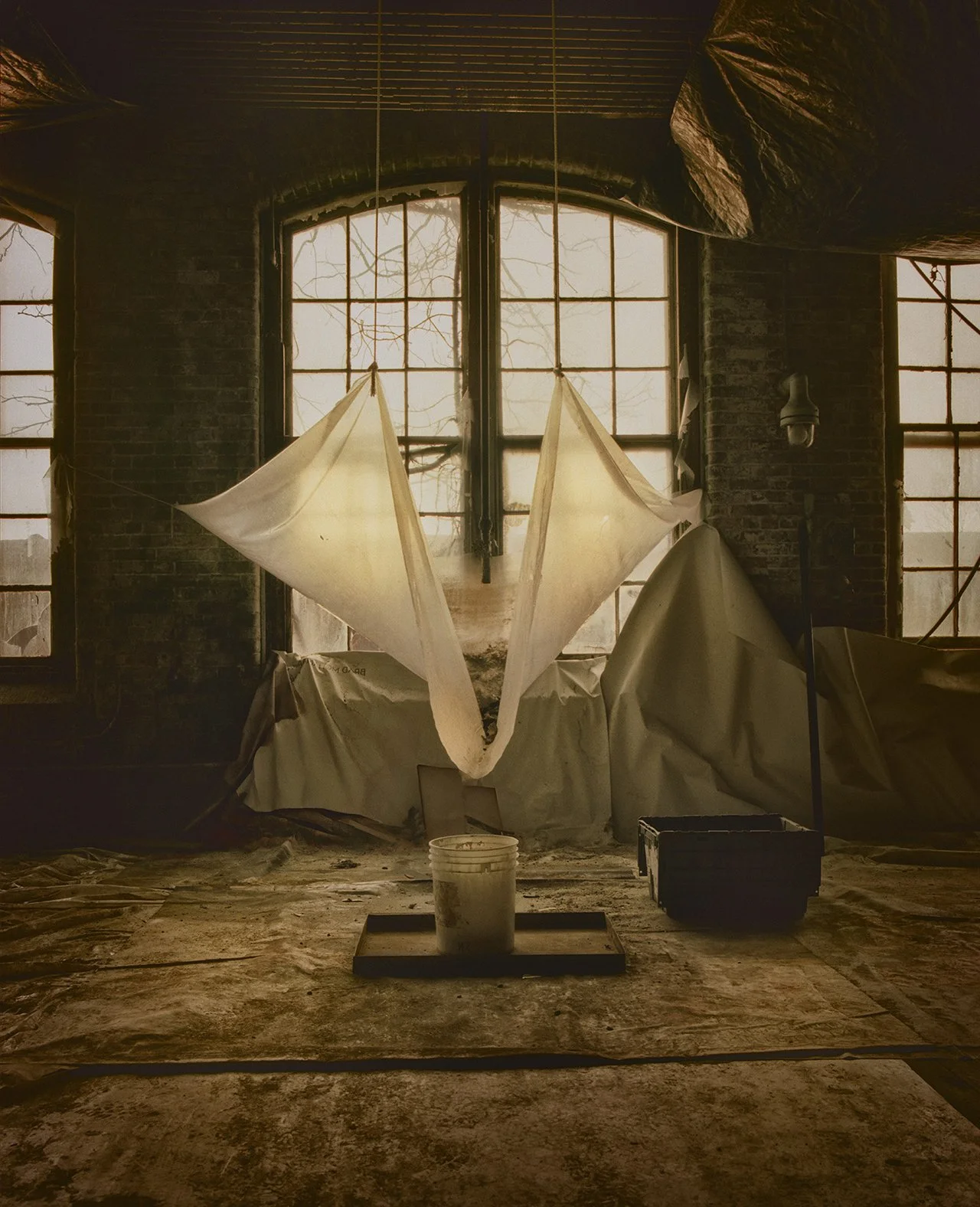
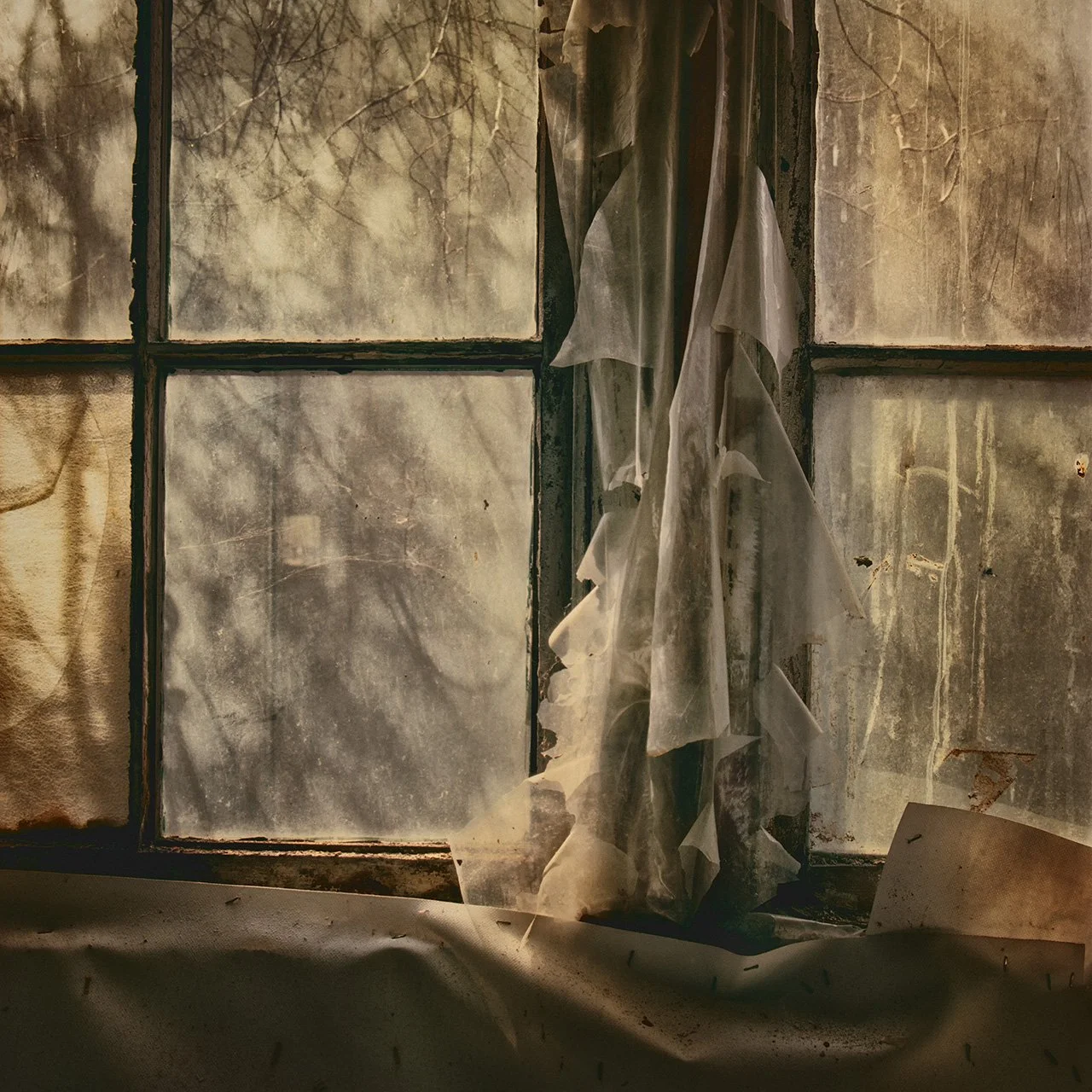
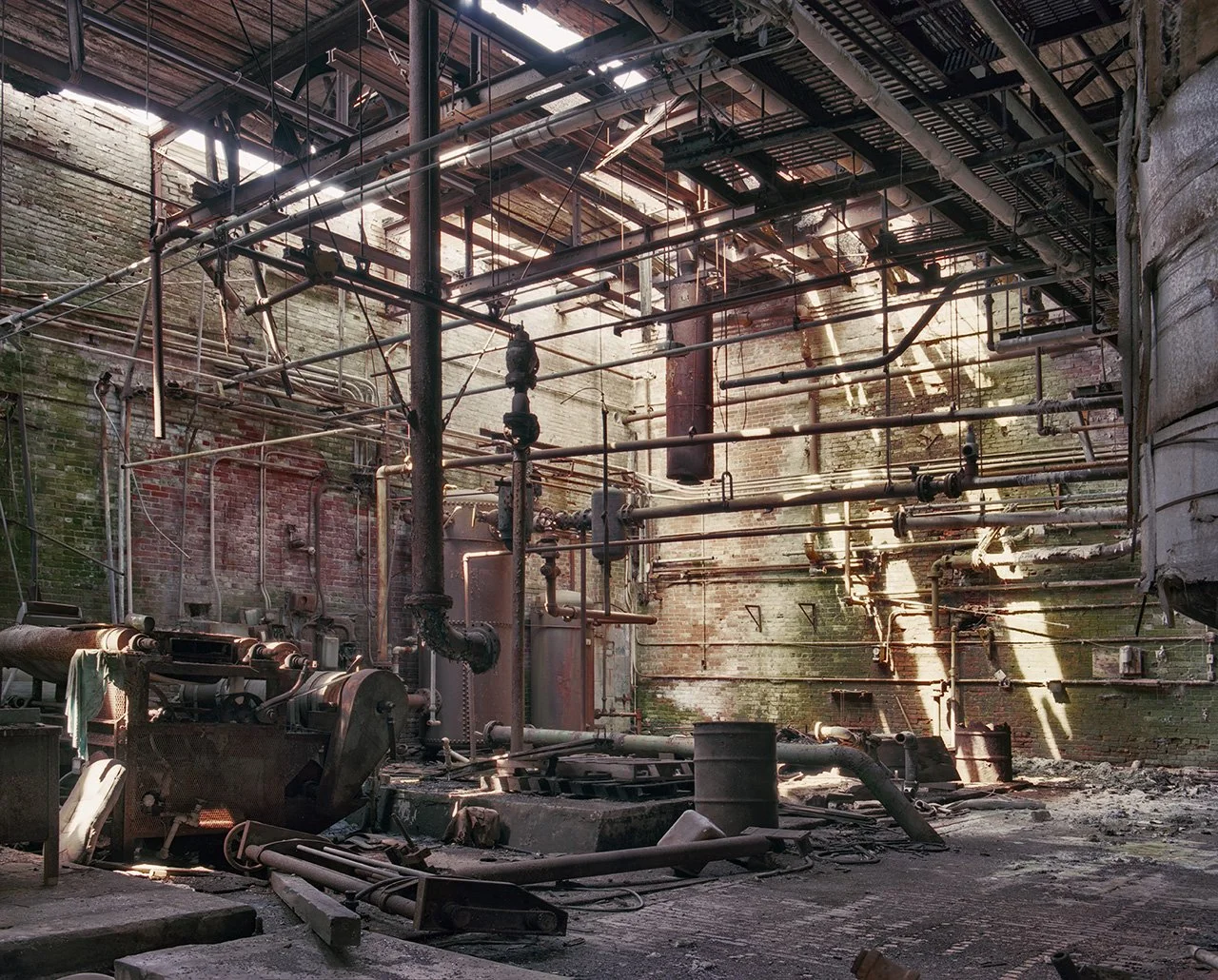
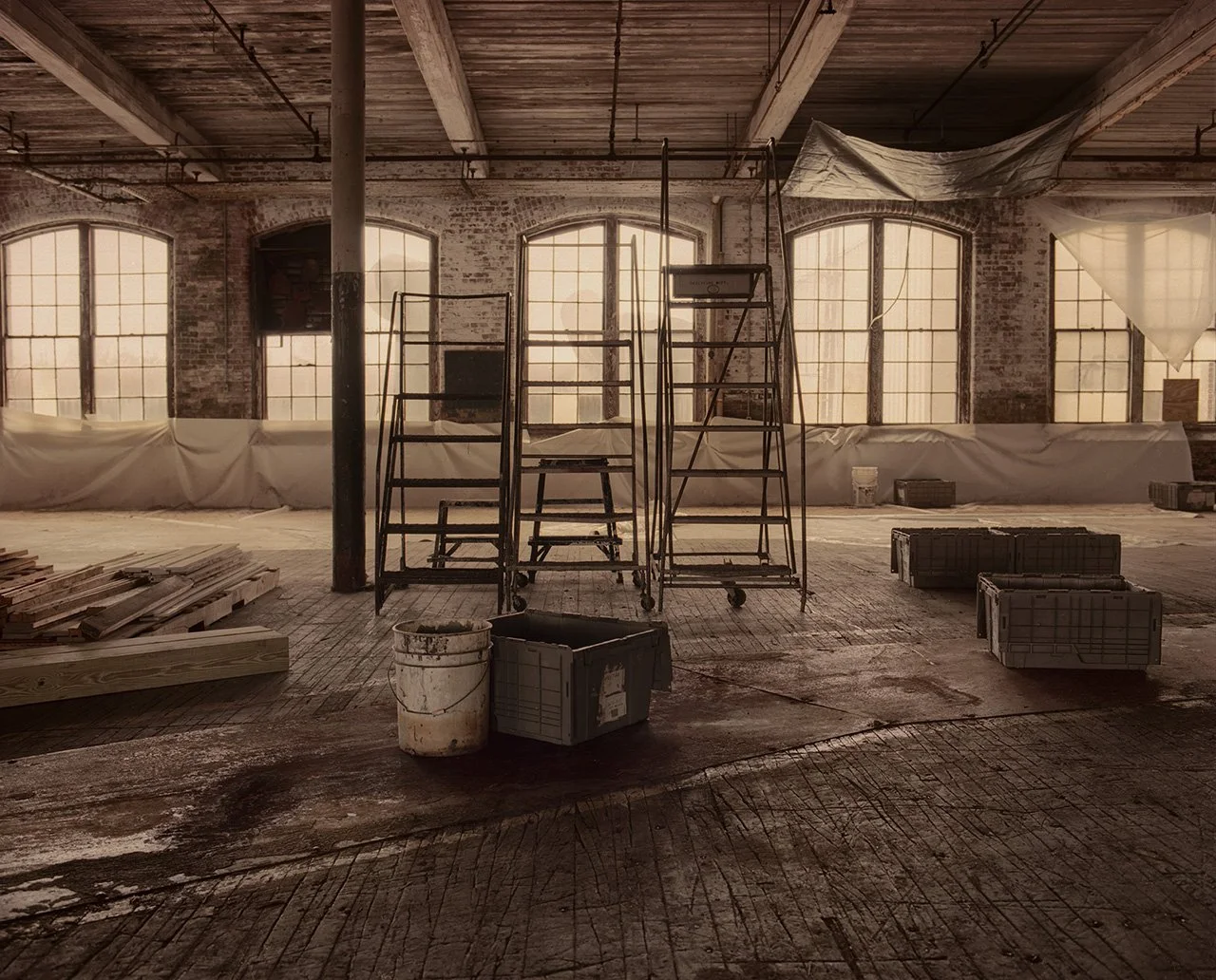
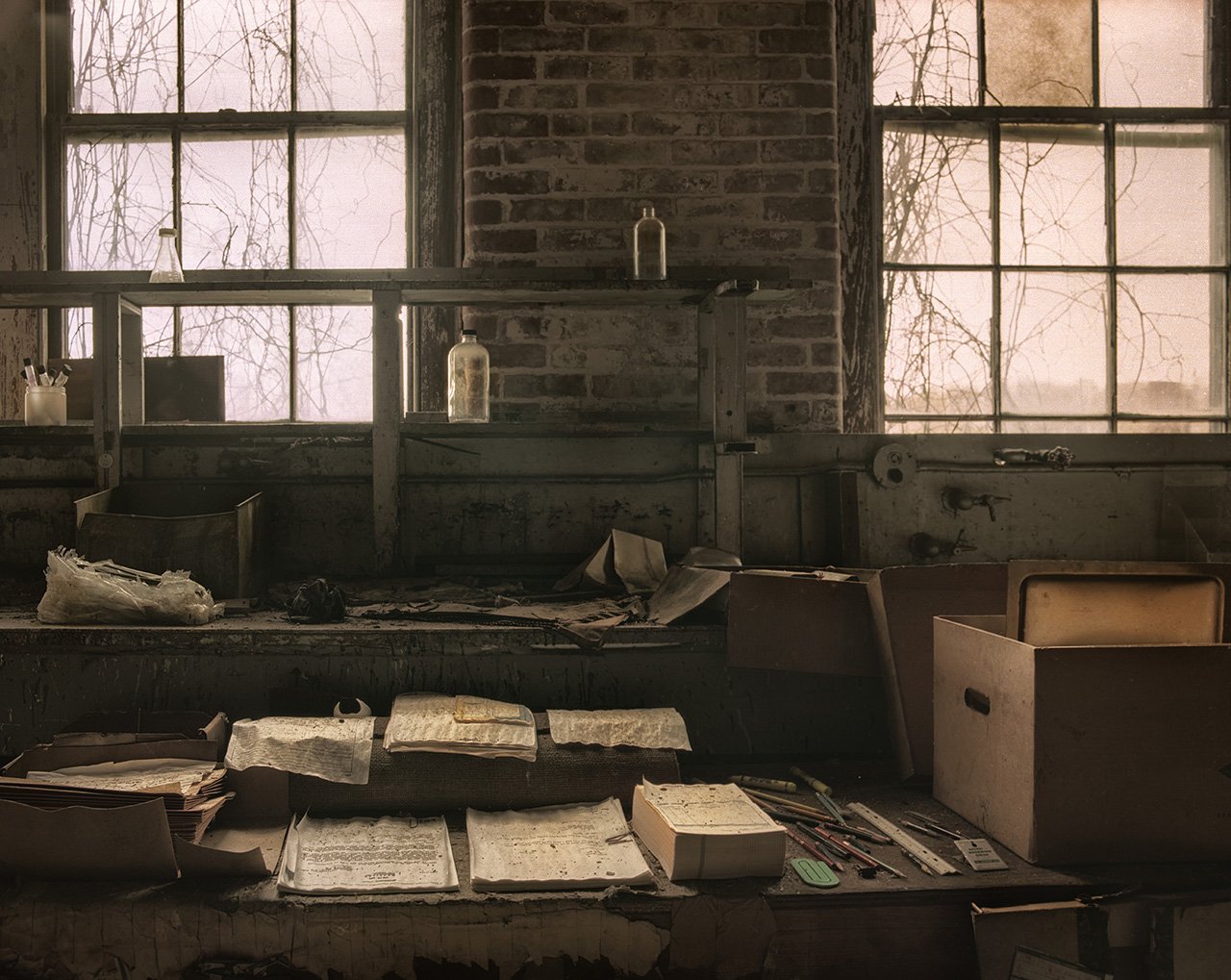
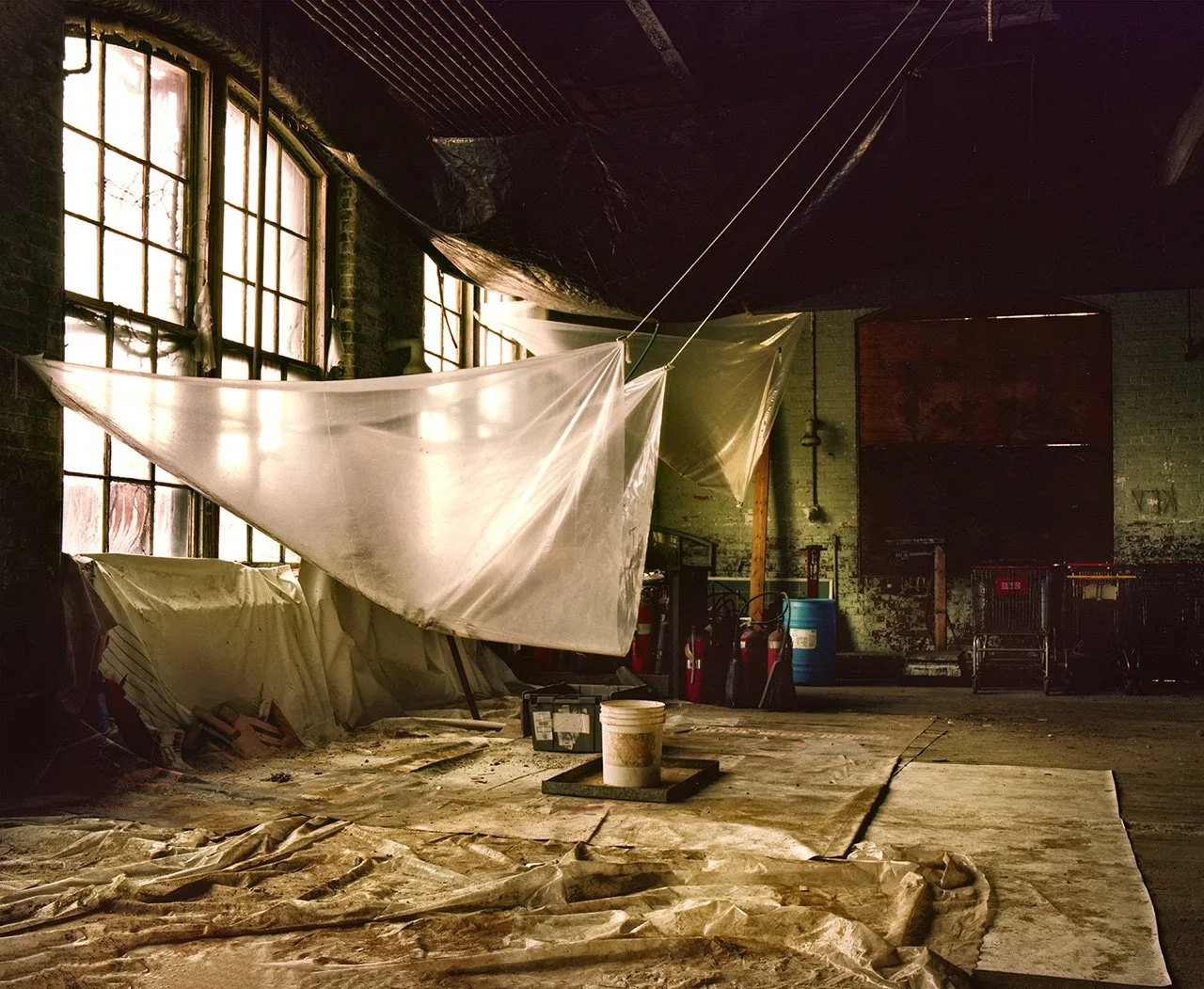
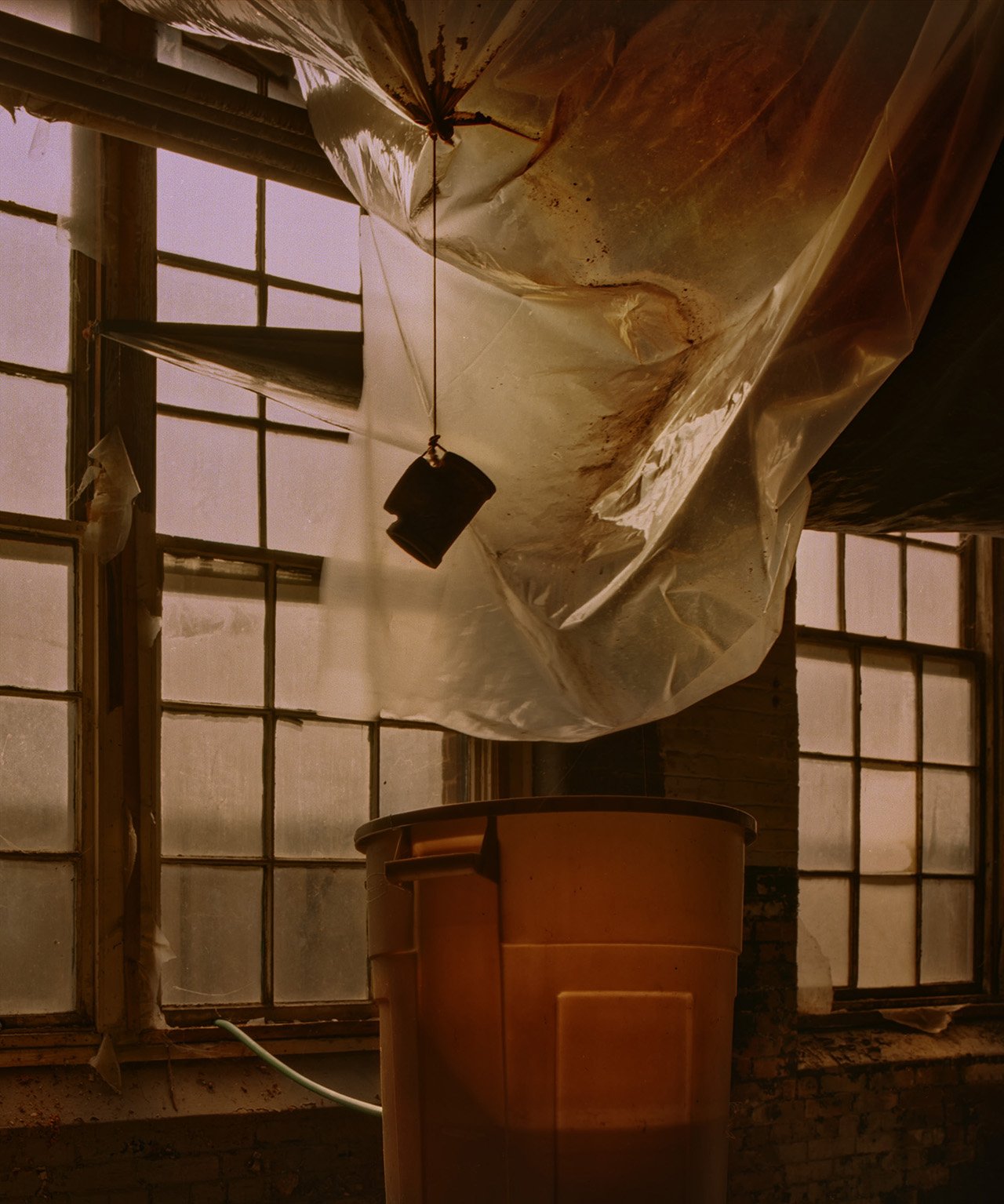
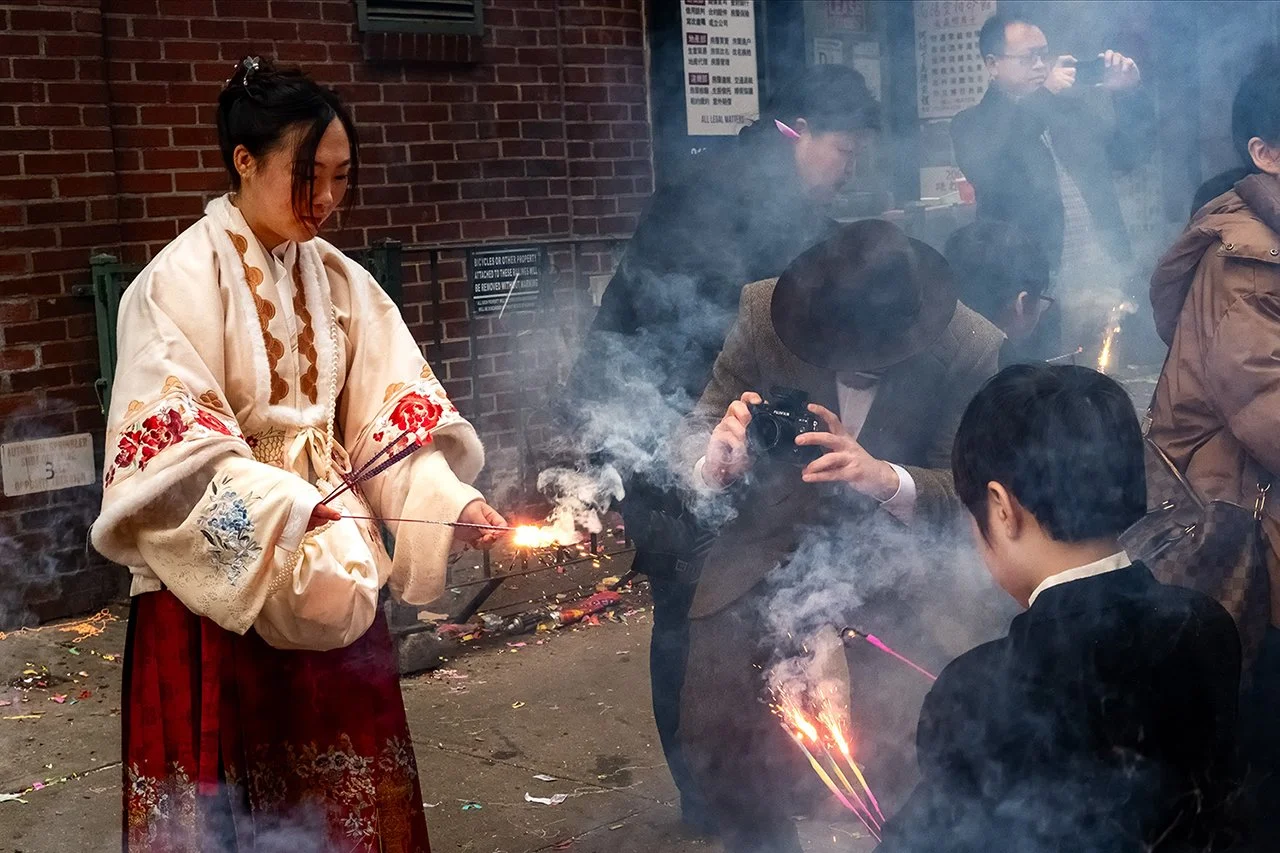
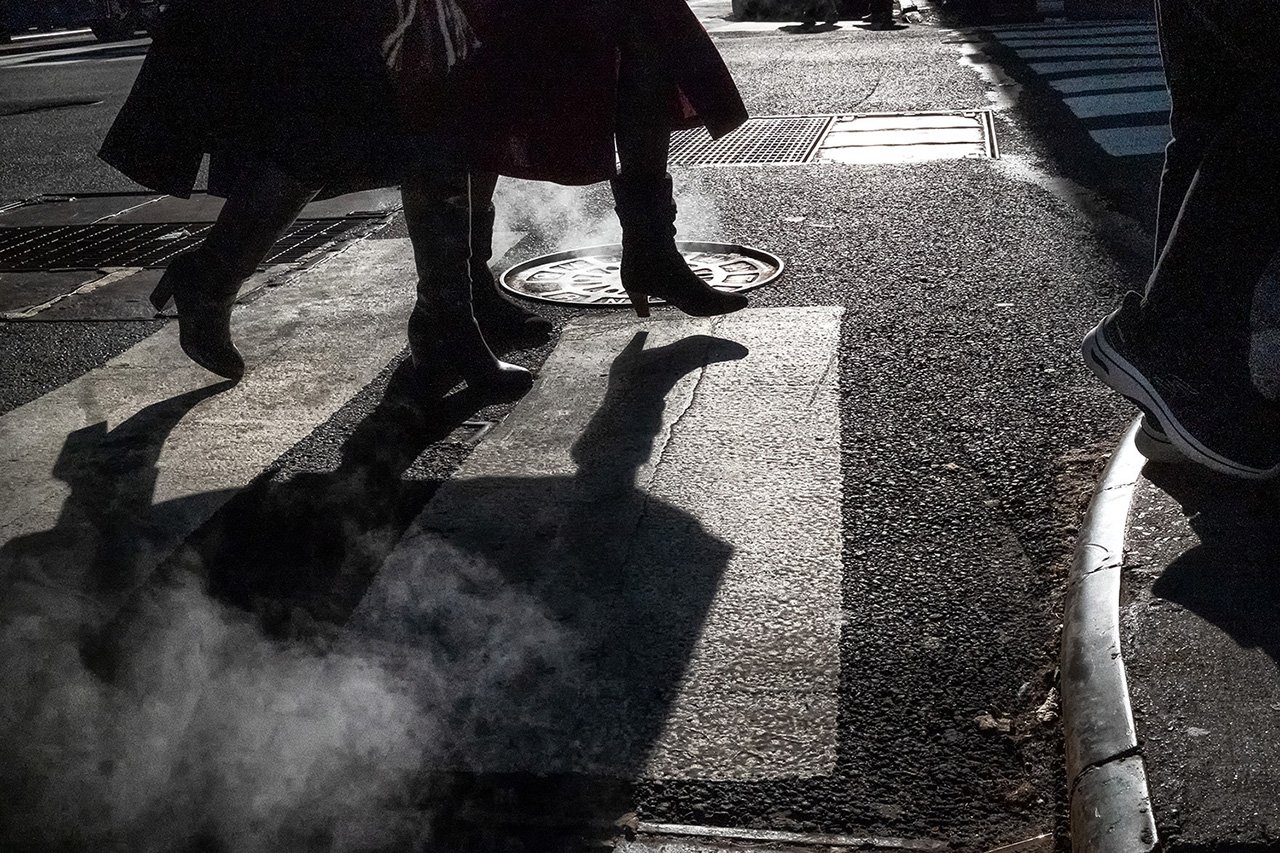
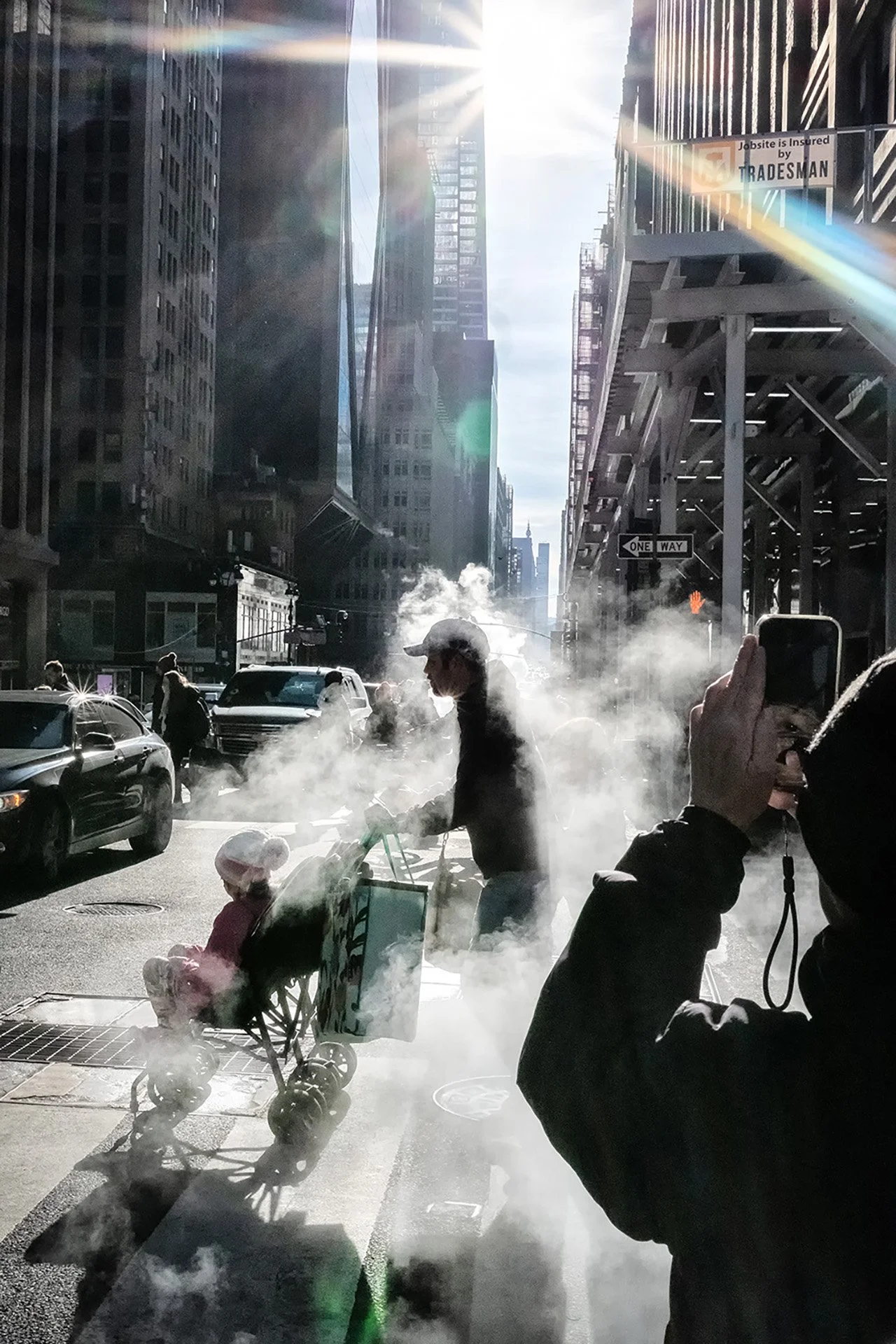
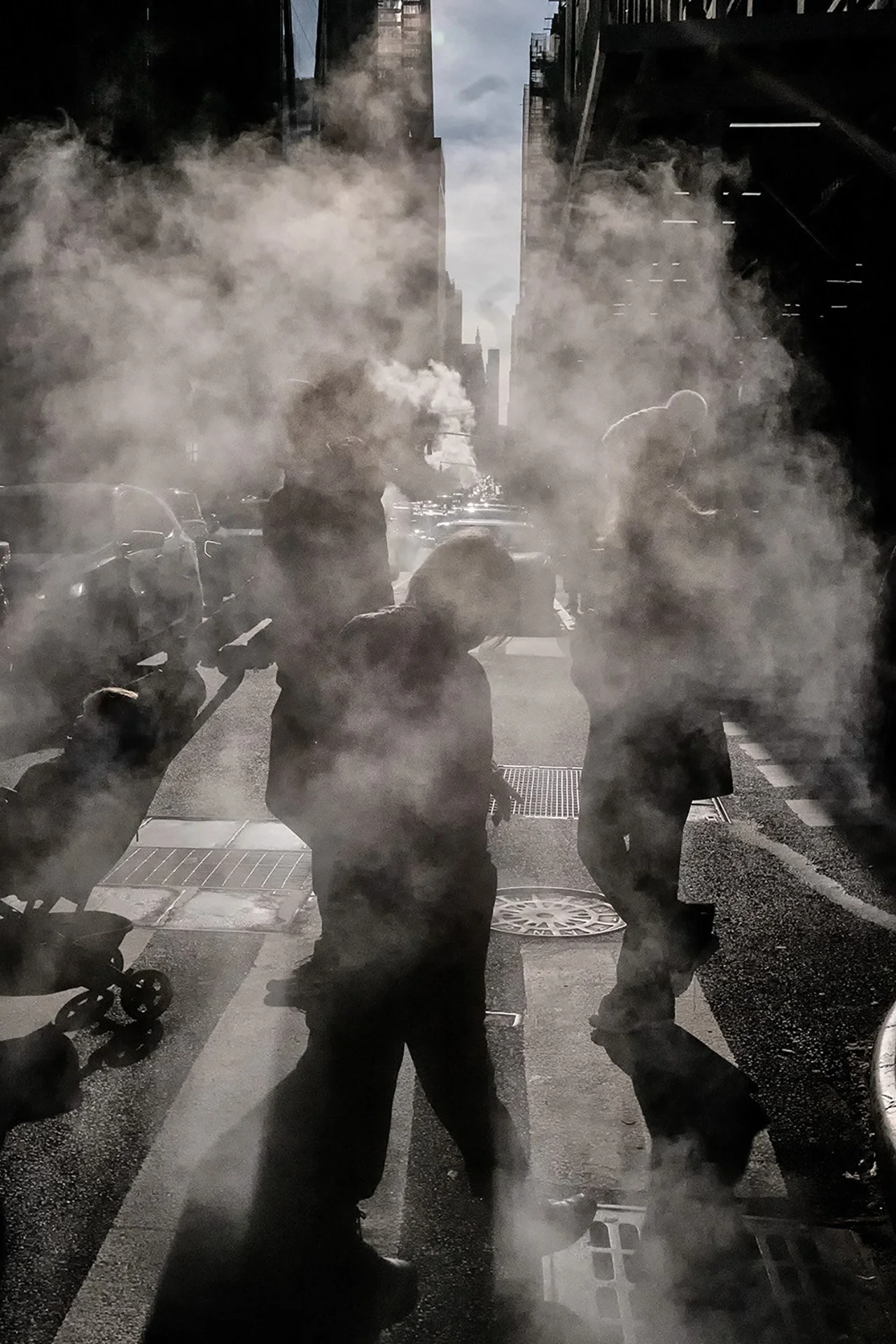
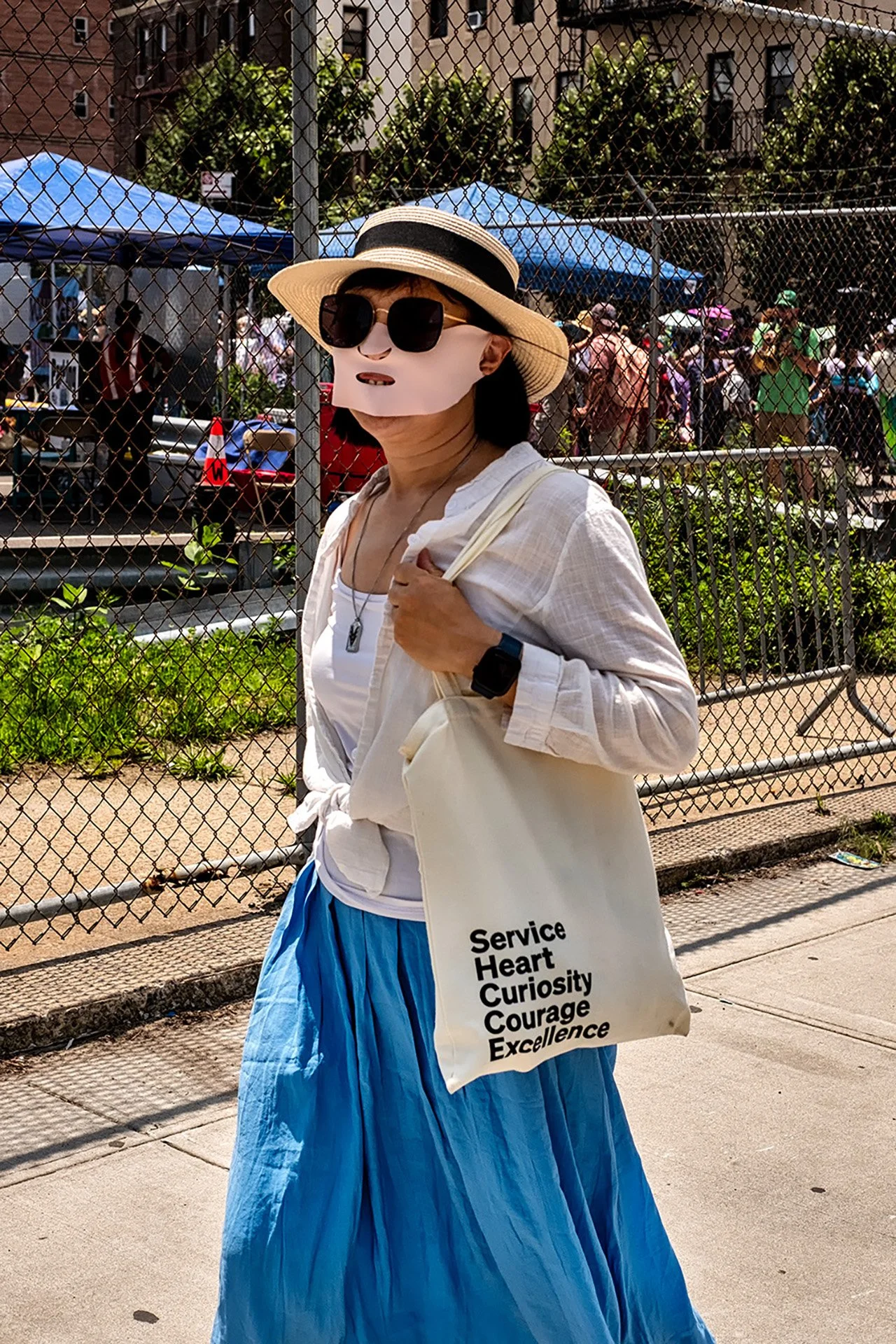
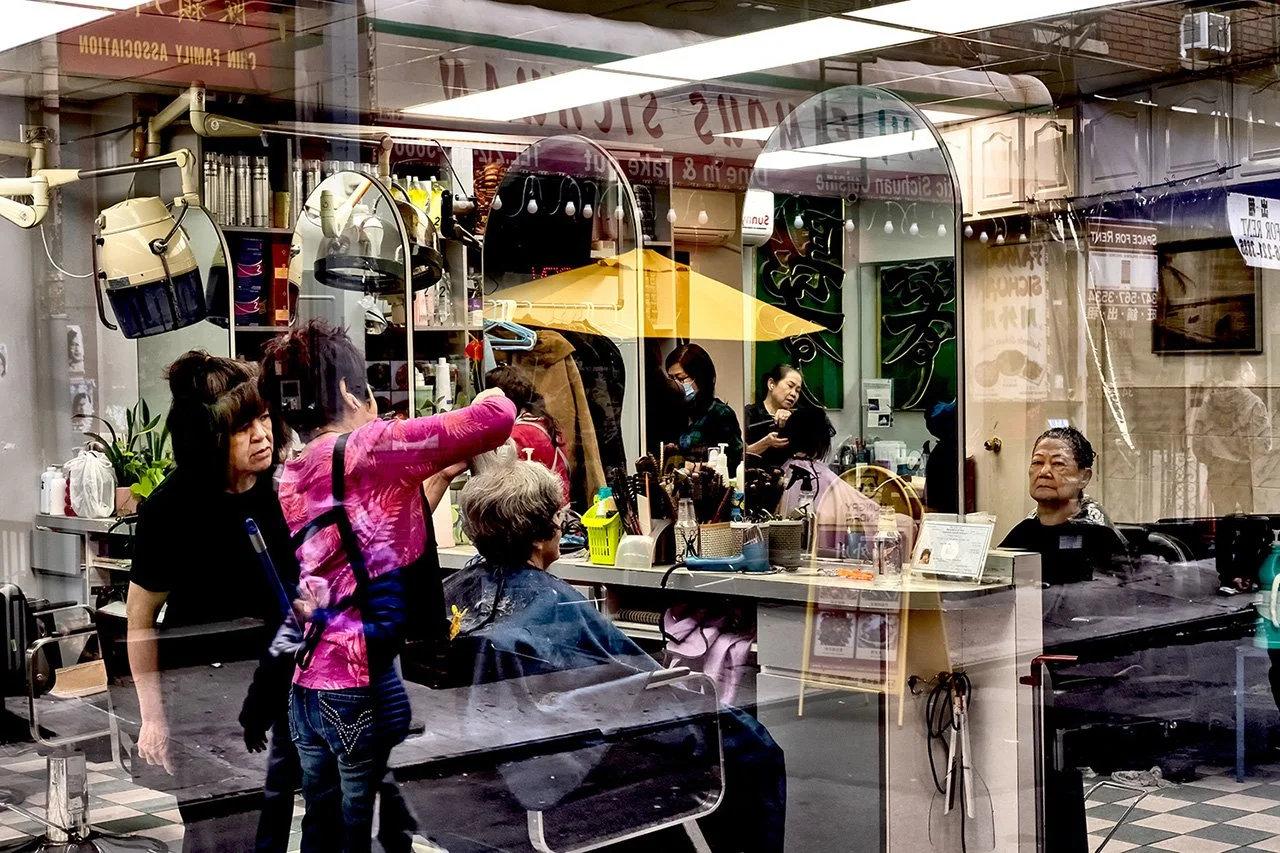
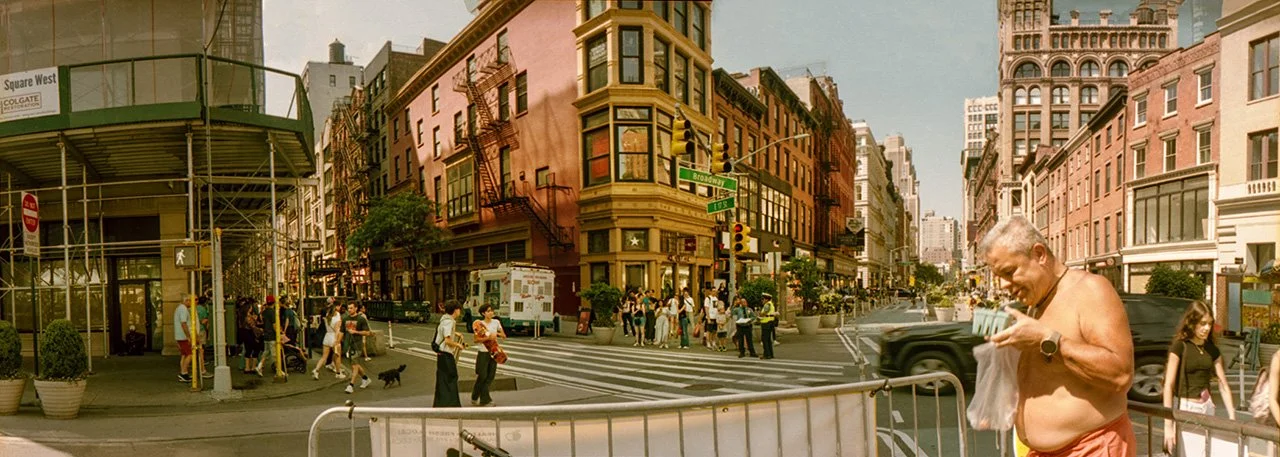
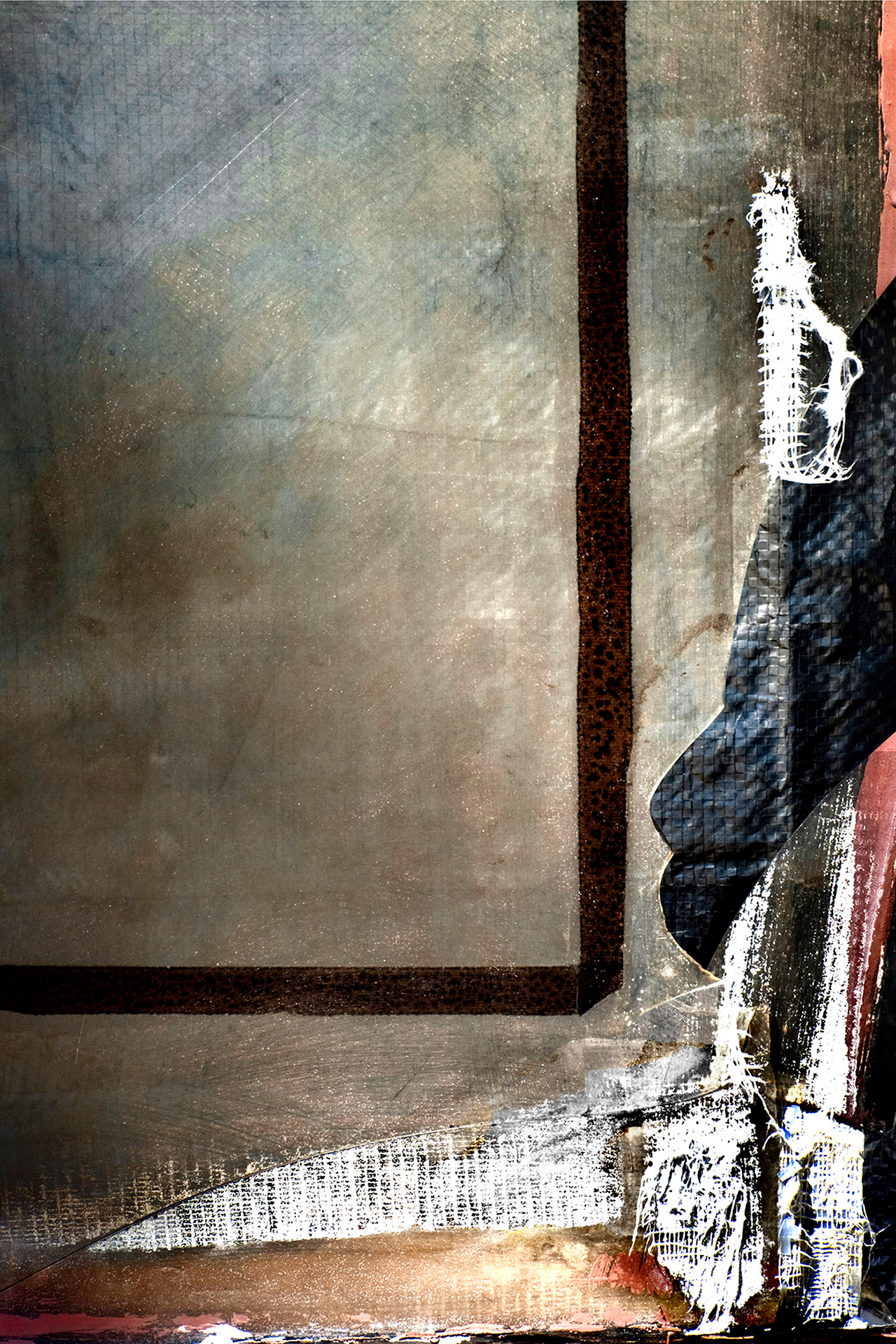
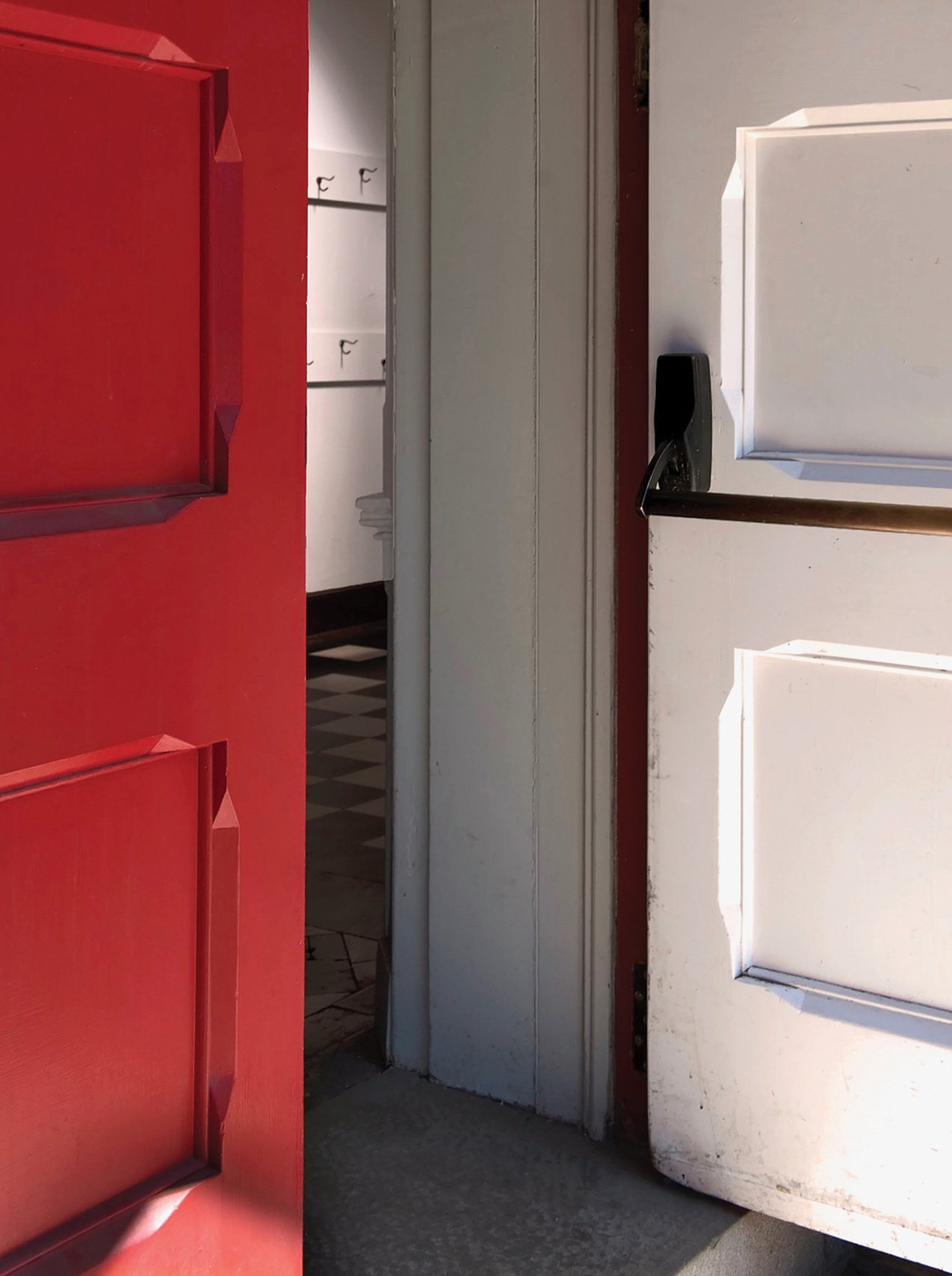
My photography follows two distinct paths: fast and slow. One path — the slow path — is photographing abandoned or distressed places with a big medium-format film camera and a tripod. This calls for careful, contemplative work, taking several minutes to choose the camera placement, to meter and focus, and occasionally to wait for the right light. The images that emerge are meditations on the slow evolution of the world: I am in a dialogue with the past, photographing events that unfold not over seconds and minutes but over years and decades. Yet even when working in this deliberate, unhurried way, I feel a sense of spontaneity: when the moment is just right I am ready to seize it. The second path is street photography using a small digital camera. I decide my settings beforehand and let the camera make its own adjustments. I immerse myself in the moment, trying not to think but simply flow, reacting to fleeting gestures, expressions, and chance arrangements of light and shadow that flicker into existence like virtual particles and then as quickly vanish. Yet even when the world is an infinite mad dance I try to work slowly, as if slowing time itself, to wait for the moment when forms, colors, expressions fall into place just so.
Recently a third path has emerged, in which I try to capture fast moments with slow processes, like an excursion into an imaginary universe that crosses reality at an angle.
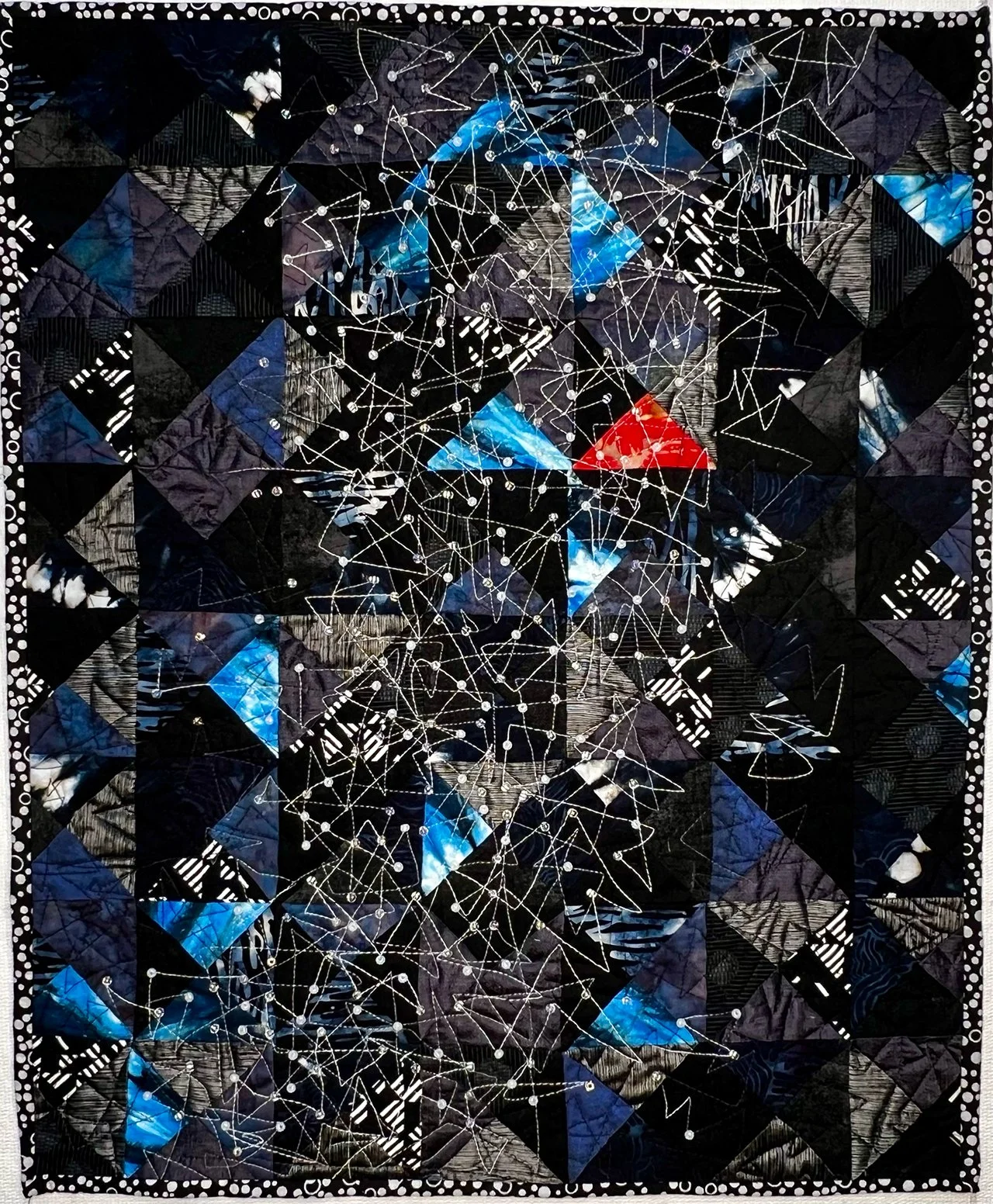
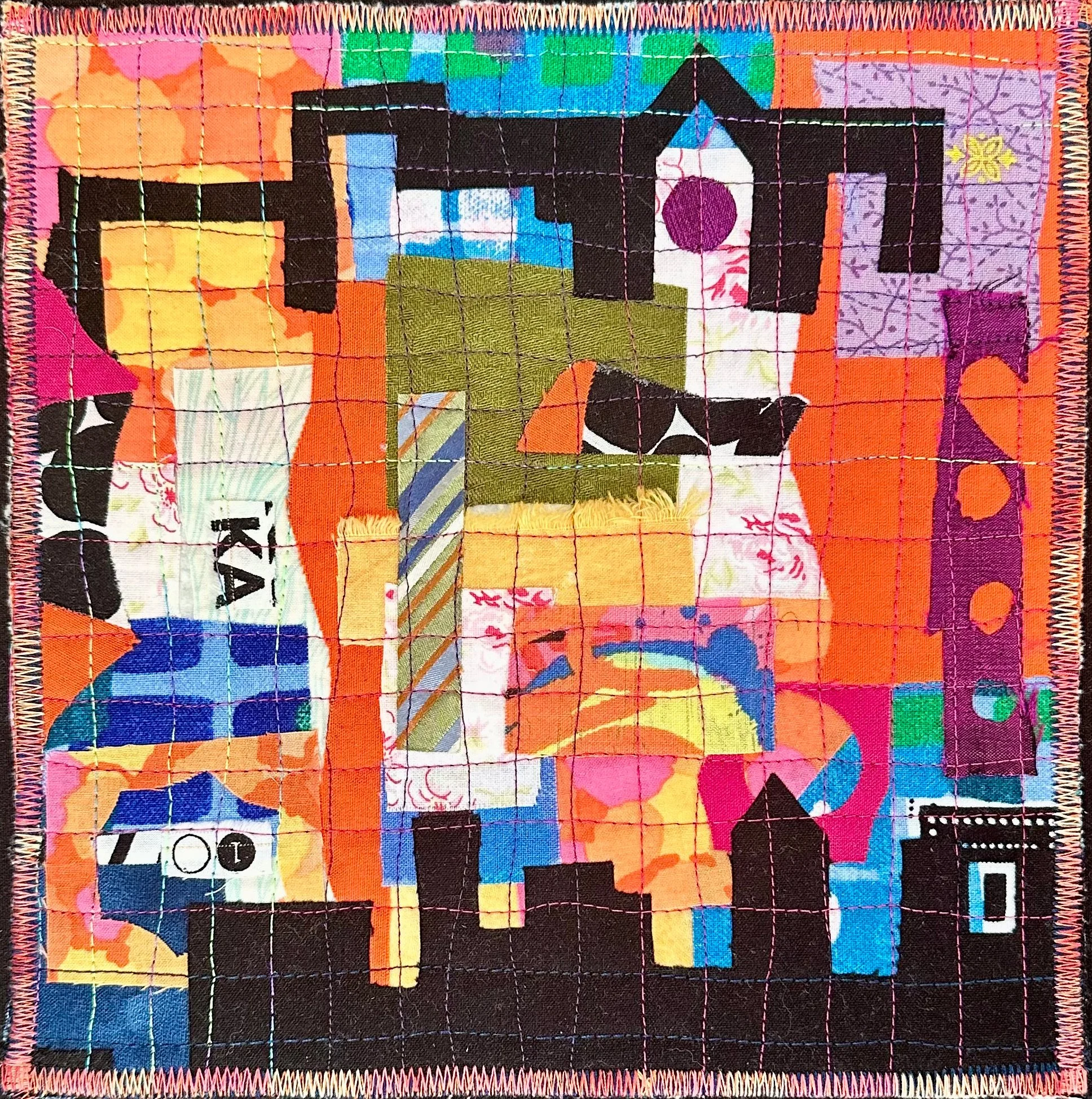
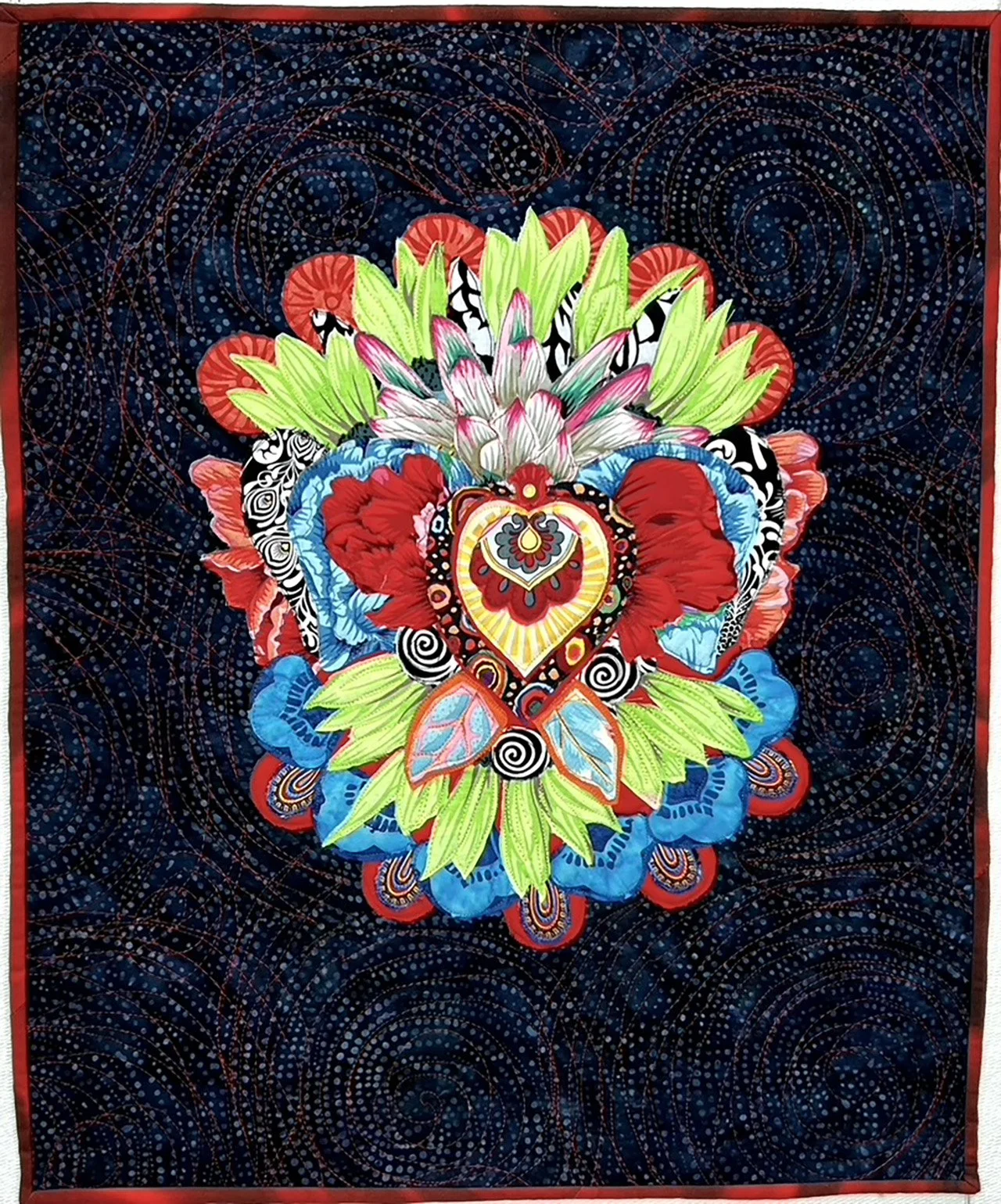
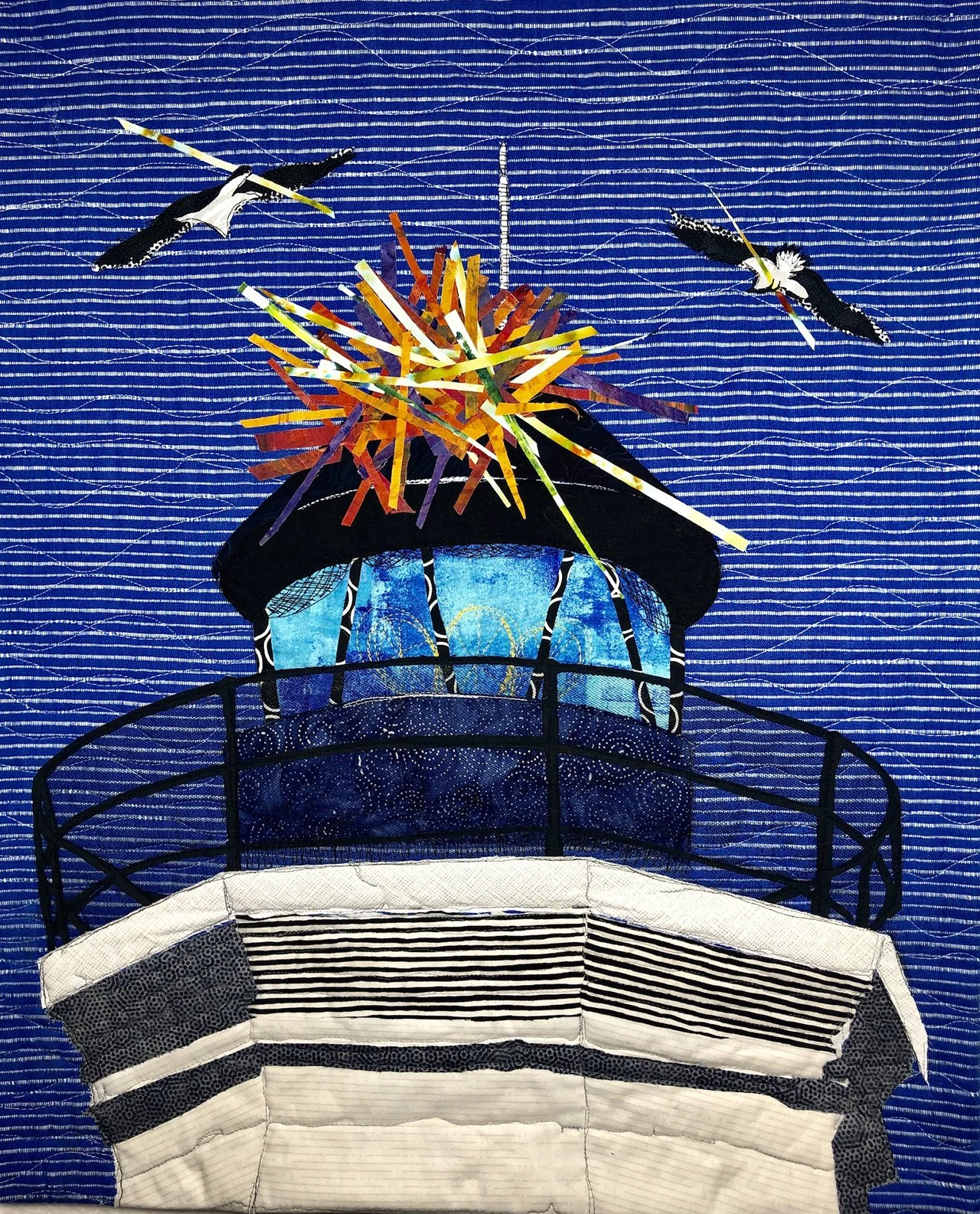
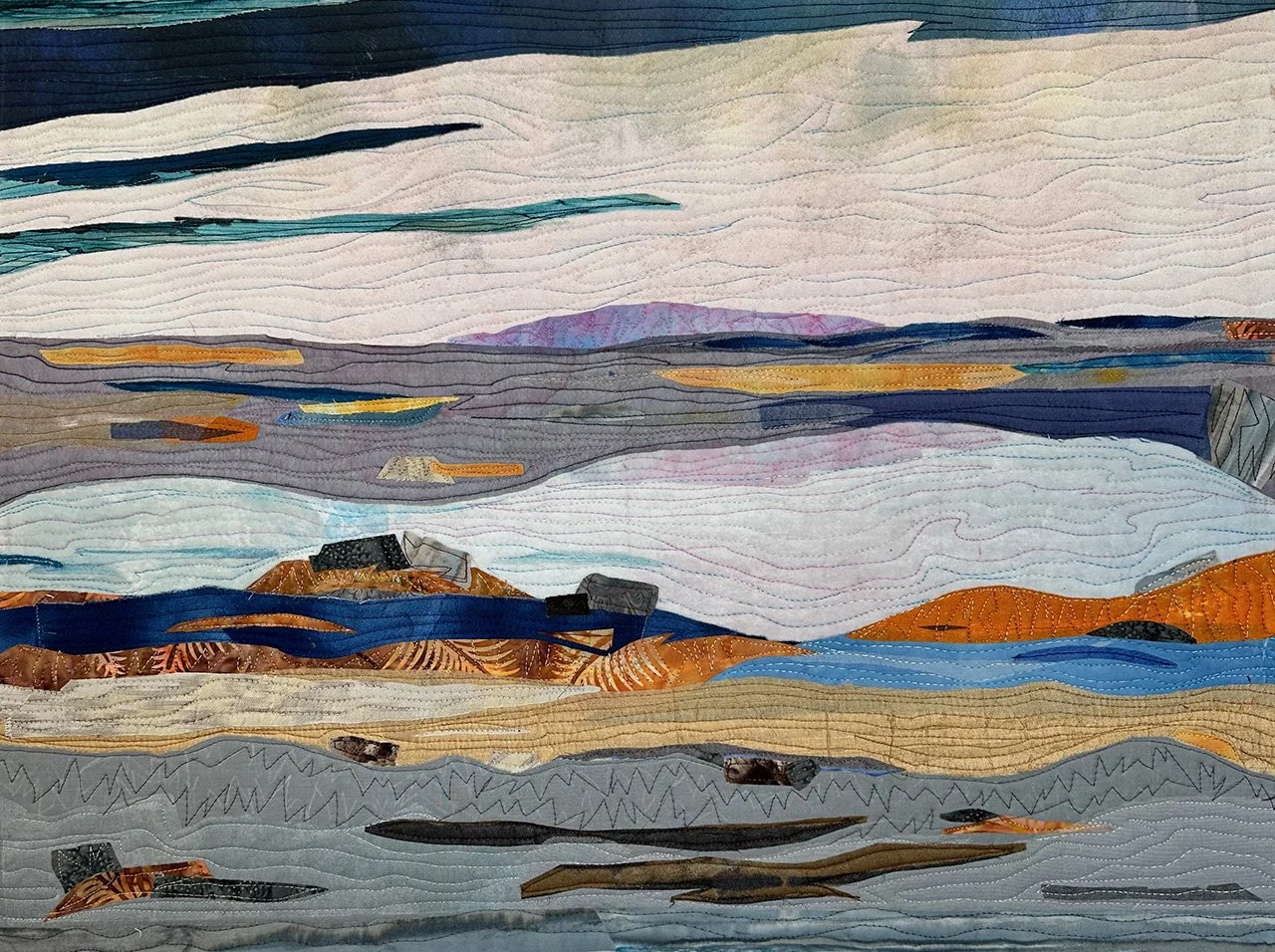
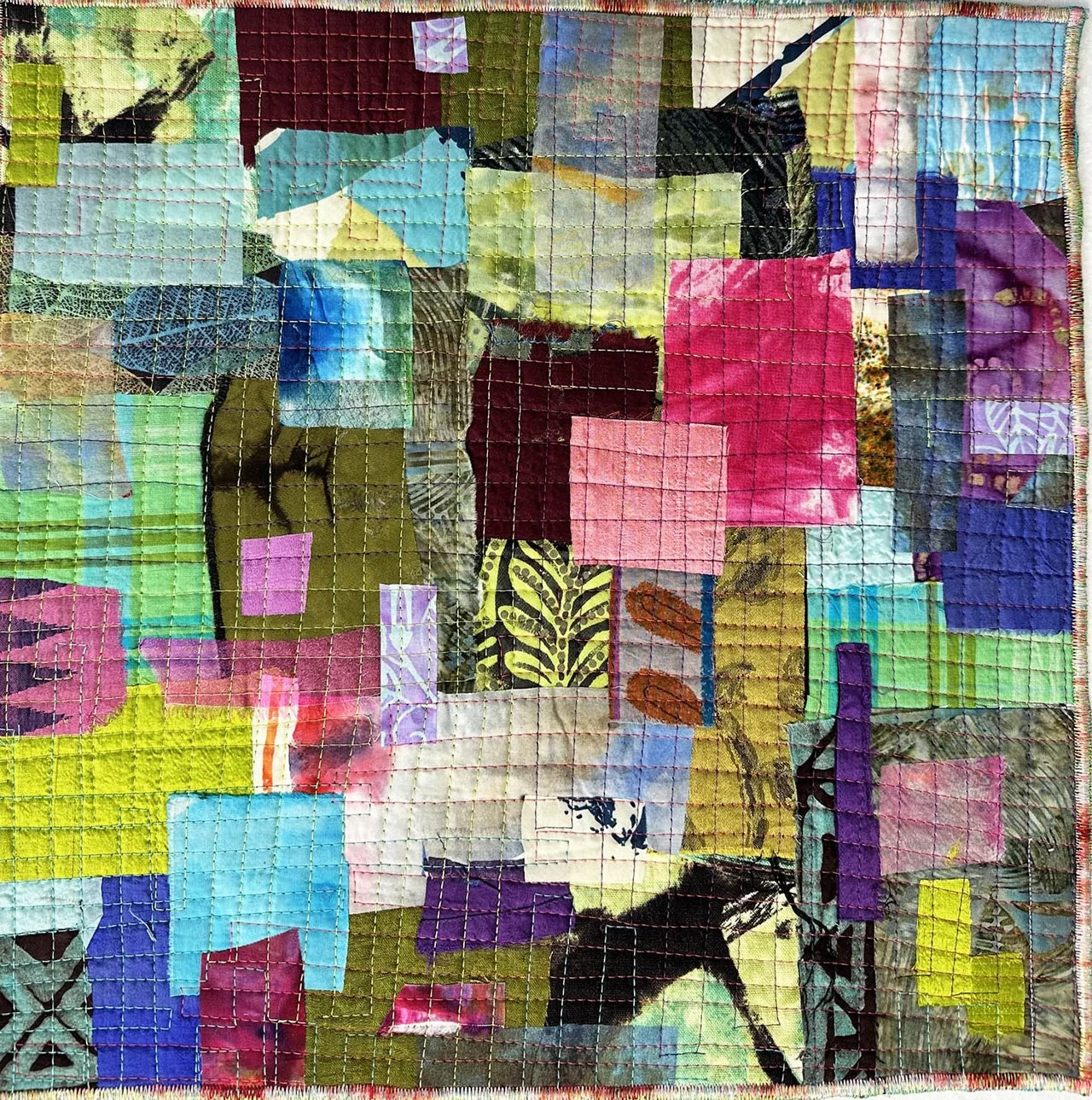
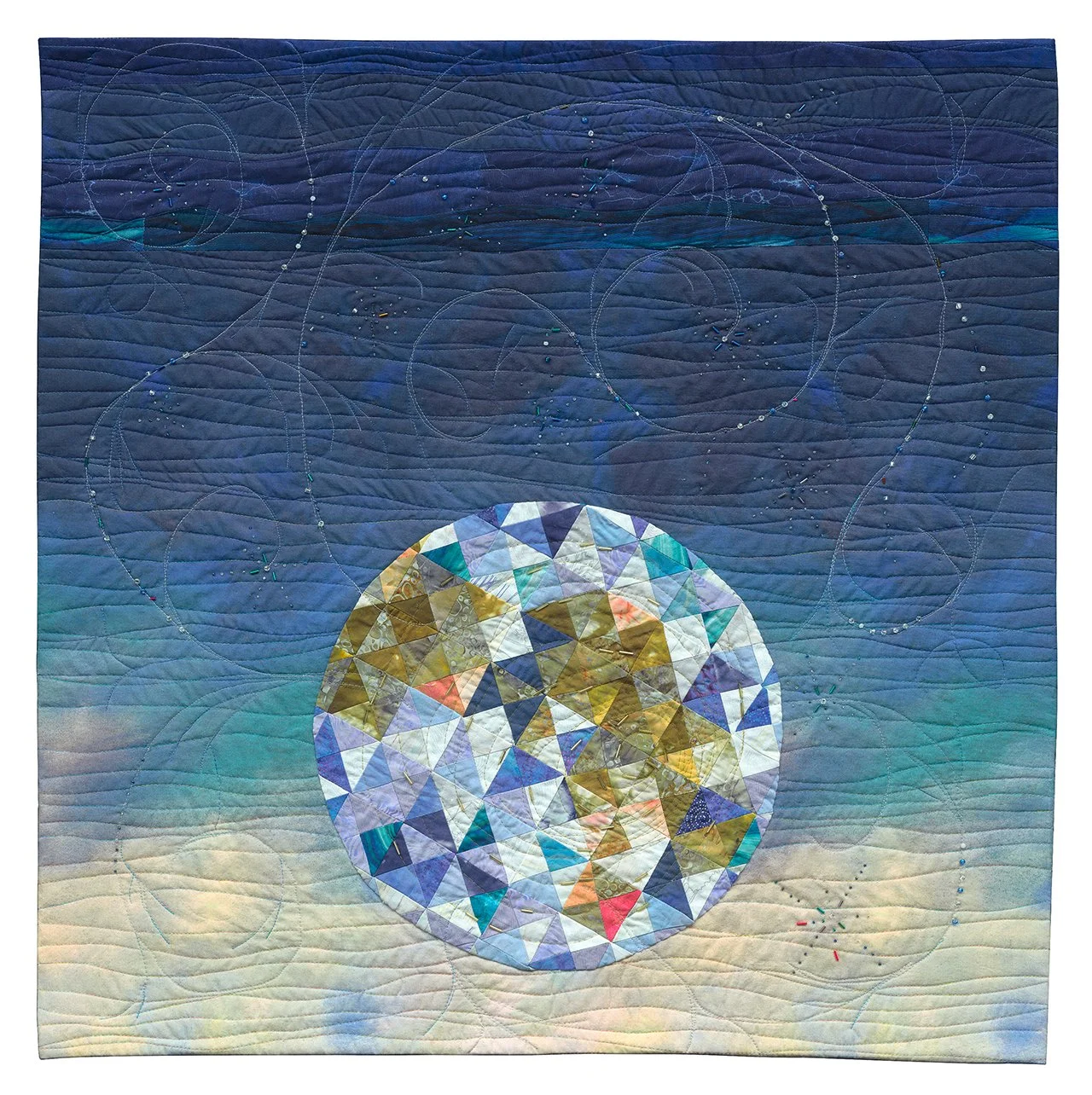
My lifelong love of art has found its expression in fabric. I revel in the simple act of placing one fabric next to another. I am attracted to the endless possibilities offered by the materials and techniques. When I relax into the flow of movement and sewing, I know I am in the zone where all possibilities exist.
The art quilt's main focus is shape. Pieces of cloth are cut into shapes, and these are arranged intuitively, then sewn in place as in the exploration of abstract art. Some of my work is representational where the process of arranging is more deliberate to create an illusion of a specific subject. The composed quilt top is then layered with batting and backing, and the improvisational process of machine quilting begins. The resulting stitched lines crisscross and radiate around the shapes, enhancing the composition with texture and emphasis.
Inspiration comes from various sources, both visual and intellectual. Sometimes an idea just bursts into my mind, and I can’t rest until it is transformed into a textile interpretation. My iPhone is a trusty companion for documentation. It records interesting bits of the world around me, revealing curious combinations of color, shape and line. With ideas and visual stimulation to inspire me, I find the meaning in doing. This makes my passing sensations and ideas tactile and permanent. My hands show me the way.
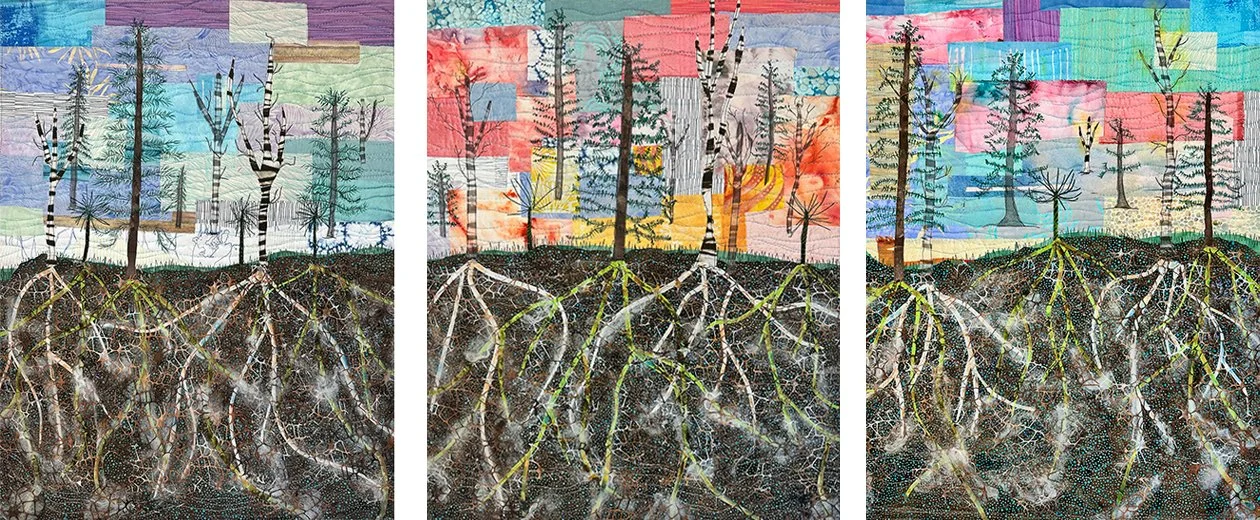
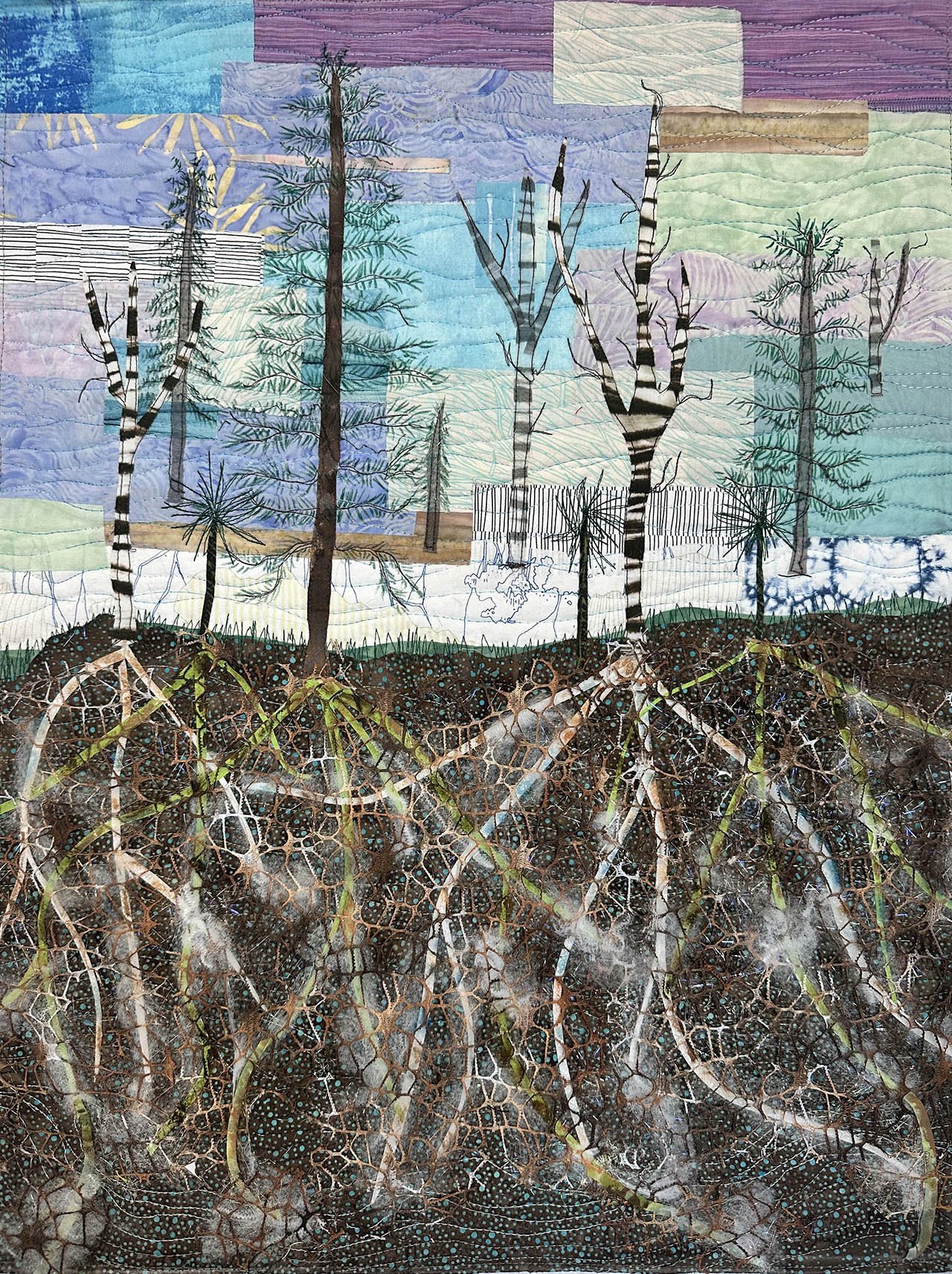
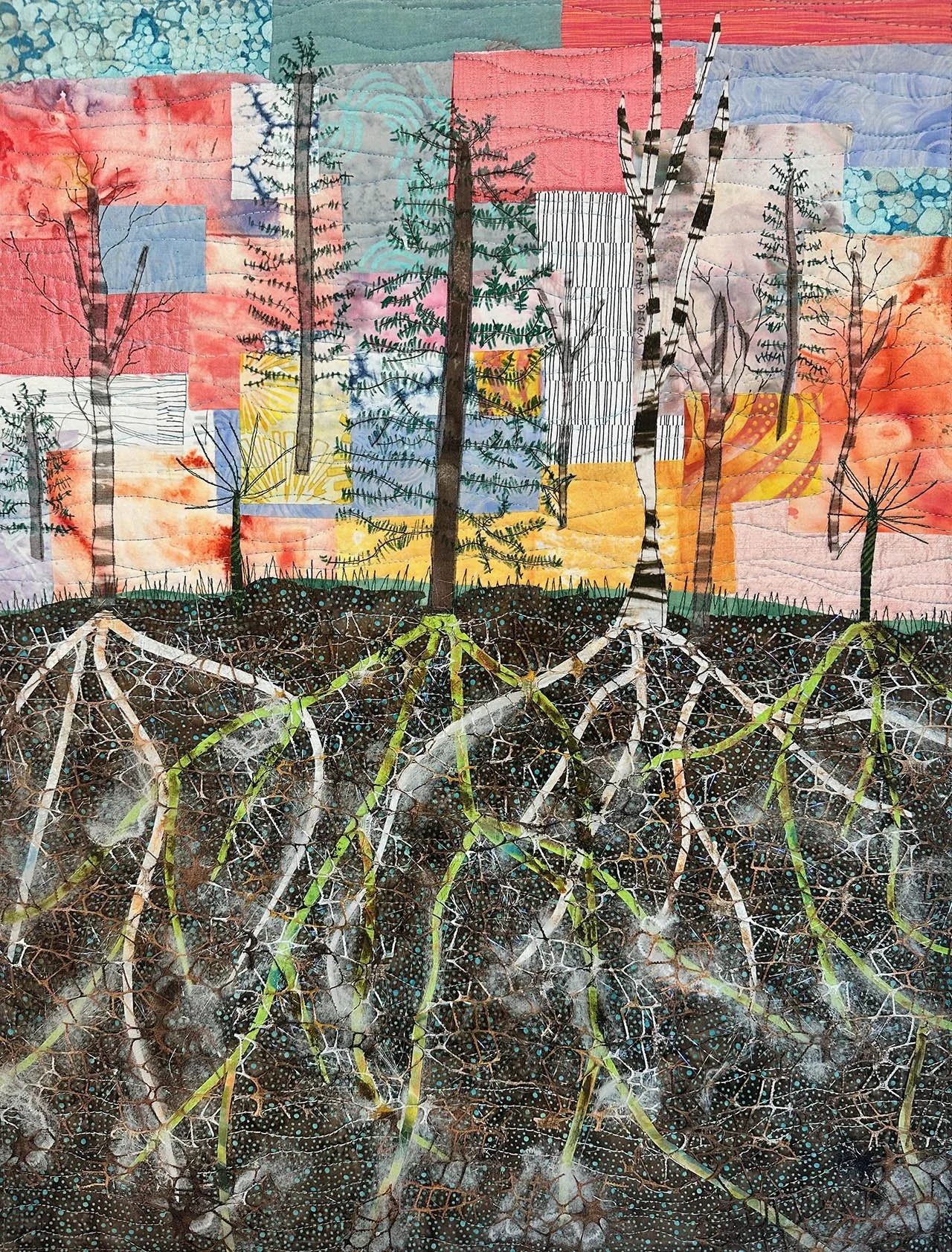
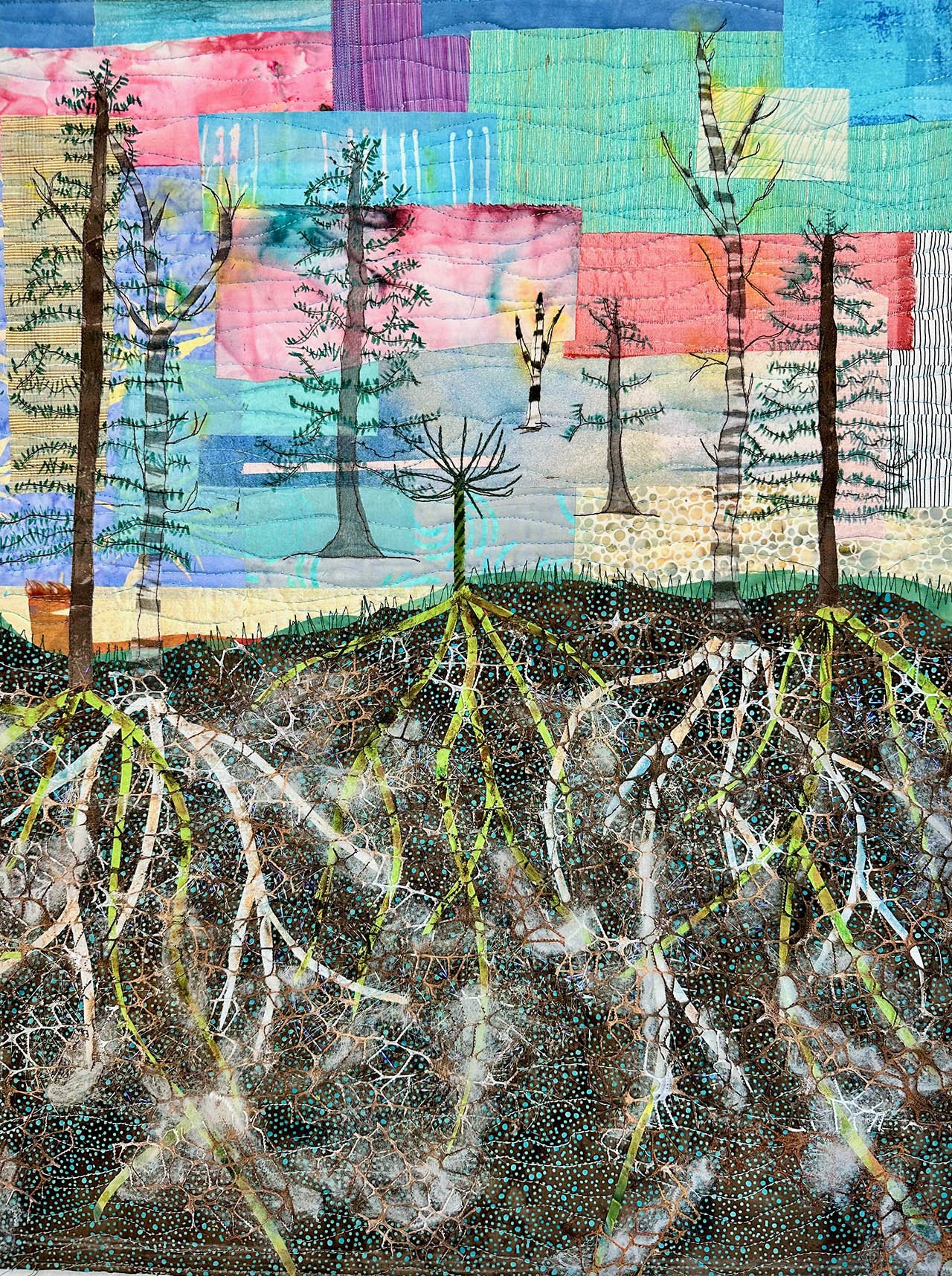
Rita Daley Hannafin tells stories by combining various textiles, stitch, paint, collage, and digital imagery in her art quilts.She discovered the art quilt after moving to CT in 2004, combining a lifelong love of art with her passion for textiles. Since then, her work has explored landscape, climate change, politics, personal stories and abstraction.
READ: Artist Listens to the Trees by Brian Slattery
- - - - -
Rita is currently a member of Studio Art Quilt Associates, the Black Rock Art Guild, and City Gallery in New Haven. Her work has been shown in juried exhibitions at the Slater Museum, Norwich, the Whistler House Museum of Art, Lowell, MA, the Bruce S. Kershner Gallery in Fairfield, The Greenwich Art Society 107th Juried Art Exhibition, and was a second-place winner at the Stamford Art Association’s Faber Birren Annual Color Show. Her work is included in the National Registry of Quilts. Studio 2 is her attic studio where the fun, frustration, and sometimes magic happens.
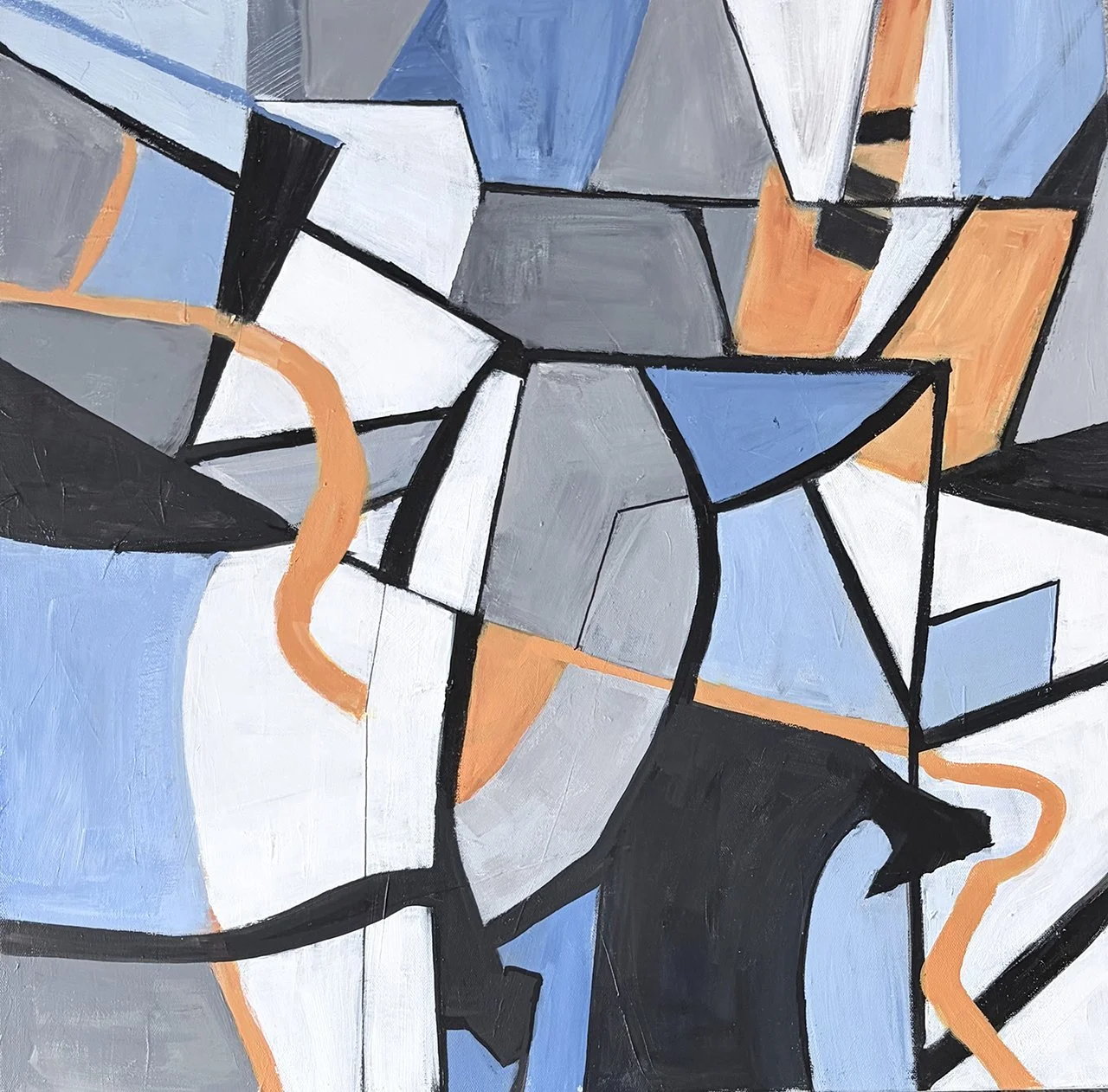
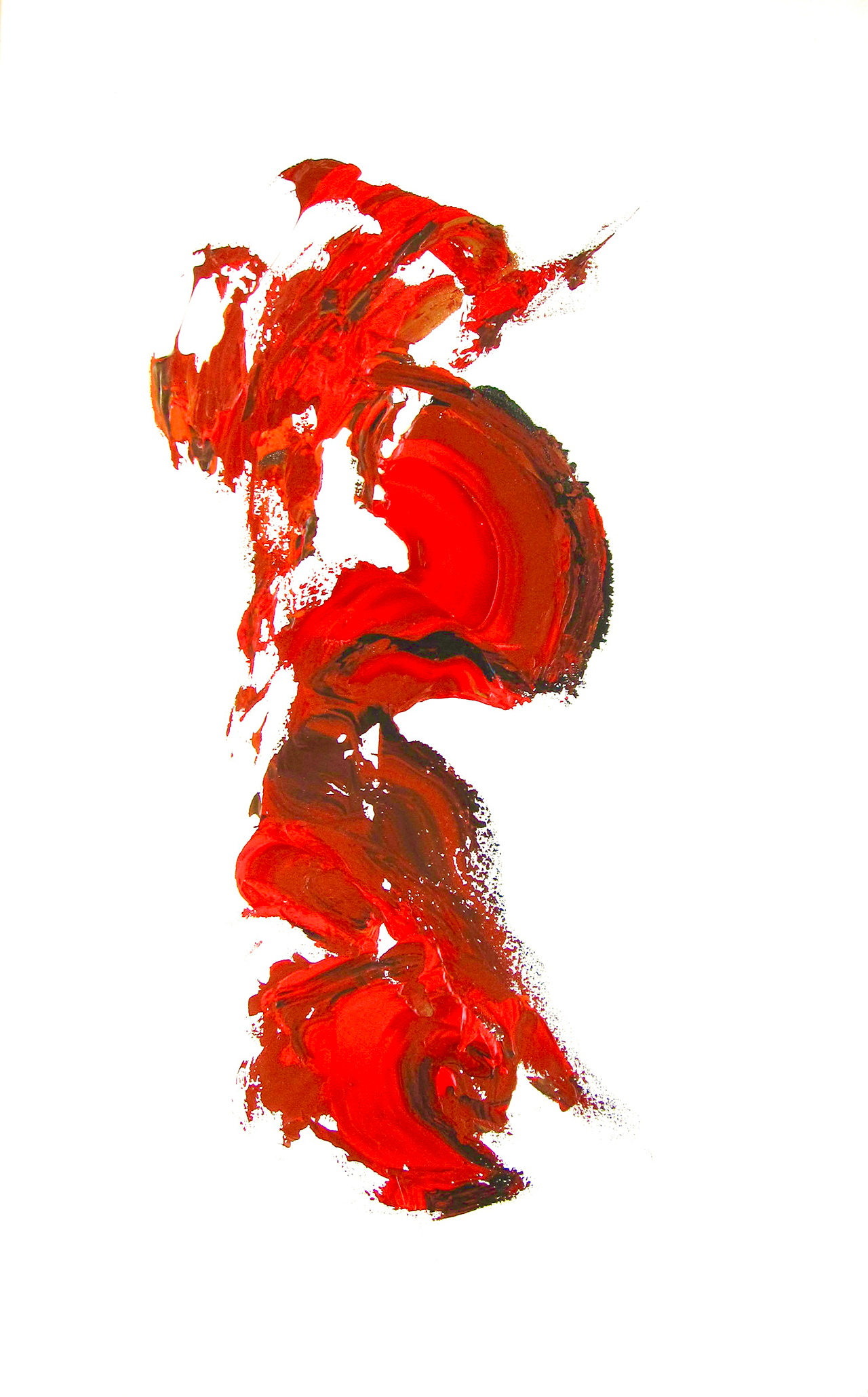
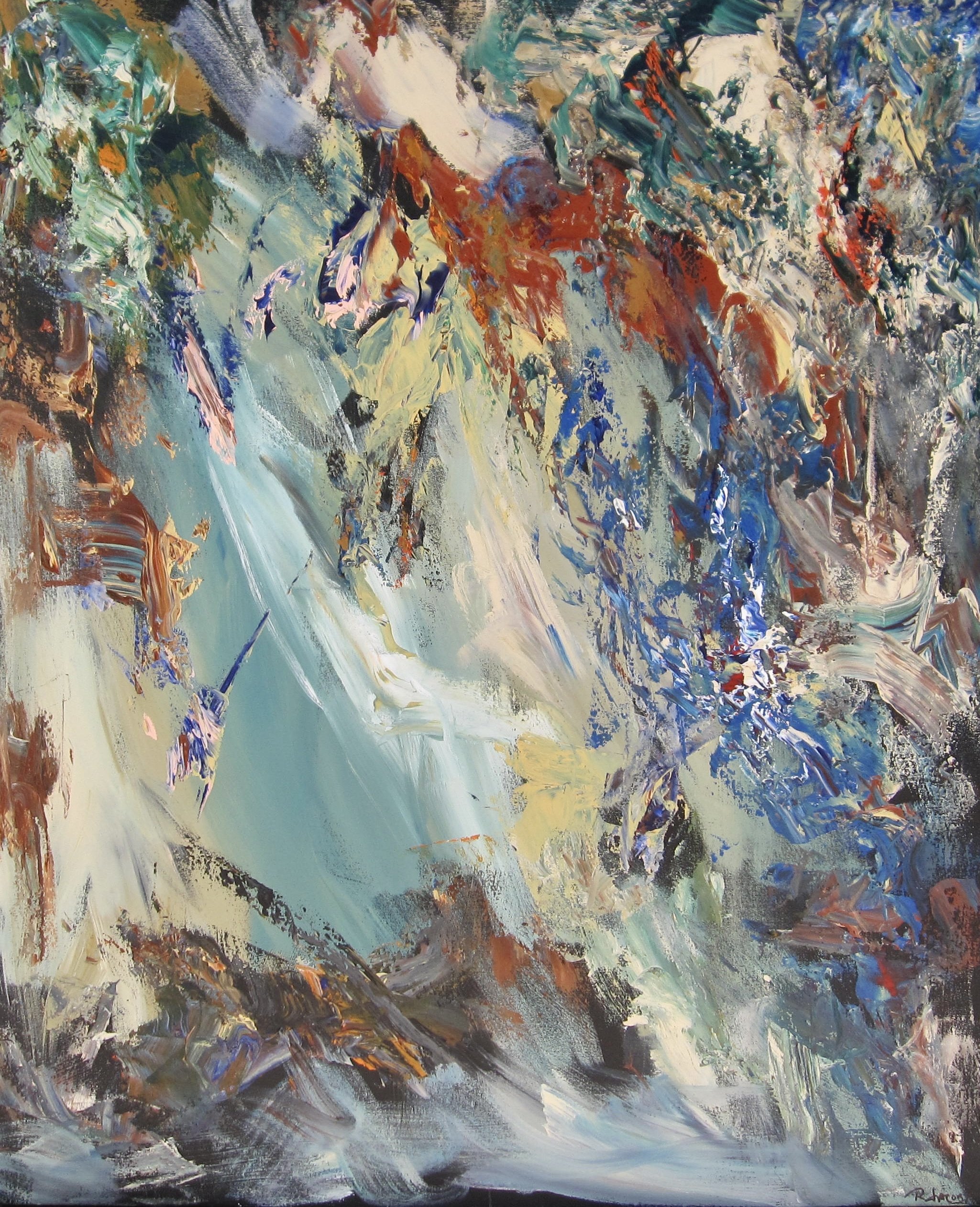
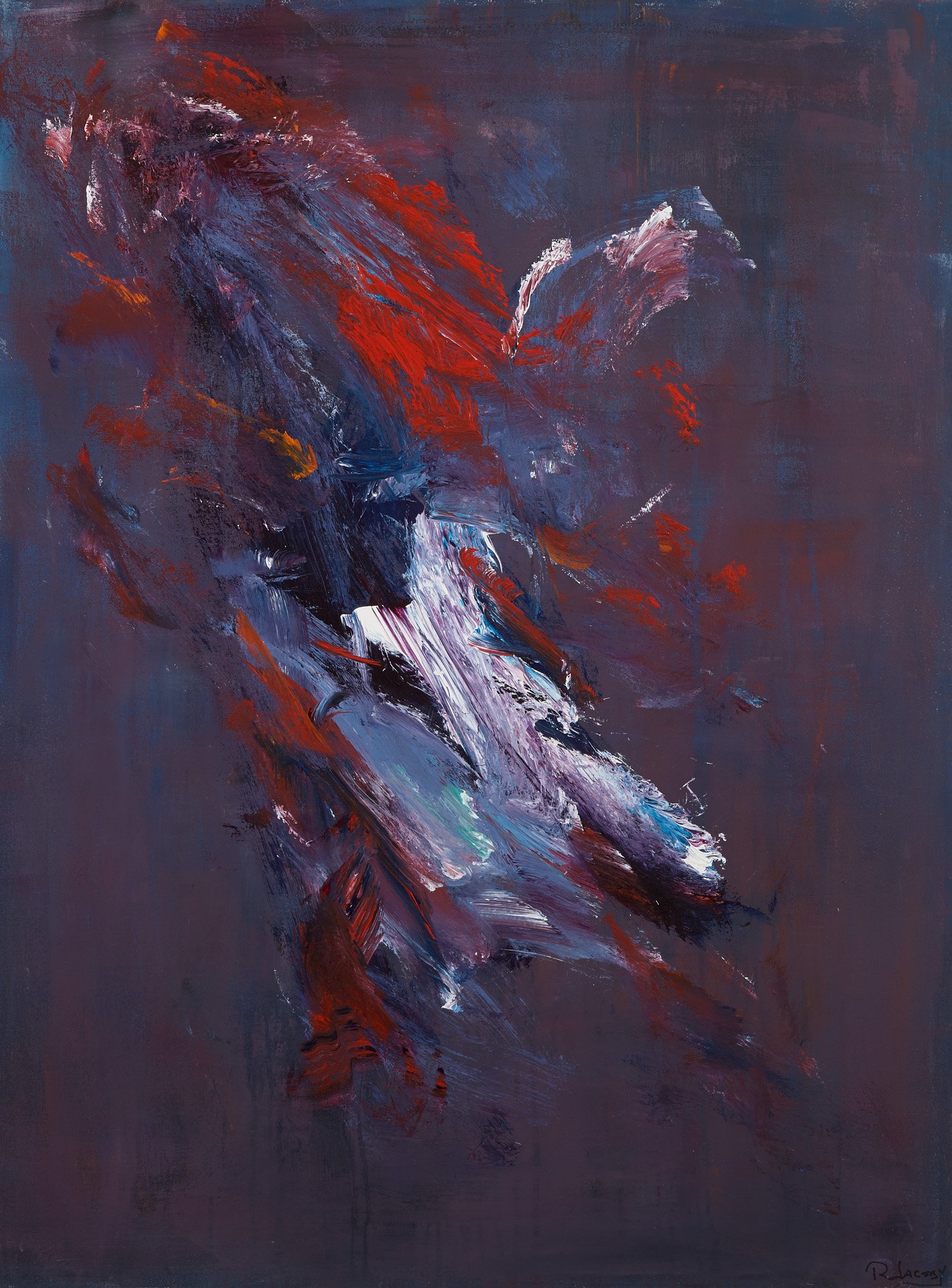
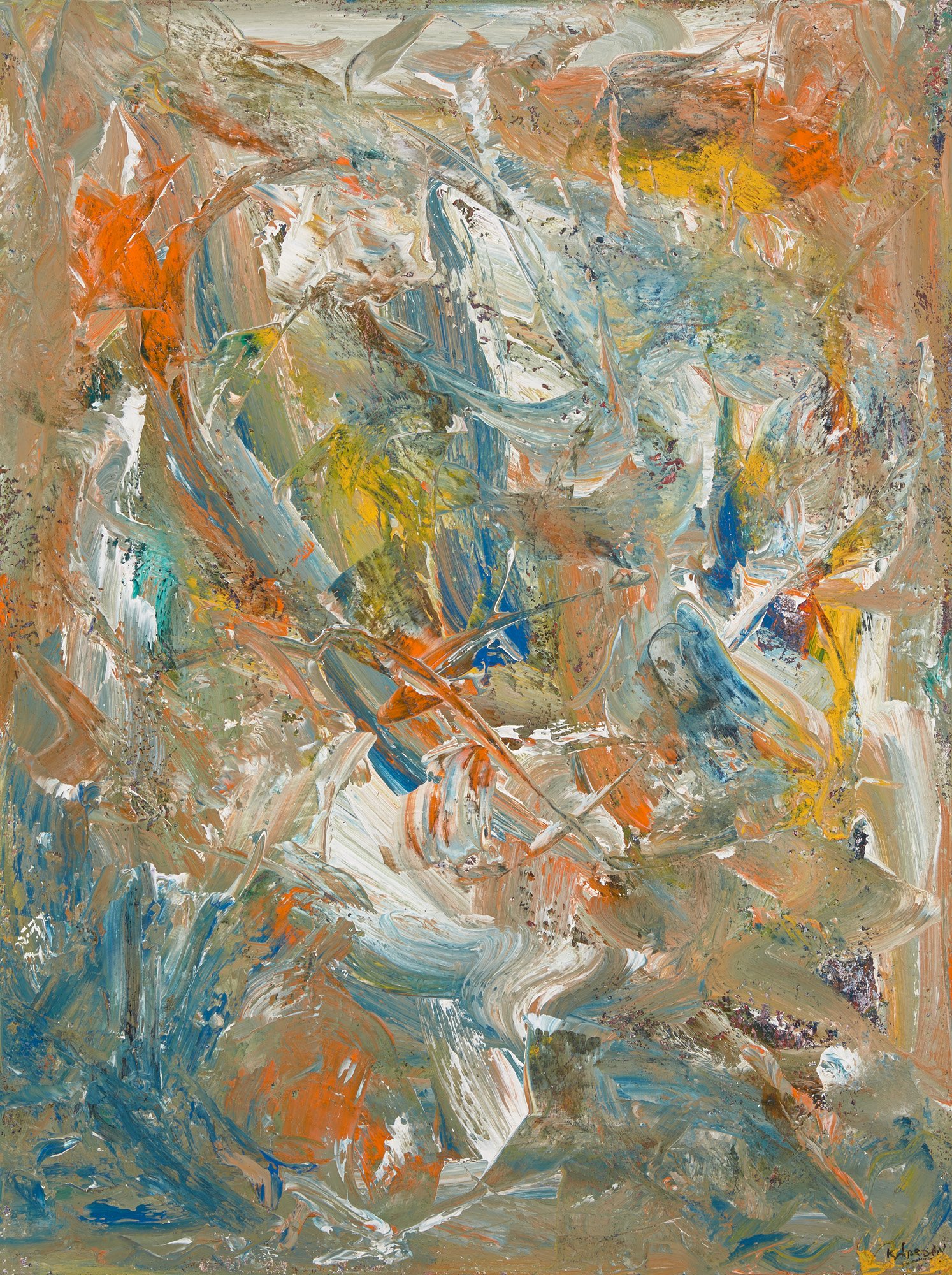
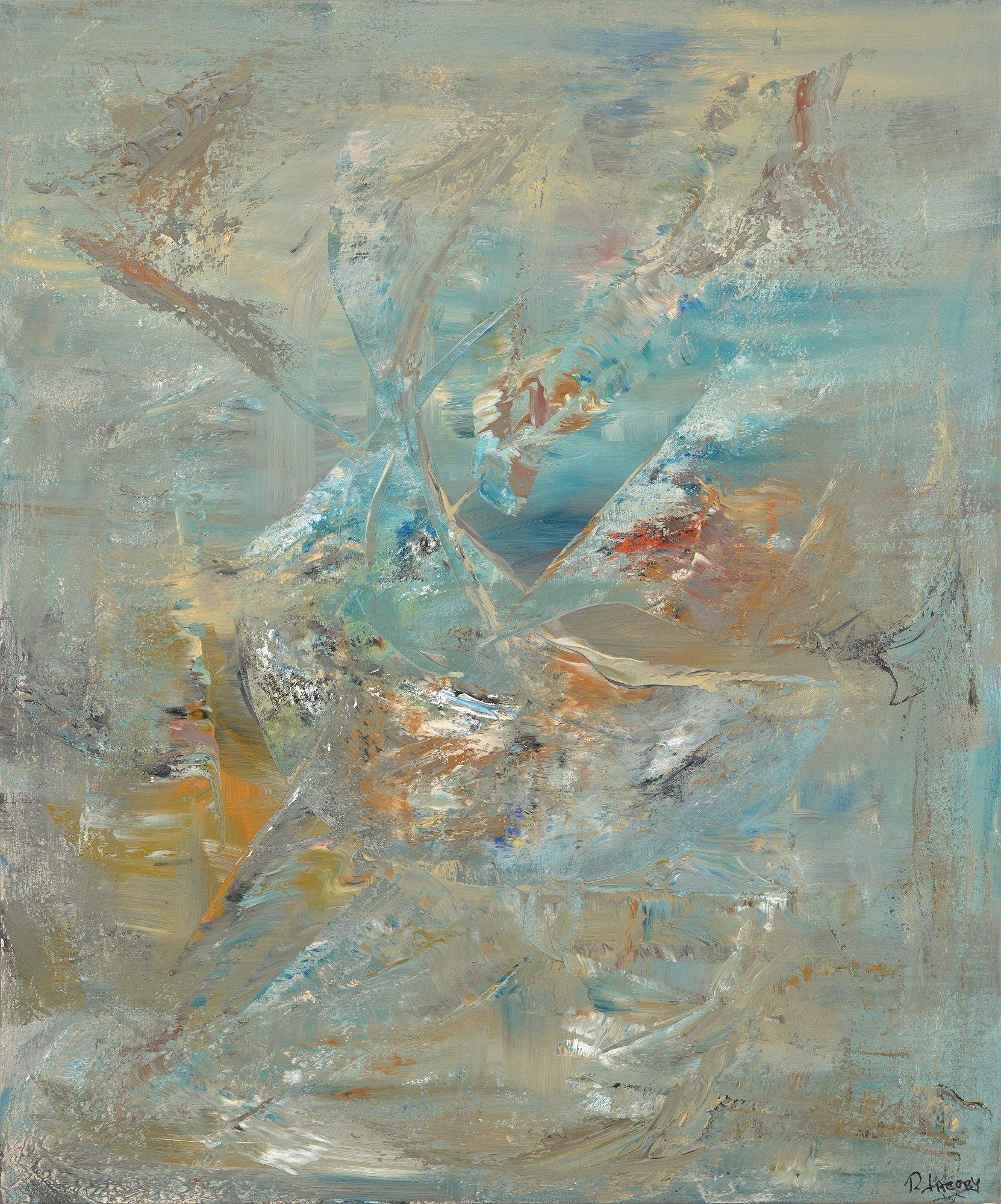
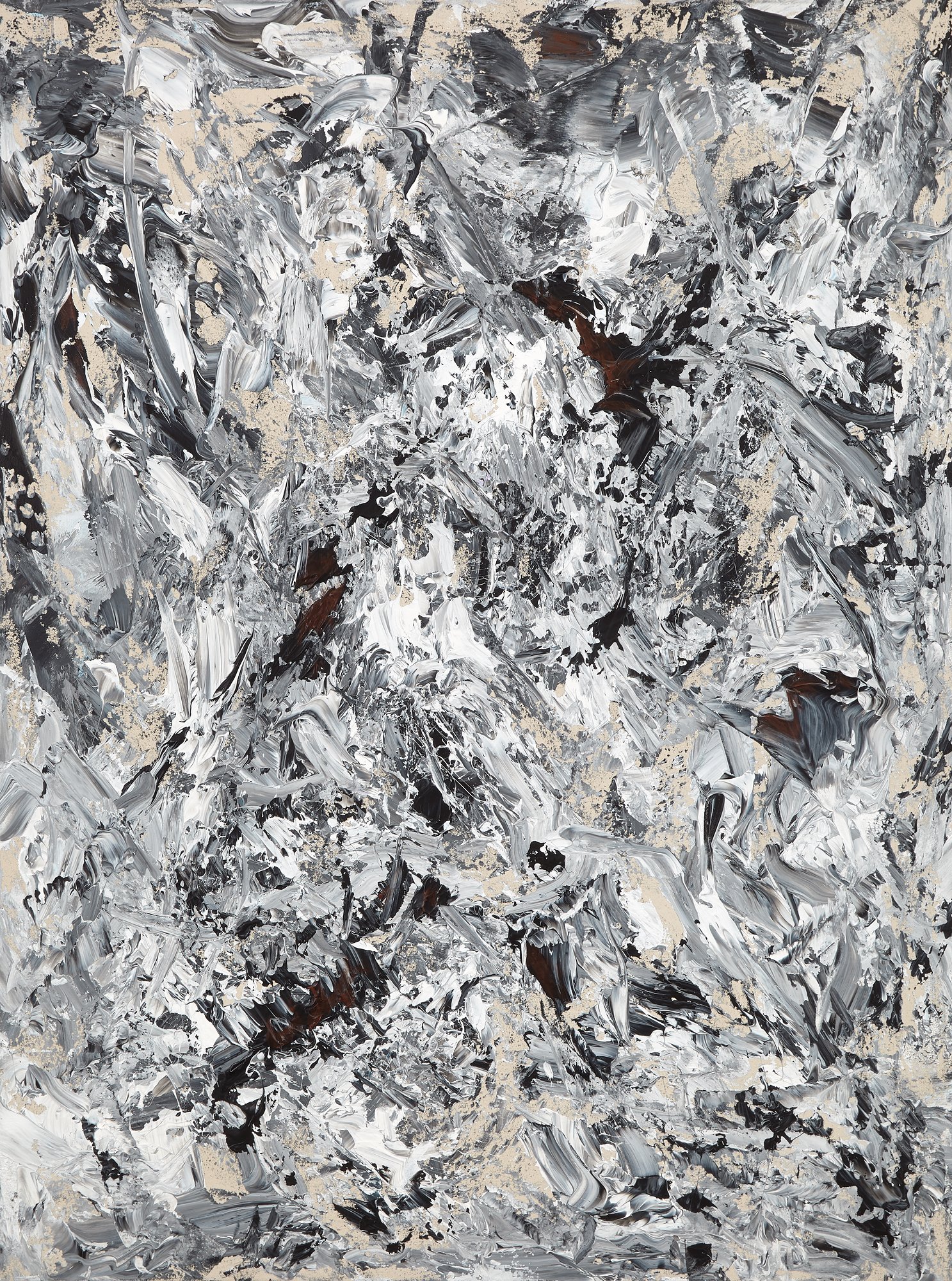
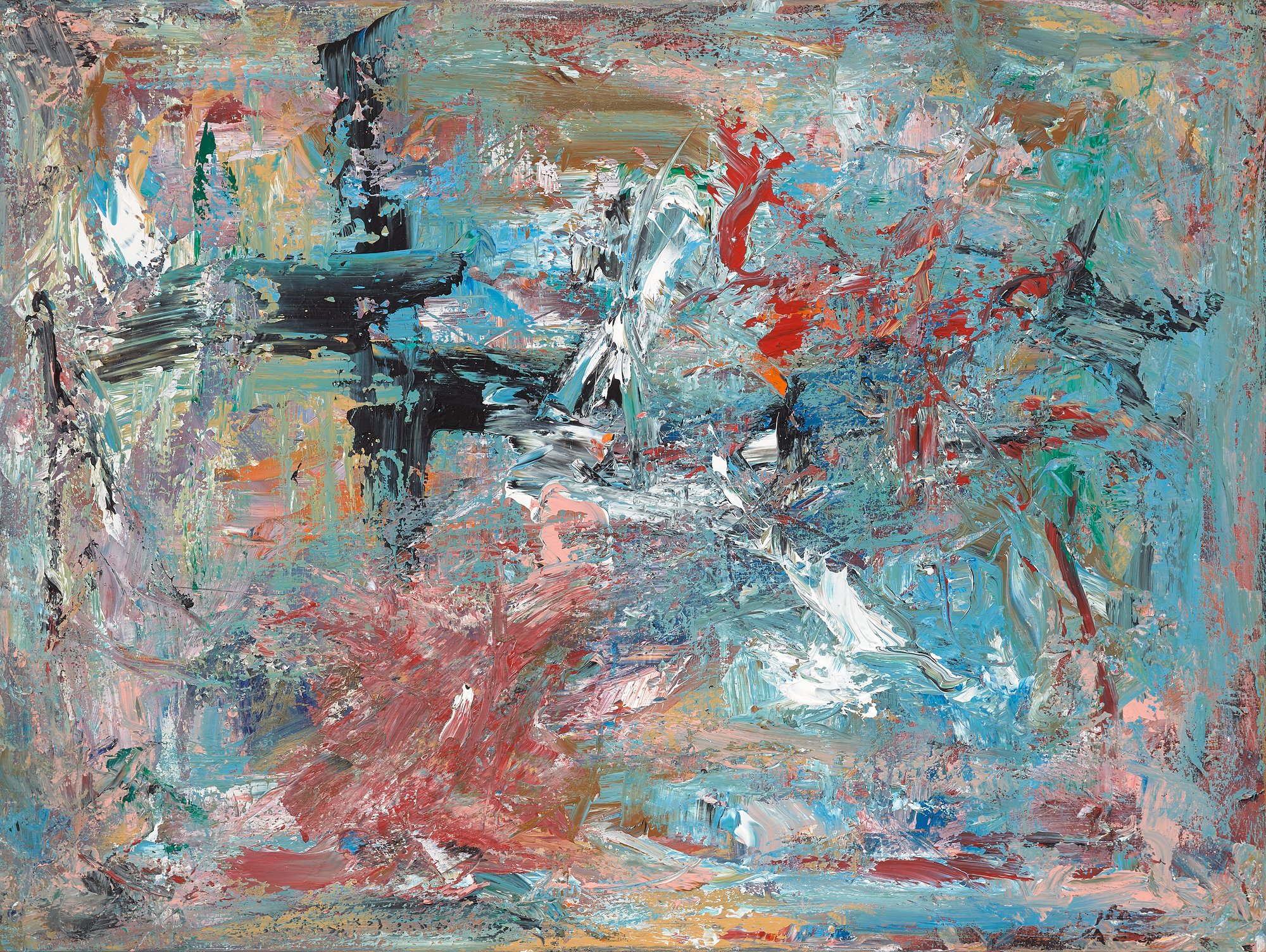
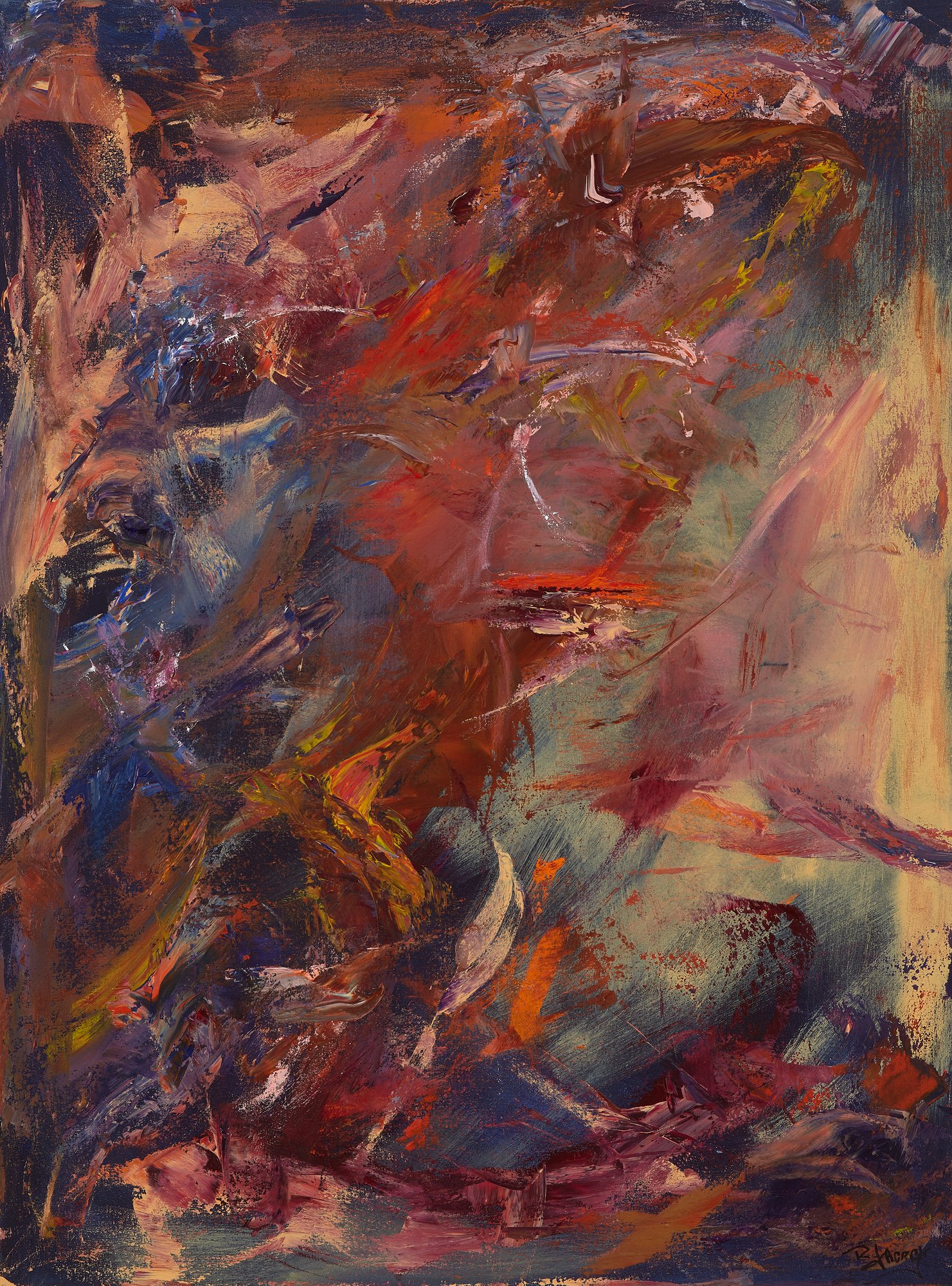
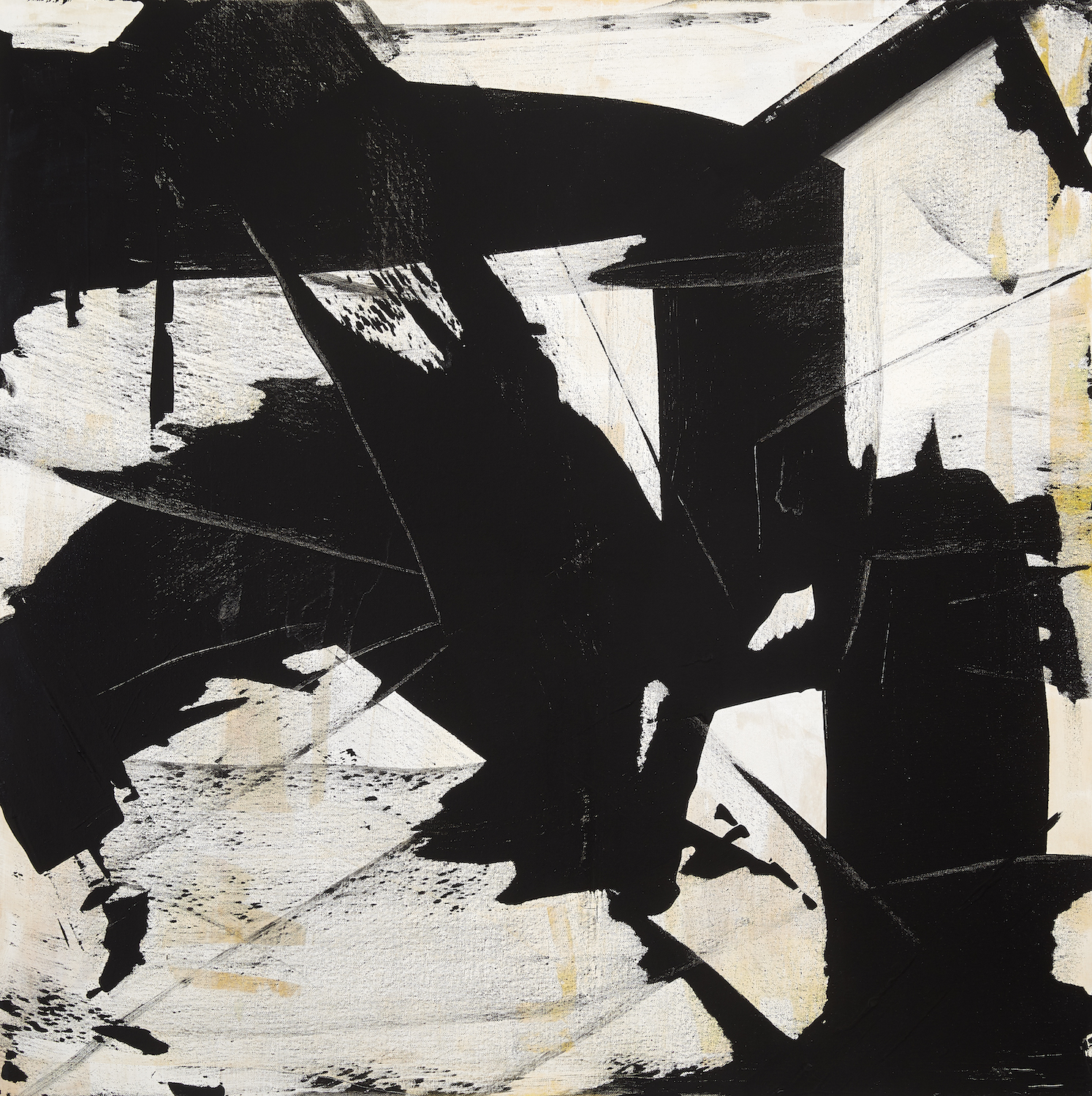
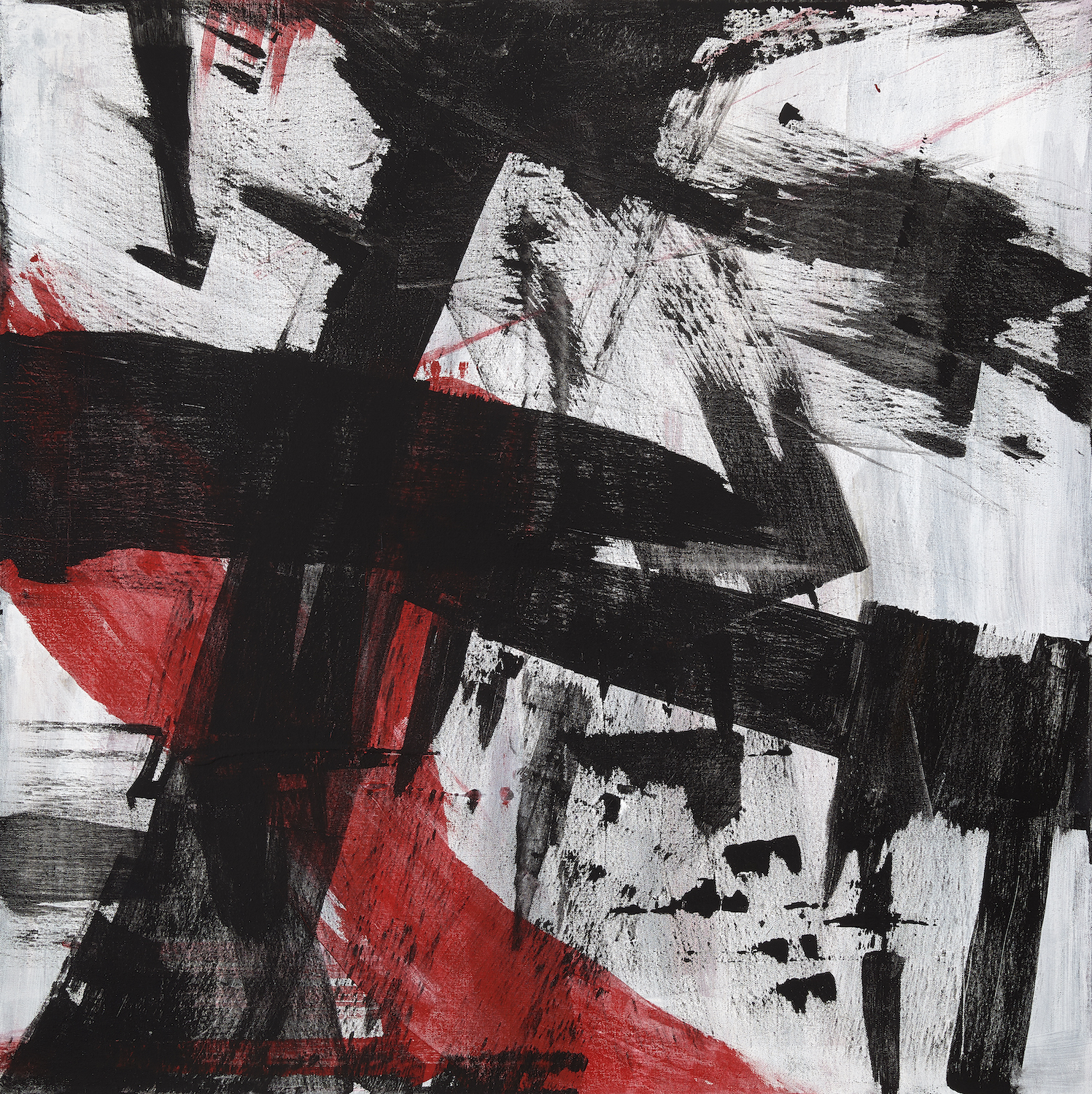
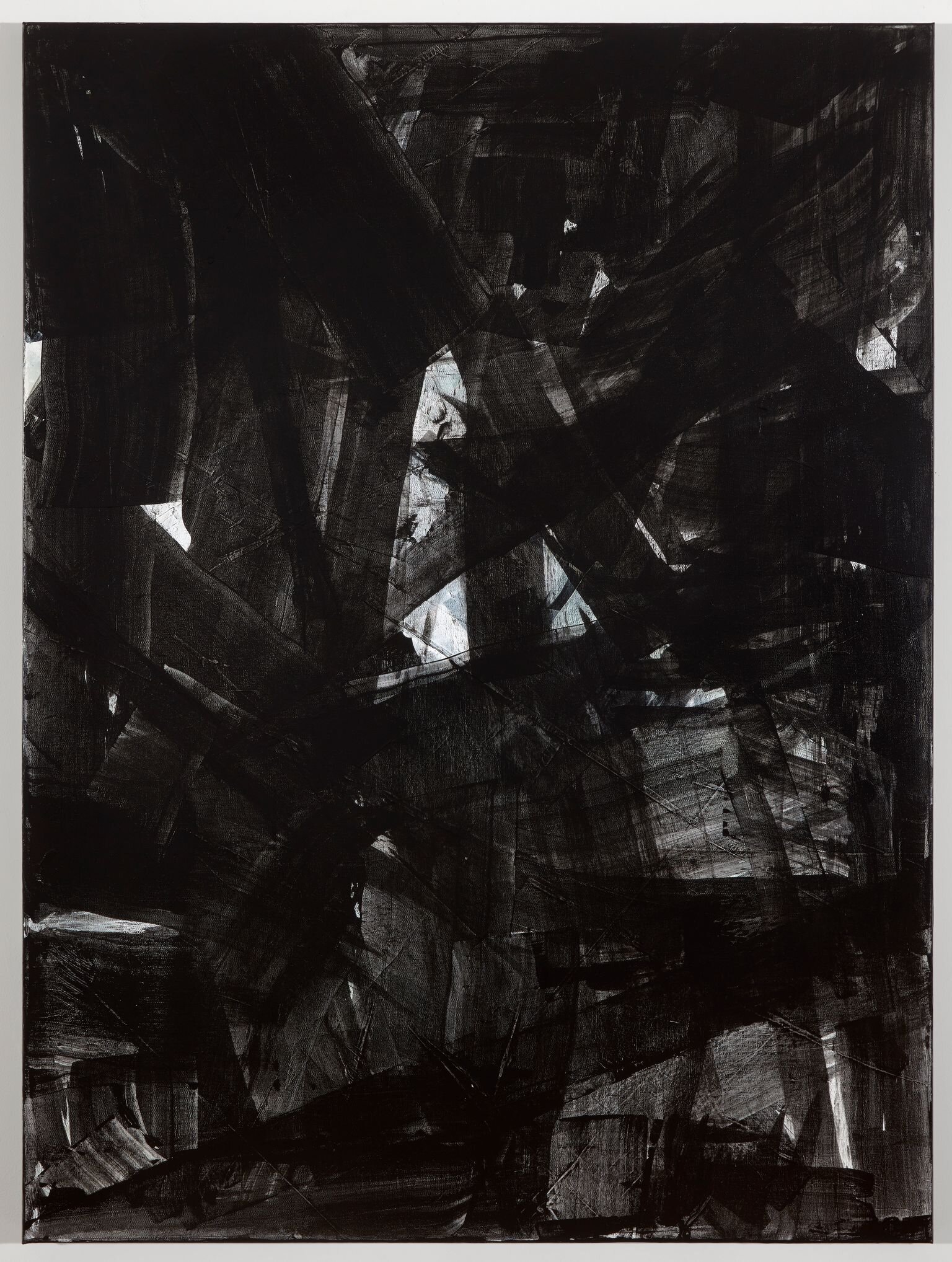
Robert Jacoby has been an active, award winning artist since the mid-1980s focusing first on figurative drawing and painting, then moving to abstraction in 2010. His transition was initially to explore “duende,” the internal force inherent to flamenco which inspires blazing performance. It led to a freewheeling, unpredictable style, guided by instinctive responses to emerging composition and color, but always seeking forceful expression. He is largely self-taught, supplemented by longstanding associations with regional art schools. A broad selection of his abstract work can be found at: Paintings by Robert Jacoby (www.jacobyart.com).
Sheila Kaczmarek studied art at St. Martin's School of Art, London, UCLA, Calif and the Academie des Beaux Arts, Brussels. She has taught art for over 30 years. She is a founder member of City Gallery, and is President of the Guilford Art League.
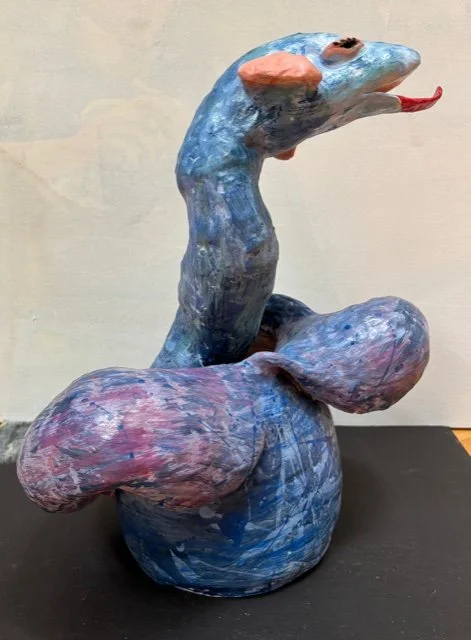
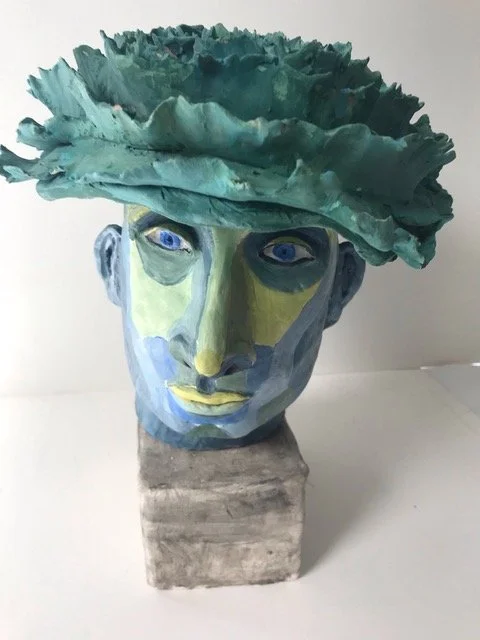
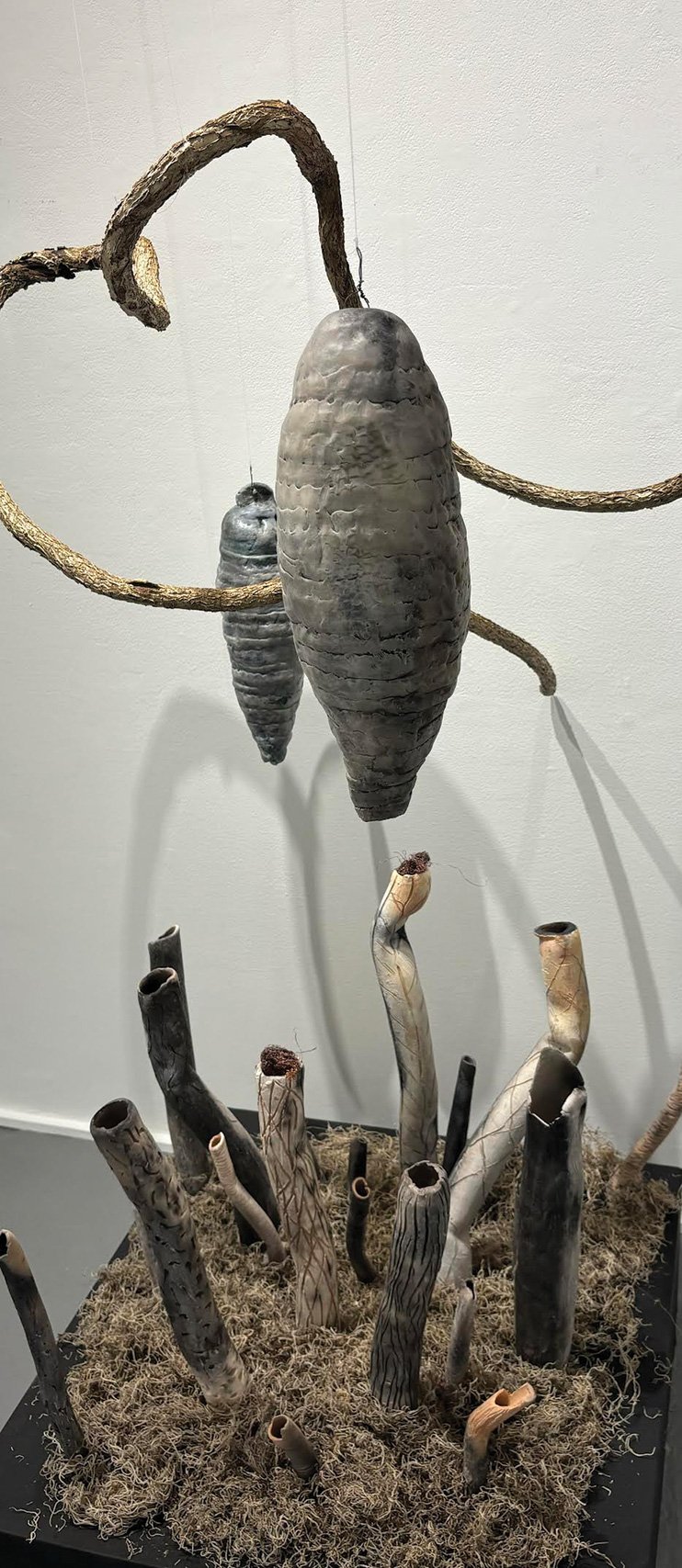
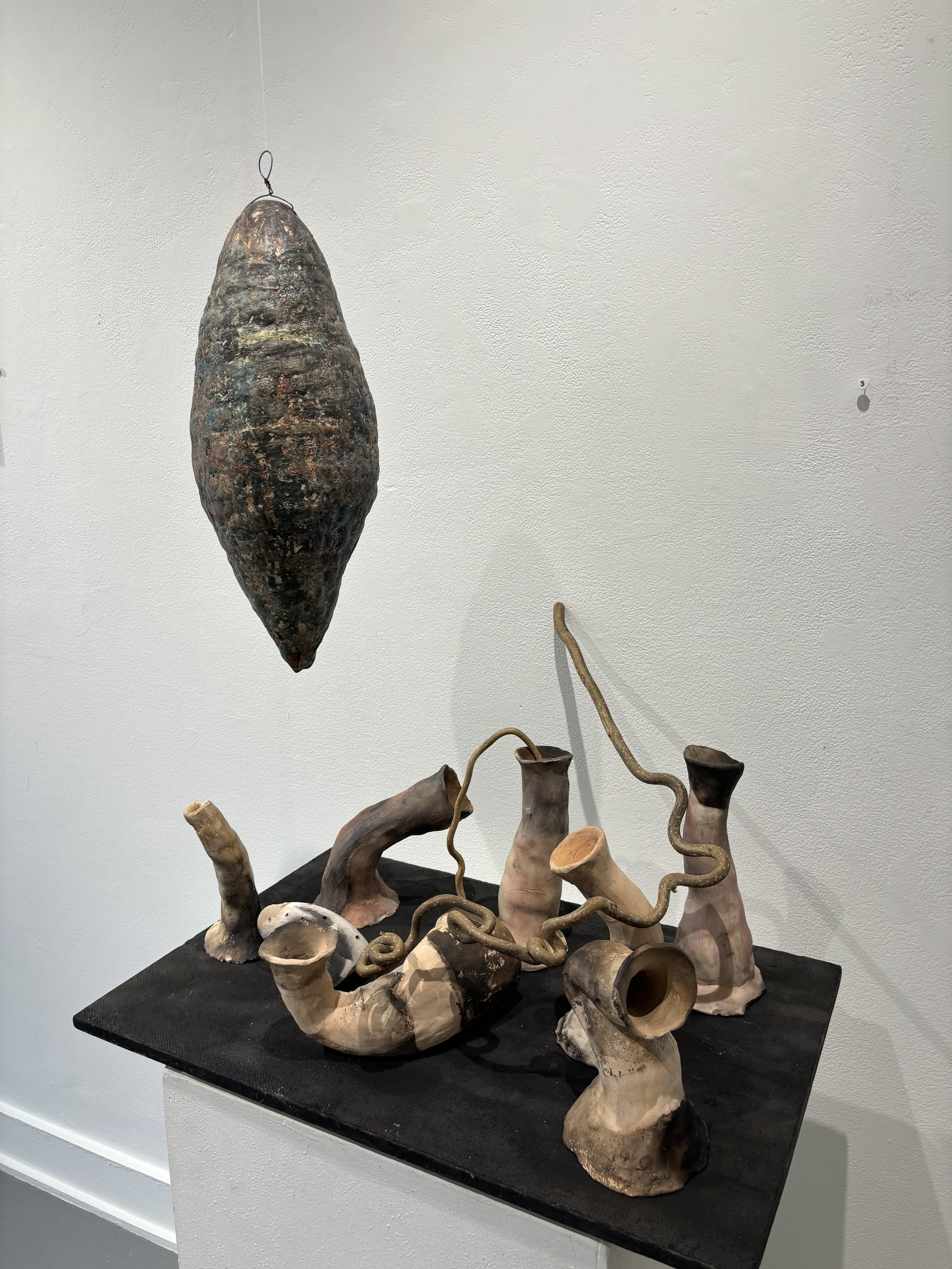
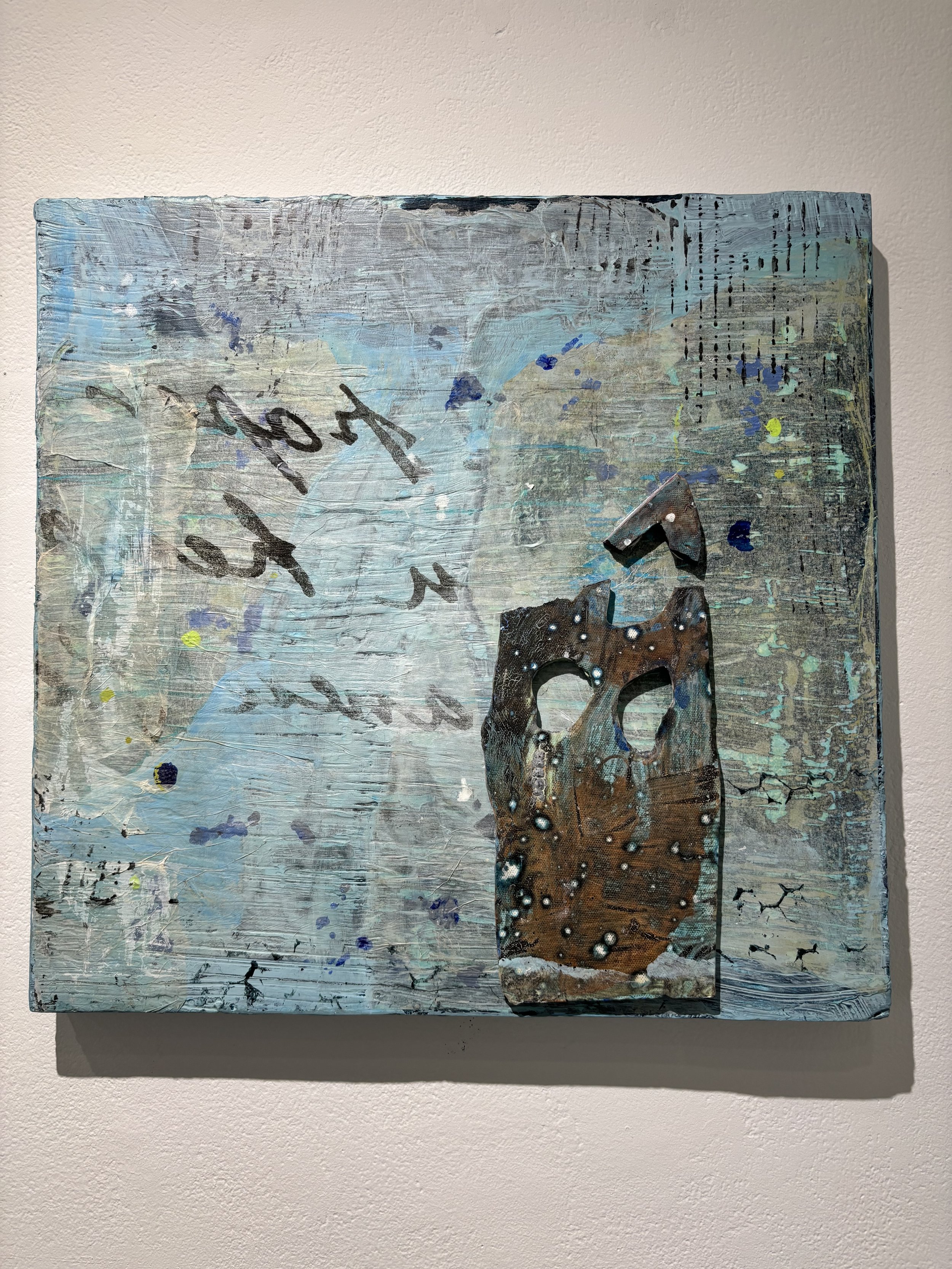
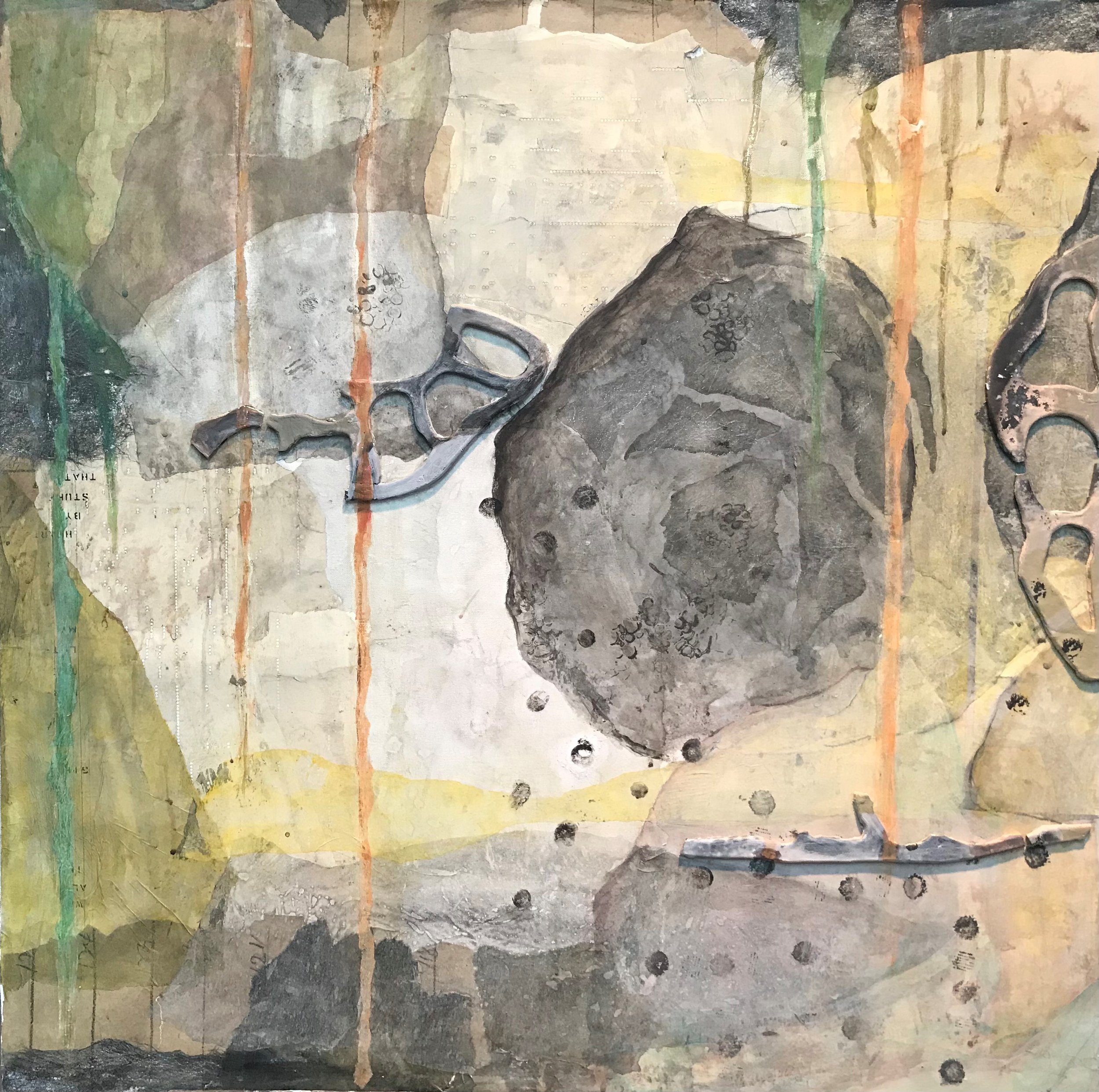
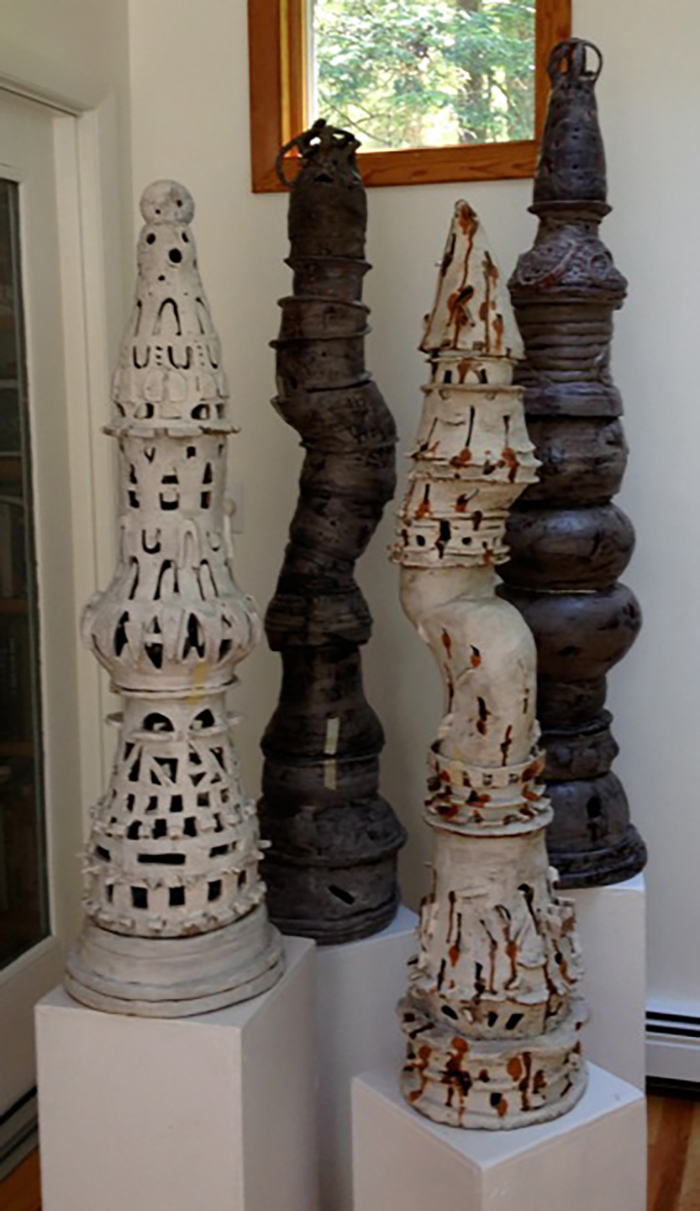
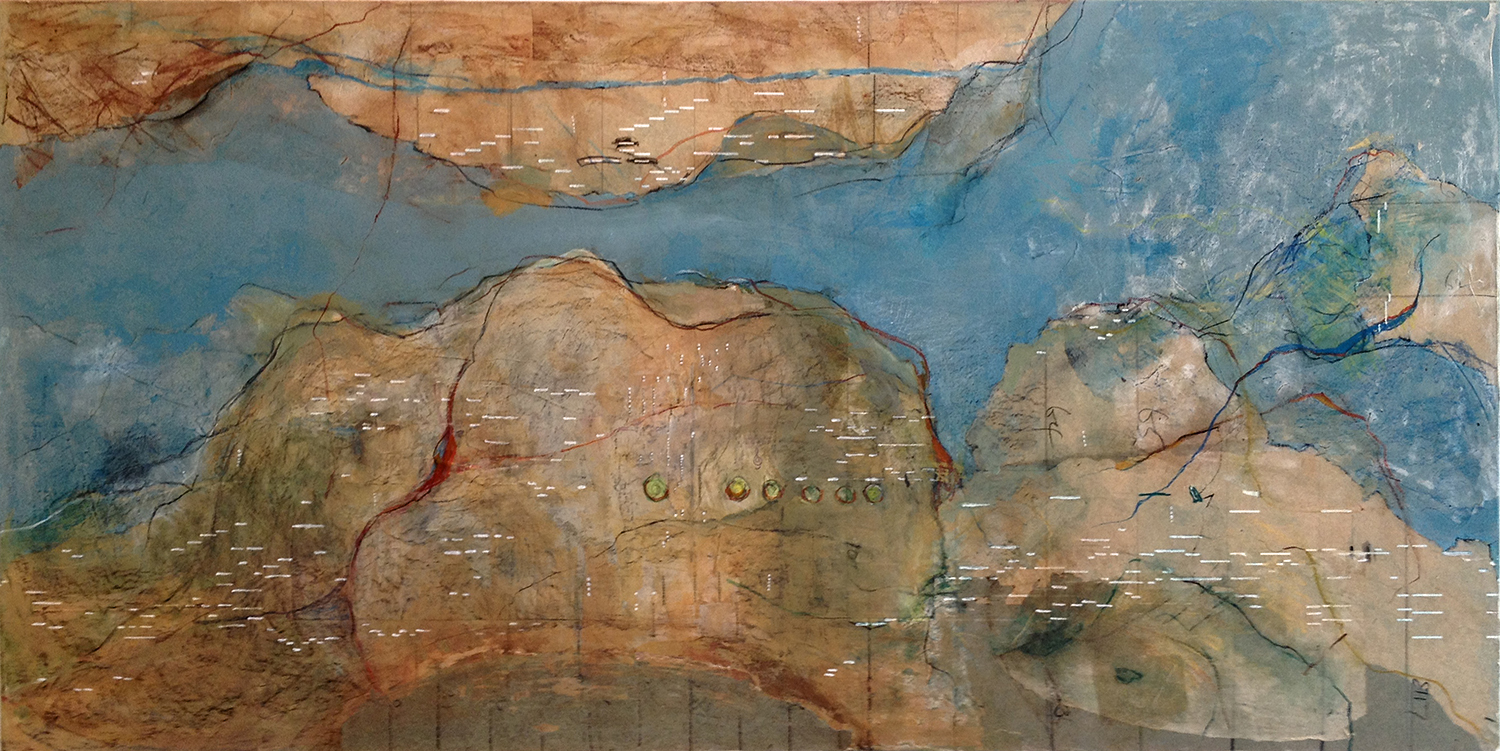
She works with paint and mixed media to create abstract forms. Her interest lies in both the process of layering and in stripping away surfaces. She also apprenticed in the ceramic studio of the Guilford Art Center for 5 years and now works with clay as well, incorporating it with paint, metal and encaustic wax. Her sculptures relate to forms in nature.
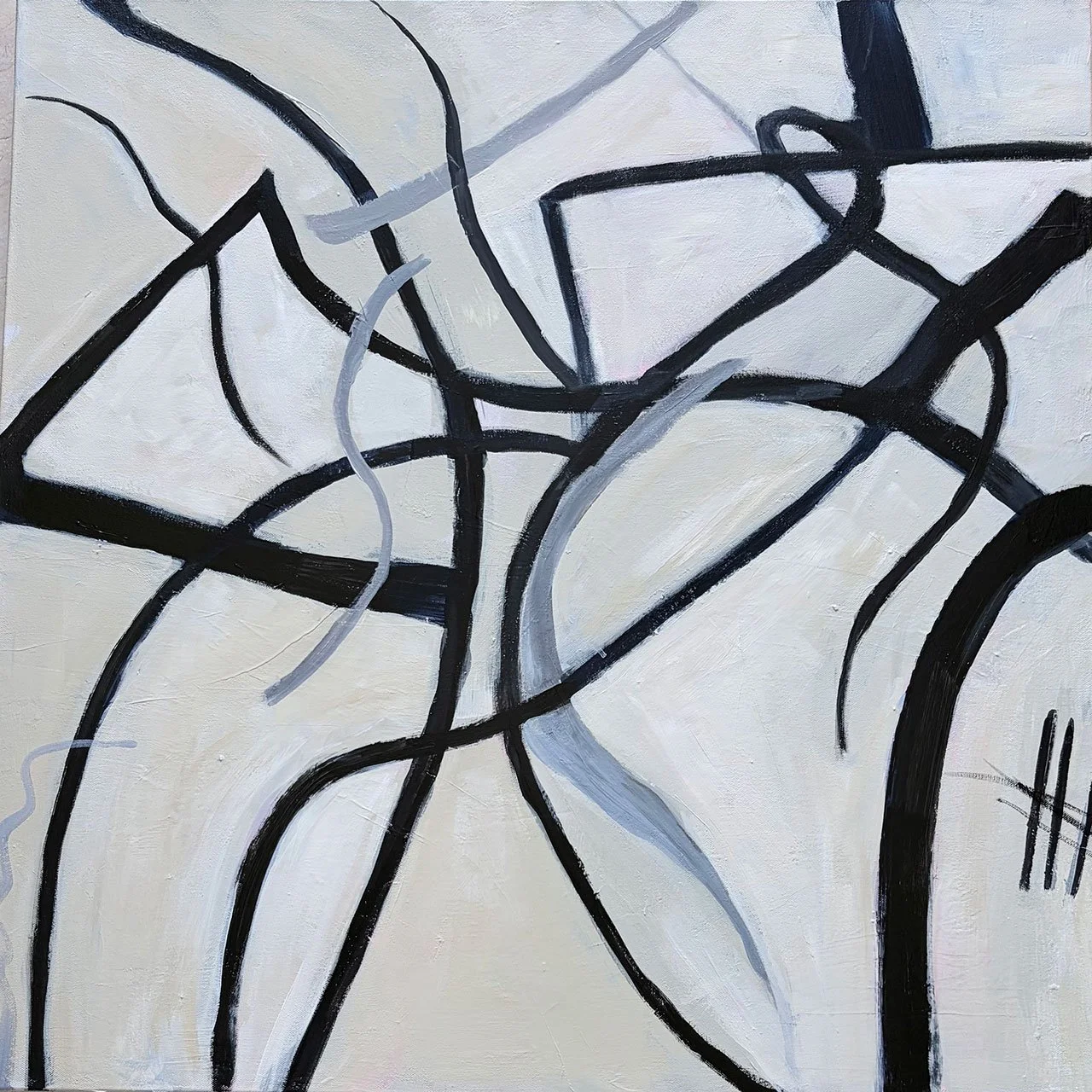
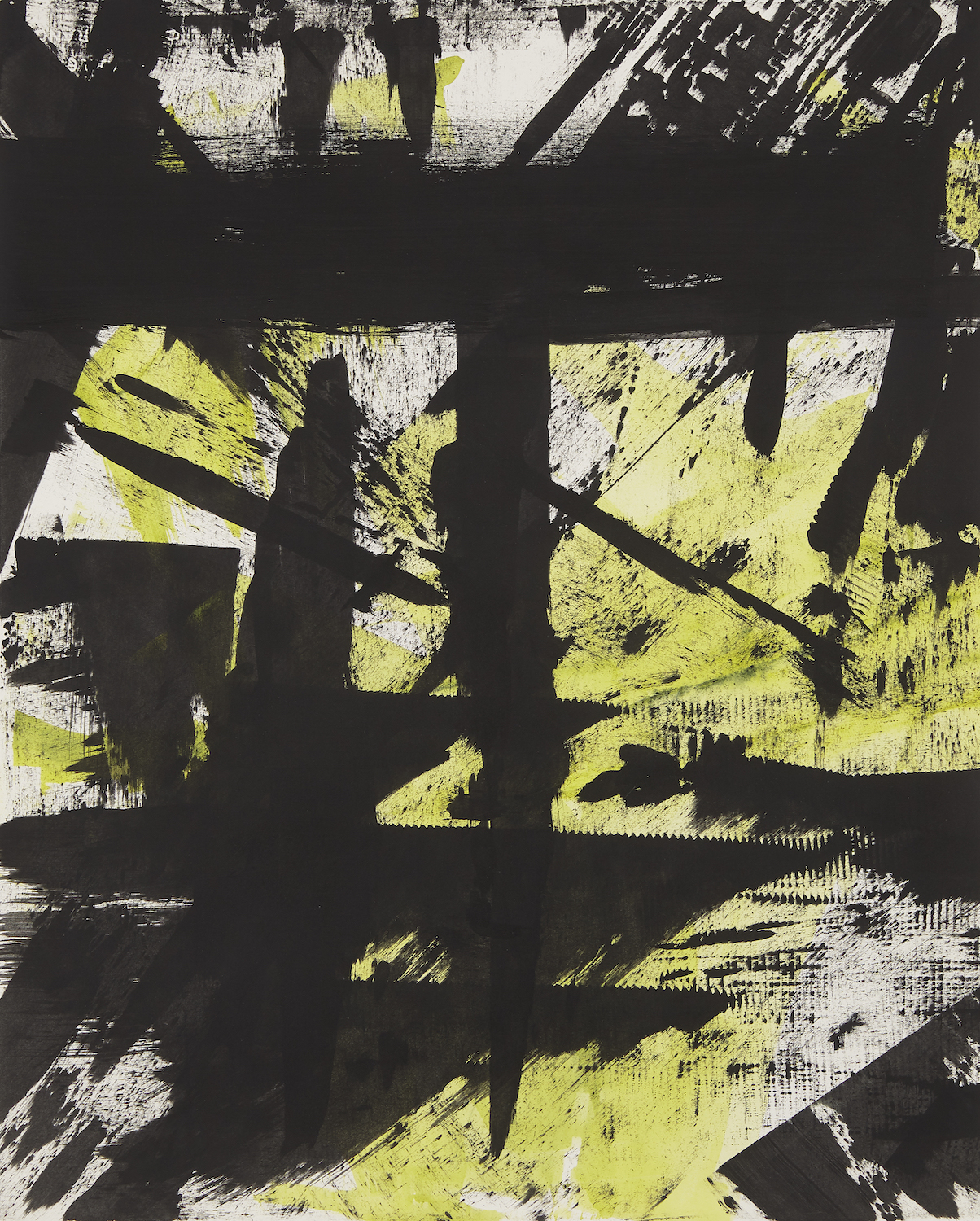
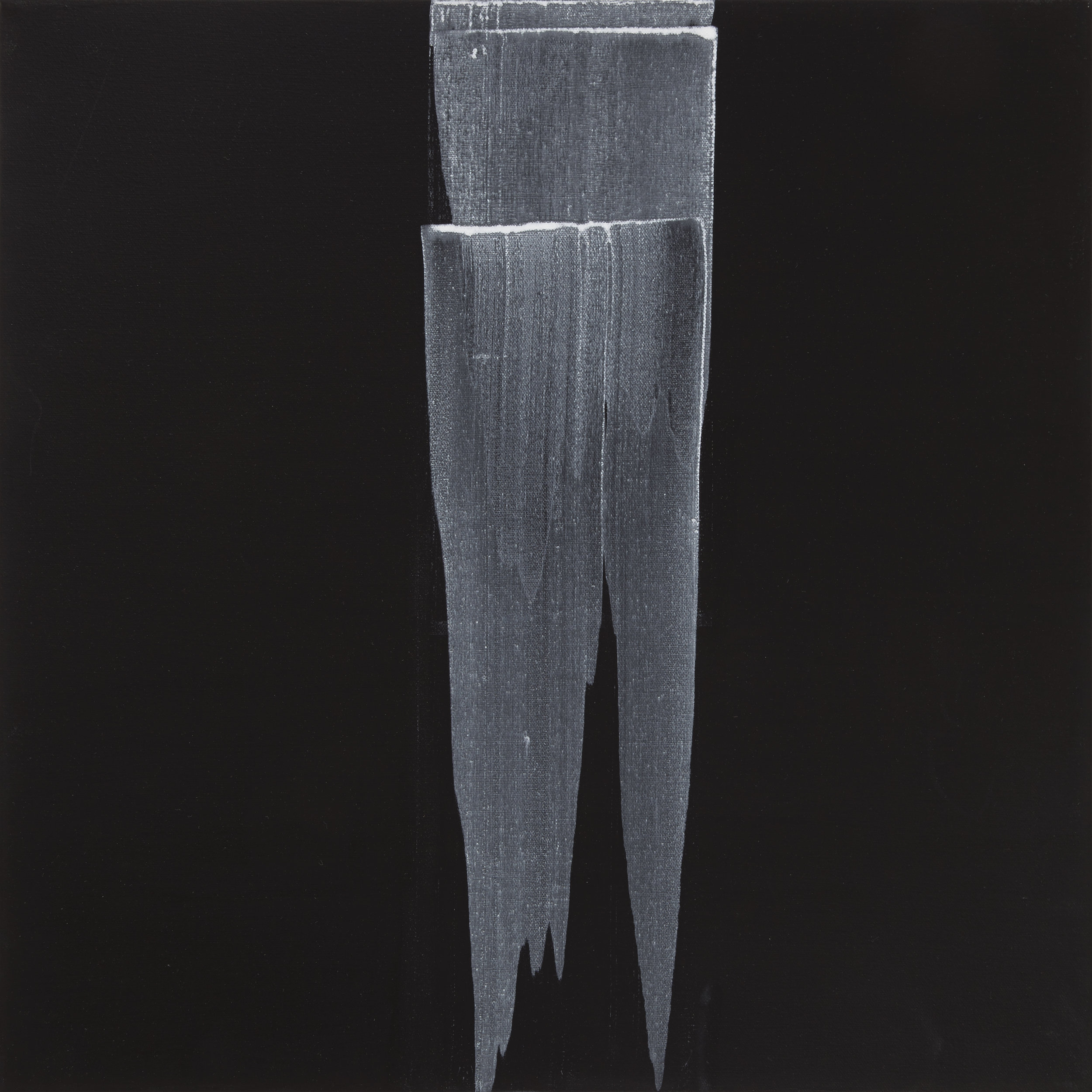
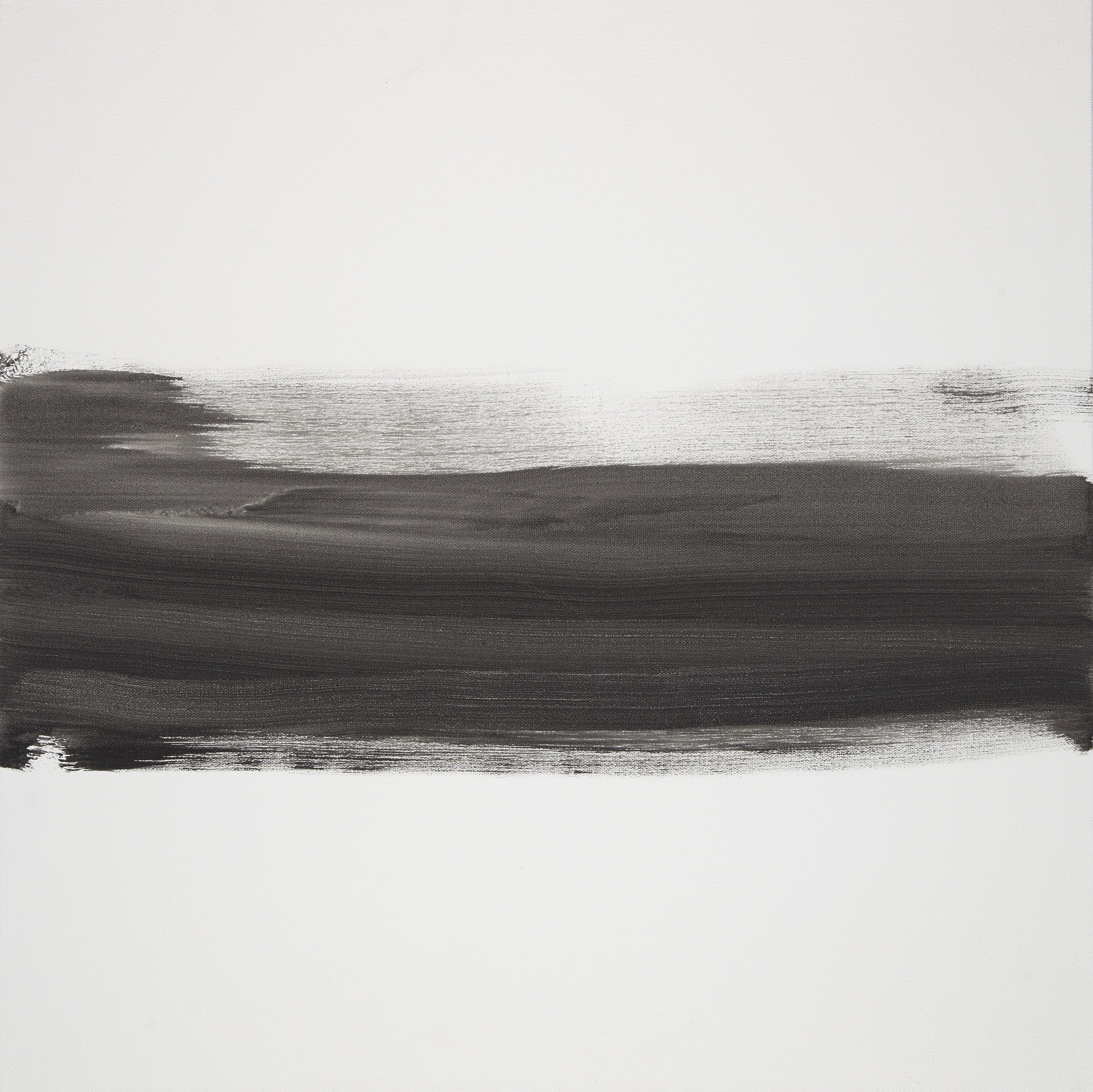
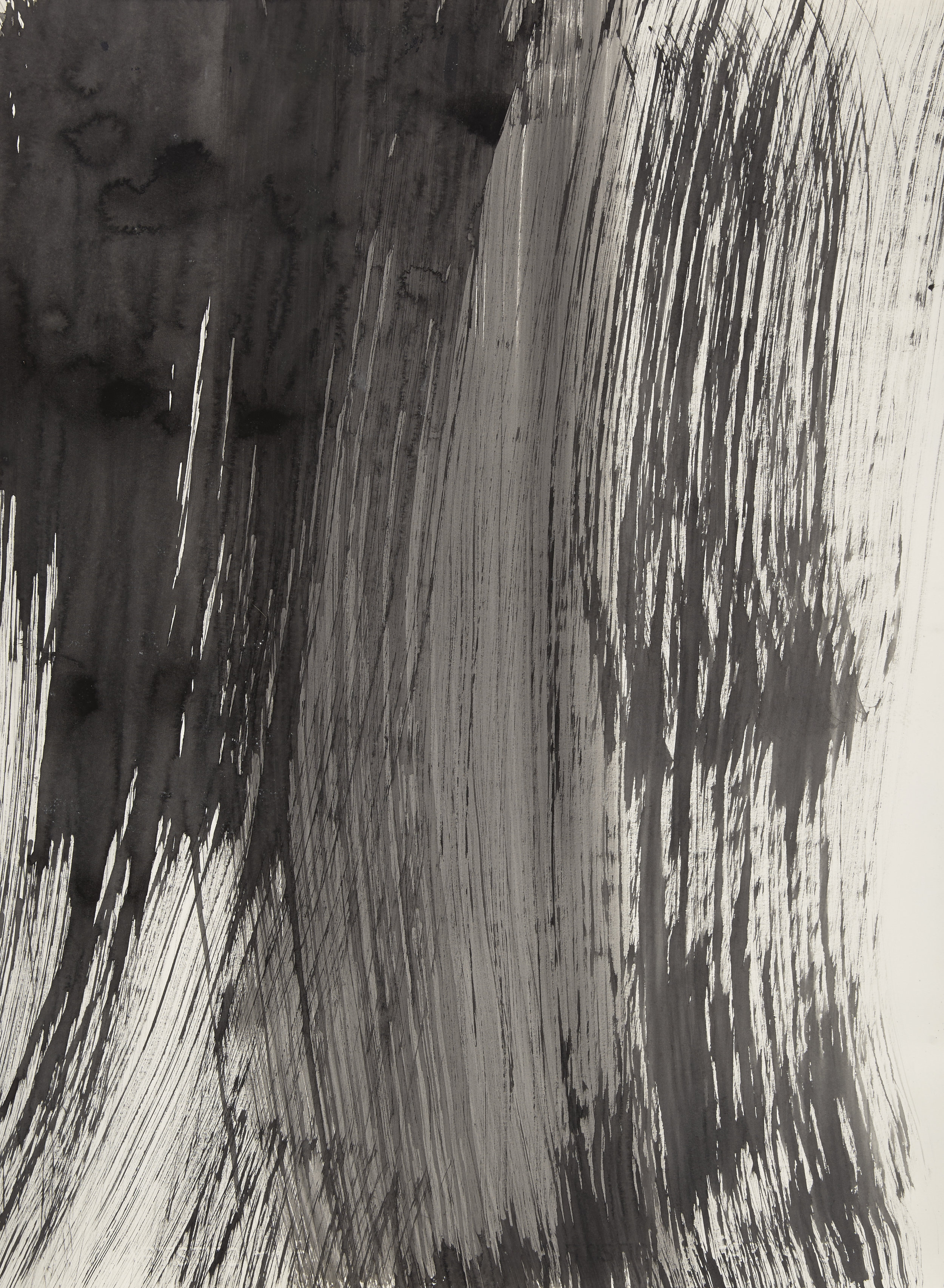
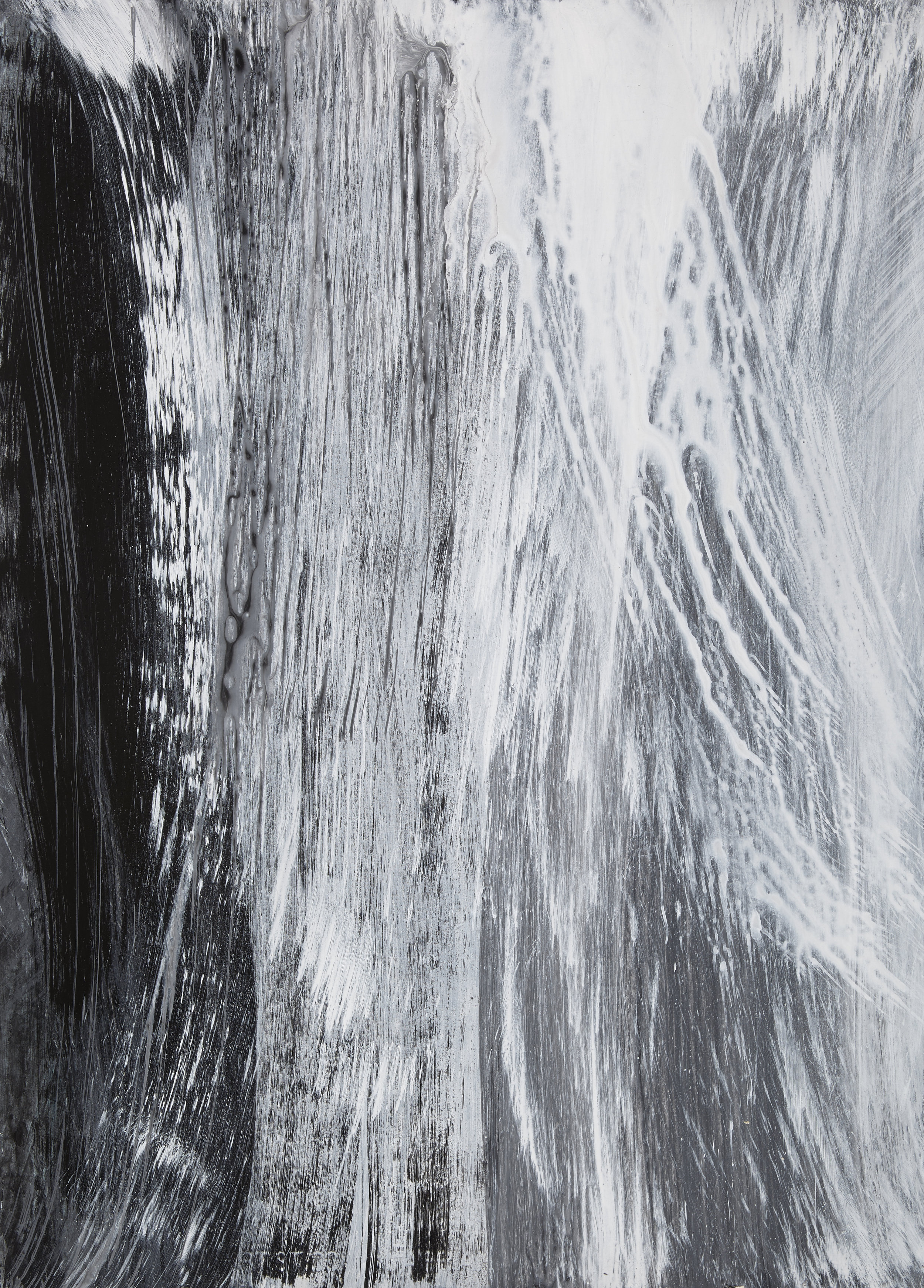
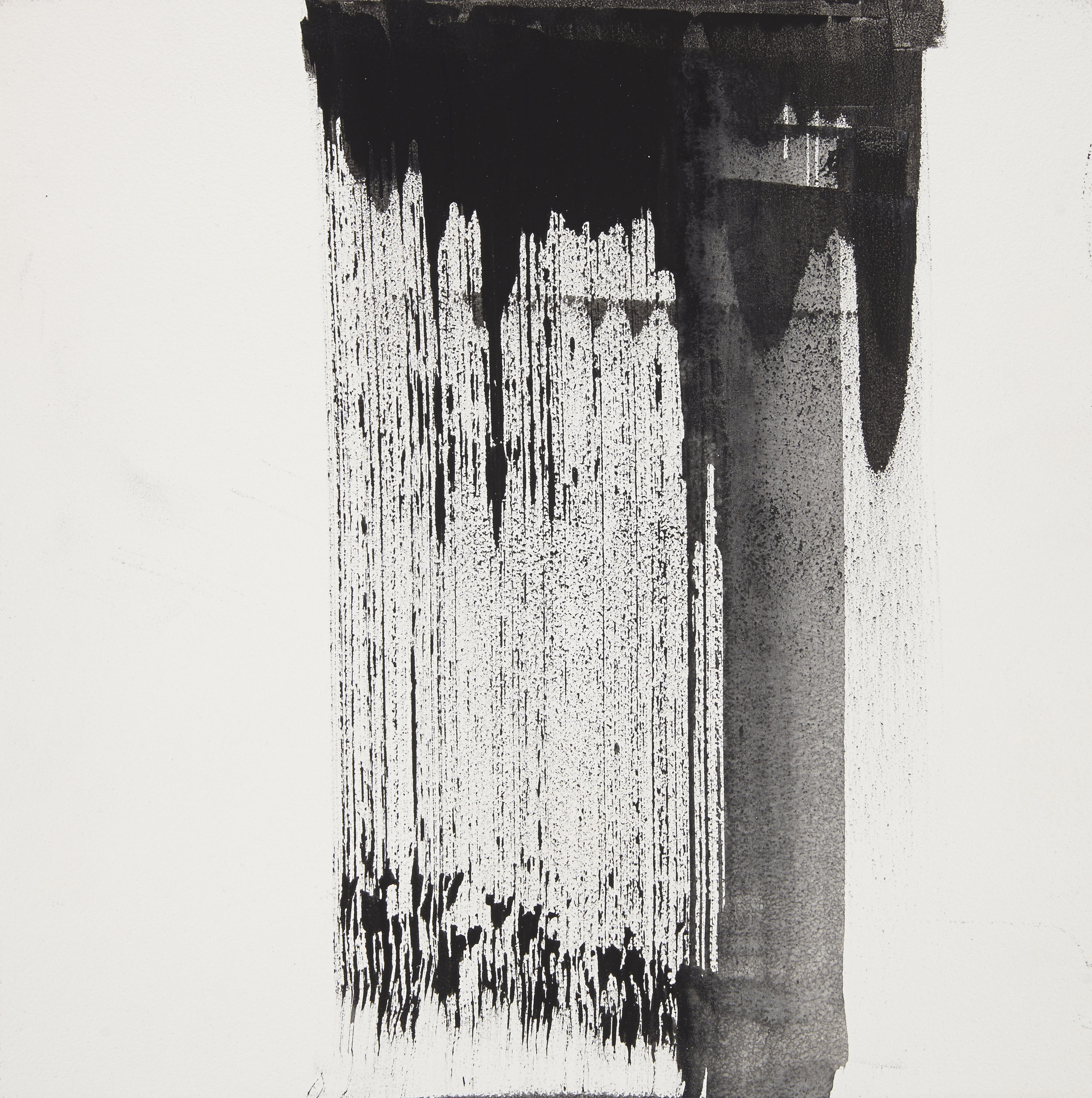
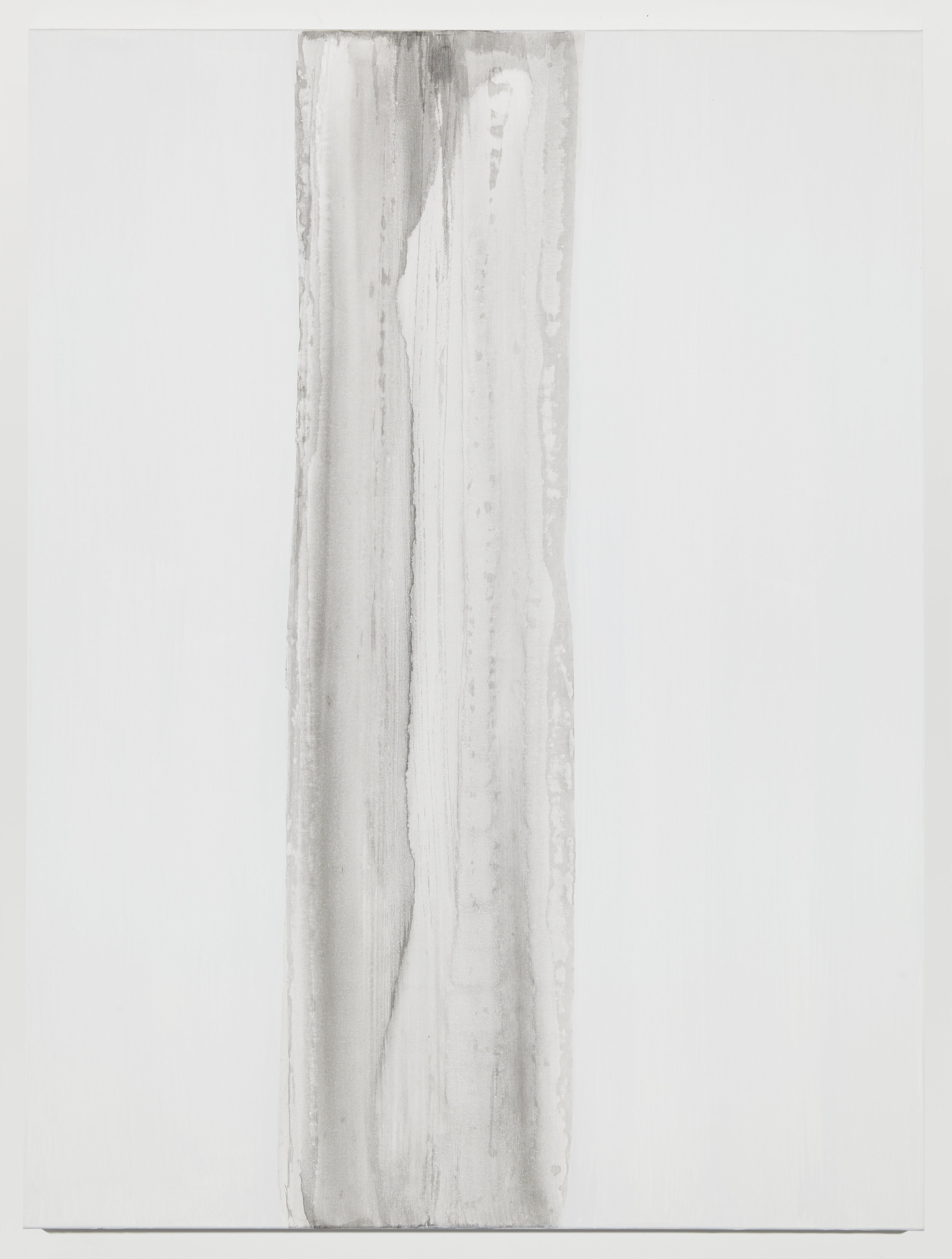
This work is about the perception of the line, its placement on the paper and the effect it has on the space surrounding it. All marks are line; it is everywhere and everything.
I love the process of mark making. To try to make the perfect mark. While it may take minutes to execute, it takes hours of thought and observation before the actual line is made. There is also the added intrigue and challenge of burying the color while considering the line.
Using various tools captures the “fun” of the line. A trip to the hardware store is an adventure. Mops, squeegees, rubber spatulas, you name it, they are all fair game to the mark-making.
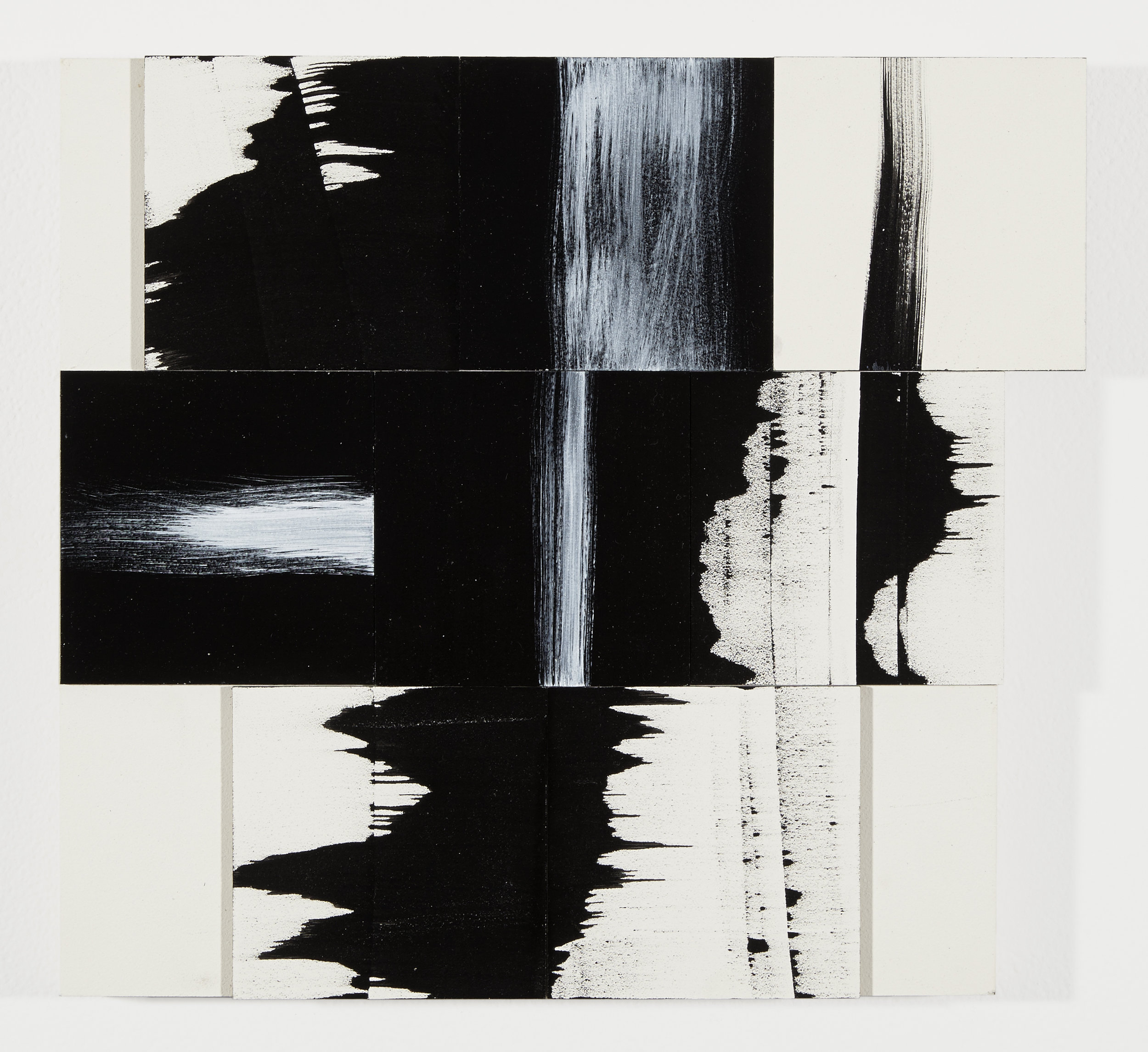
Painting the tiles is still an important part of the process. They are my studies yet are important in themselves. The arranging and rearranging of them is like a game, a ballet.
Catherine Lavoie is a textile artist who explores human experience and the natural world utilizing repurposed and found objects. Recent work with bridal gowns create new life for garments that are typically worn once. Her handmade paintbrushes from pine needles and other natural elements add wispy marks to the fabric.
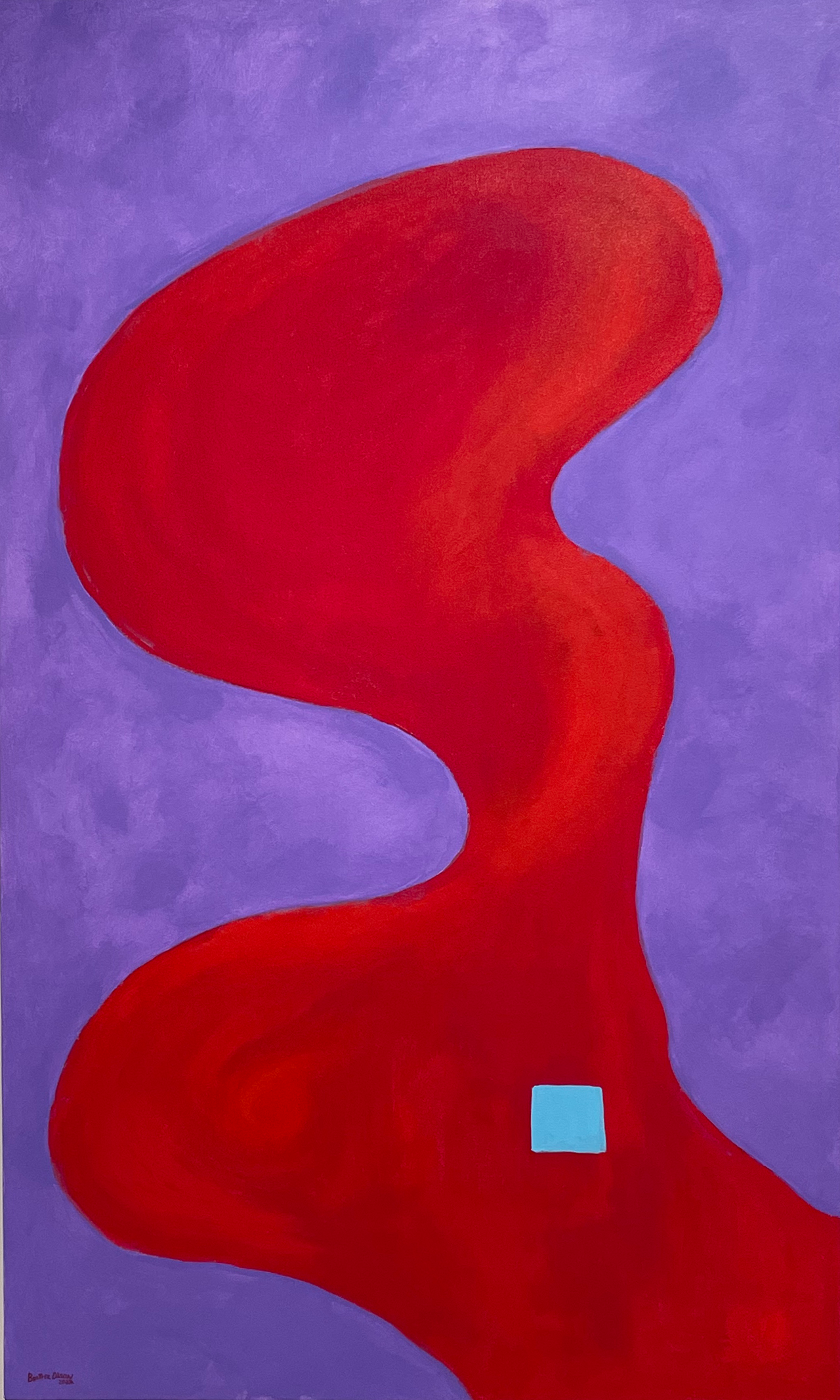
Beatriz R. Olson is a Cuban-born physician, author, and visual artist whose work bridges abstraction, memory, and feminine expression through the emotional language of color. Shaped by migration, medicine, resilience, and spiritual inquiry, her paintings transform lived experience into immersive spaces of healing, intuition, and freedom. Moving between magical realism and vibrant abstraction, Olson invites viewers to reconnect with emotion, imagination, and the unseen dimensions of human experience. Active in the New Haven arts community, her work reflects a lifelong dialogue between science, creativity, and the restorative power of art.
UNMUTED
City Gallery Exhibit
February 6 - March 1, 2026
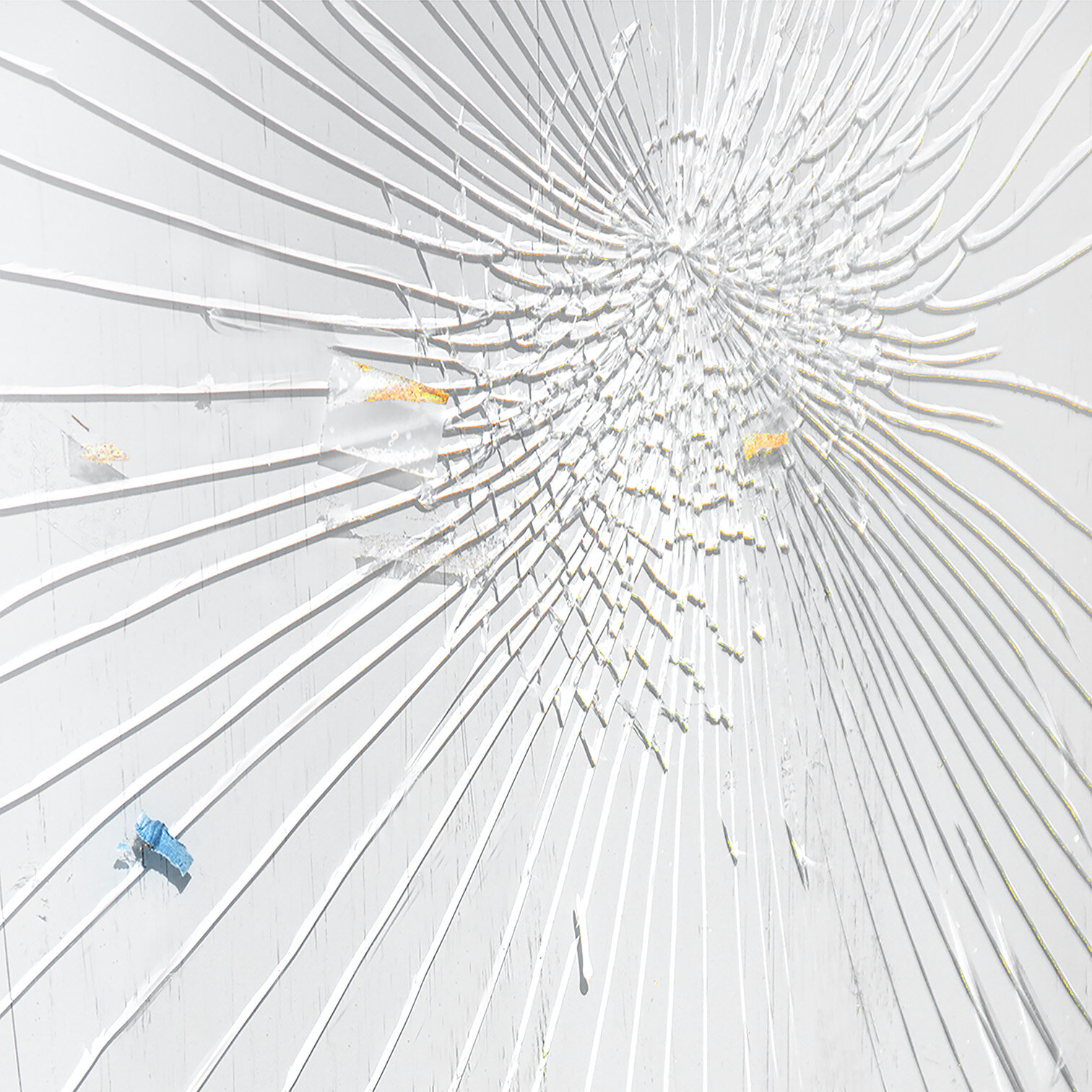
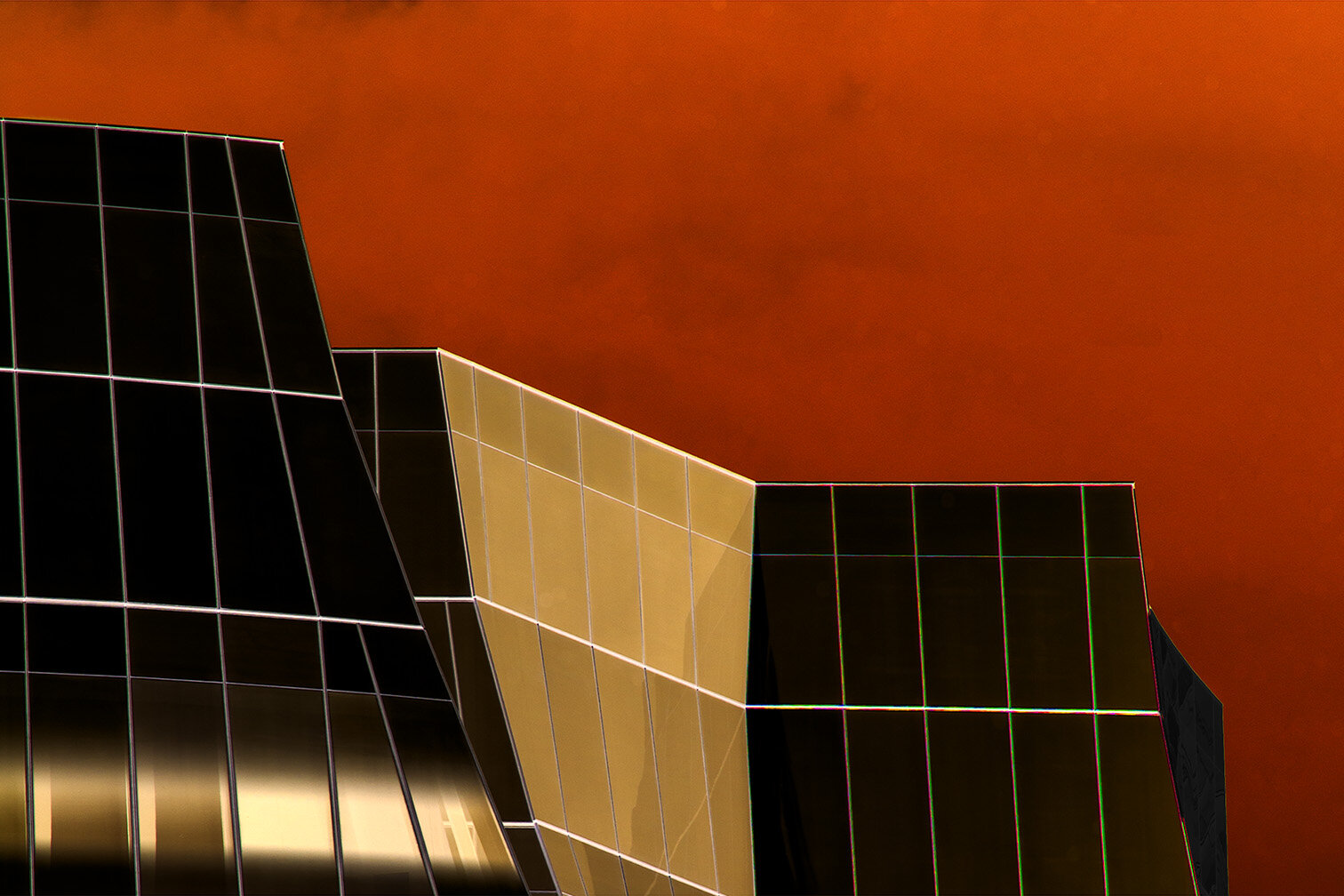
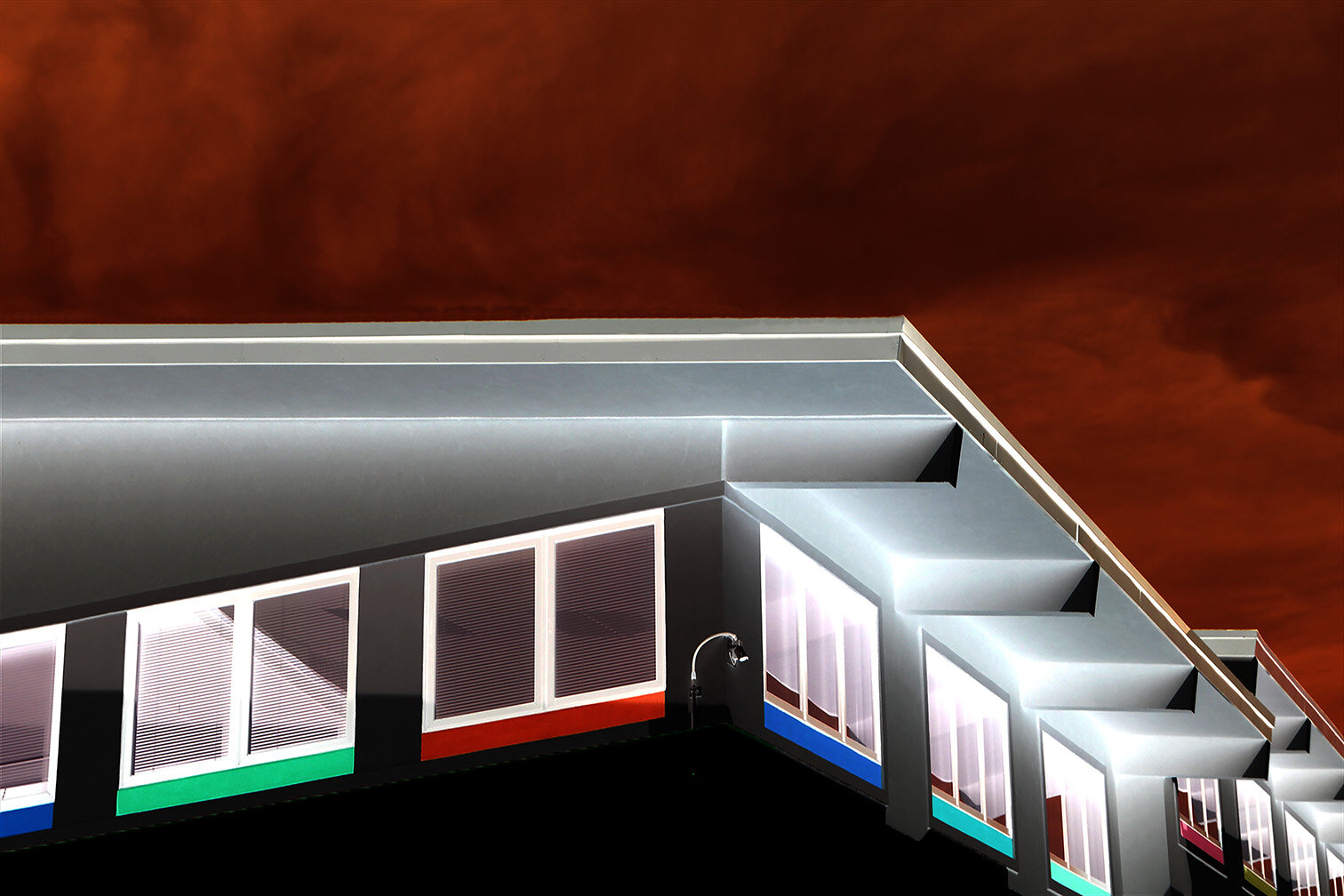
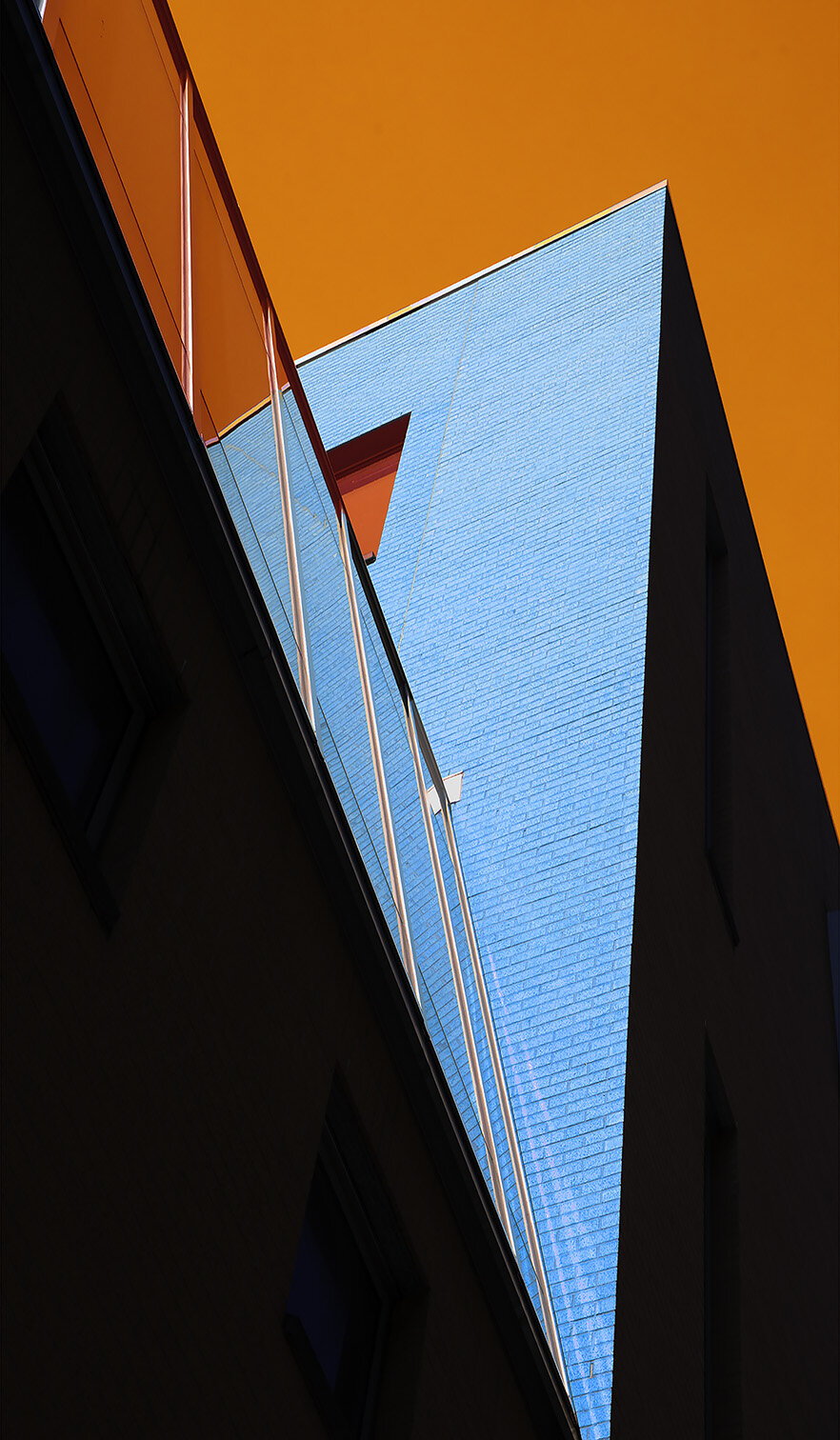
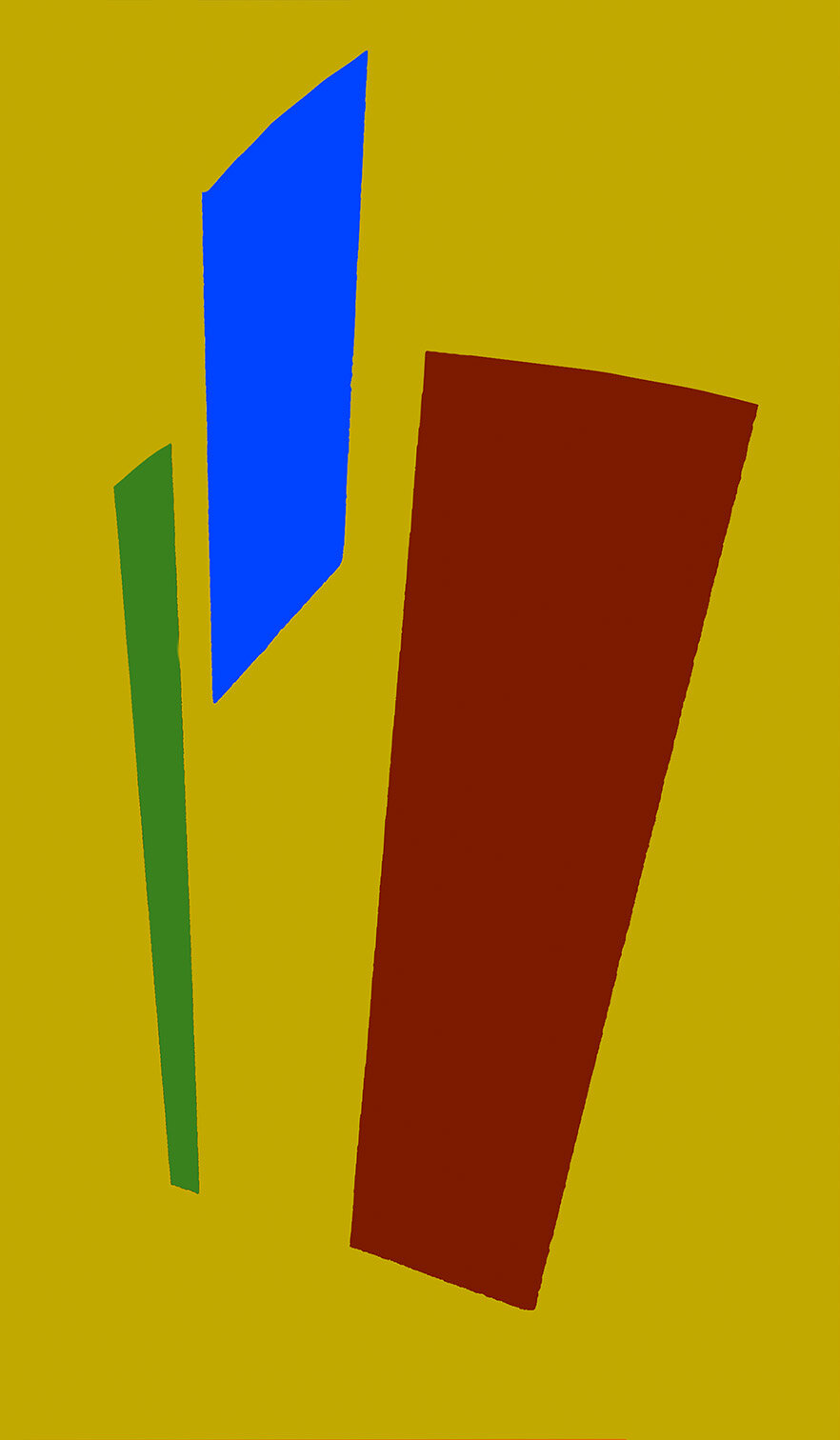
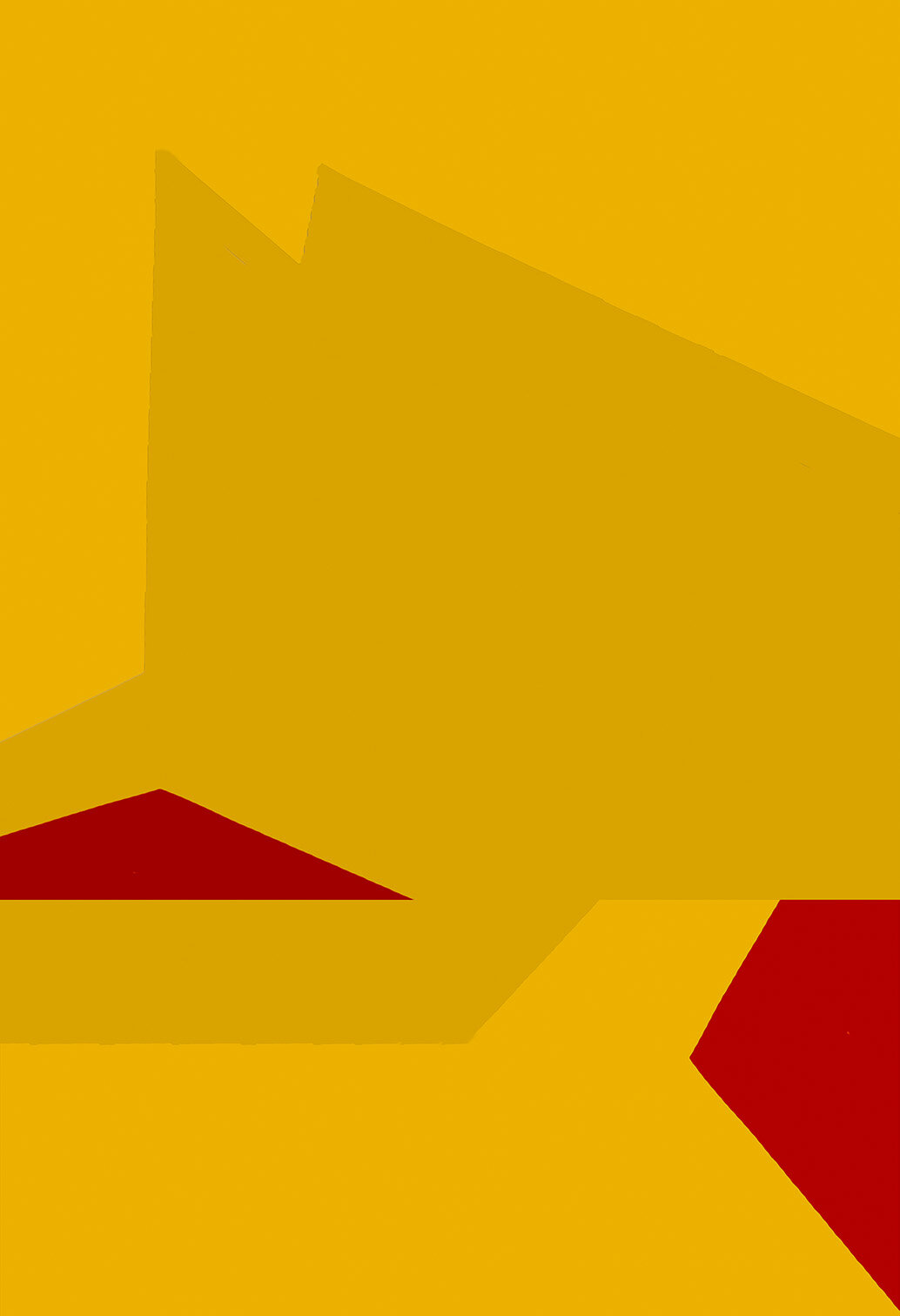
Tom Peterson began as a documentary, street photographer. He devoted himself to photographing local, urban environments. He created visual epic poem, portfolios and books with different themes. Since 2015, Tom has focused on creating unique, abstract images from digital photographs. He has exhibited his work both locally and nationally. Tom’s photographs are in corporate/business collections and homes. He has been a member of City Gallery since 2009.
Website: www.tpeterson45.com